Apple’s AirPods lineup is expected to see significant updates over the next two years, with new models reportedly in development across the entire range. From a higher-end AirPods Pro 3 with camera capabilities arriving this fall to long-awaited refreshes for AirPods Max and the standard AirPods line, here’s what the current reports suggest about Apple’s wireless audio roadmap.
AirPods Pro 3 With Cameras Expected Fall 2026
Despite the current AirPods Pro being Apple’s most recently updated model, reports indicate a new higher-tier version is likely coming later this year. According to supply chain sources, Apple is reportedly planning to launch a second AirPods Pro 3 model with infrared camera technology designed to enable AI-powered features.
The camera-equipped model is expected to be largely similar to the existing AirPods Pro hardware but with the addition of infrared sensors. Pricing for this premium variant is anticipated to land around $299, approximately $50 more than the standard AirPods Pro 3.
This two-tier strategy would mirror Apple’s approach with AirPods 4, which offers both a $129 base model and a $179 version with active noise cancellation. The higher-end positioning suggests Apple is testing whether customers will pay a premium for advanced sensor technology in truly wireless earbuds.
AirPods Max 2 Reportedly Delayed Until 2027
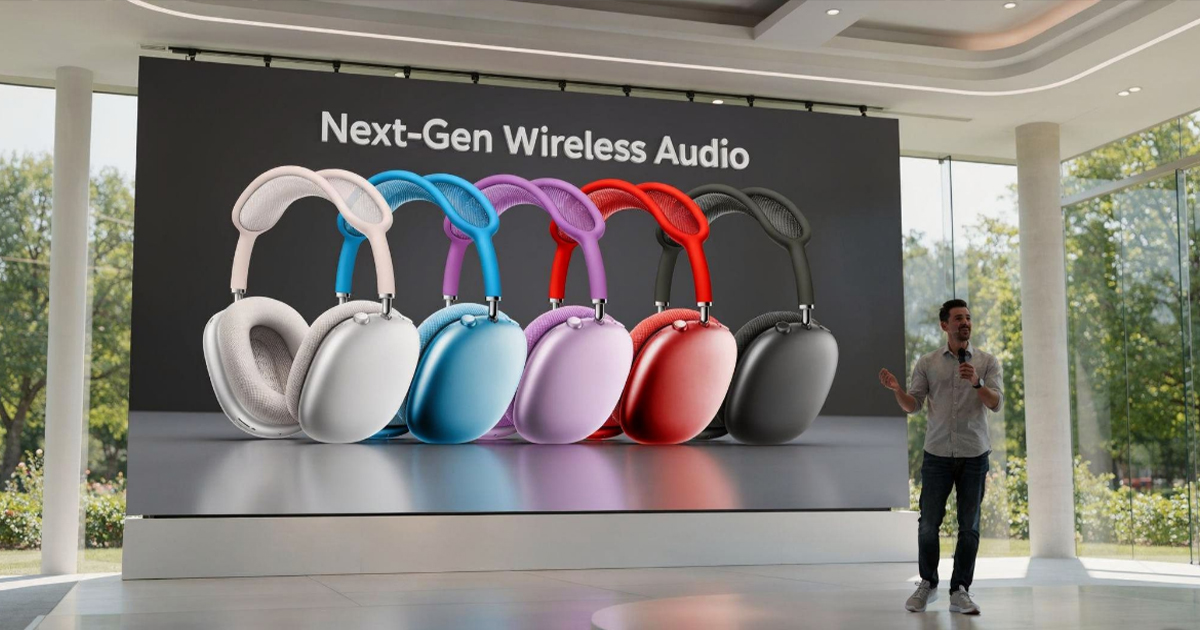
AirPods Max owners hoping for a substantial hardware update will likely need to wait until 2027, according to recent reports. When Apple held its fall 2024 event, many industry watchers expected a true second-generation model to debut. Instead, the company released only a minor refresh featuring USB-C connectivity and new color options.
Current reporting suggests AirPods Max 2 will feature a lighter design compared to the original model. The updated headphones are also expected to include a more modern processor, potentially an H3 chip, though even an H2 chip would enable many features currently exclusive to AirPods Pro and AirPods 4.
Given that the original AirPods Max launched in December 2020, a 2027 release would mark nearly seven years between major hardware revisions. This extended timeline is unusual for Apple’s audio products and may reflect either supply chain challenges or strategic prioritization of other AirPods models.
AirPods 5 Likely Arriving in 2027
Details about the next-generation standard AirPods remain scarce, but Apple’s historical release pattern provides some clues. The company has typically updated its base AirPods model on a three-year cycle, with releases in 2016, 2019, 2021, and 2024. Following this pattern, AirPods 5 would be expected to arrive in 2027.
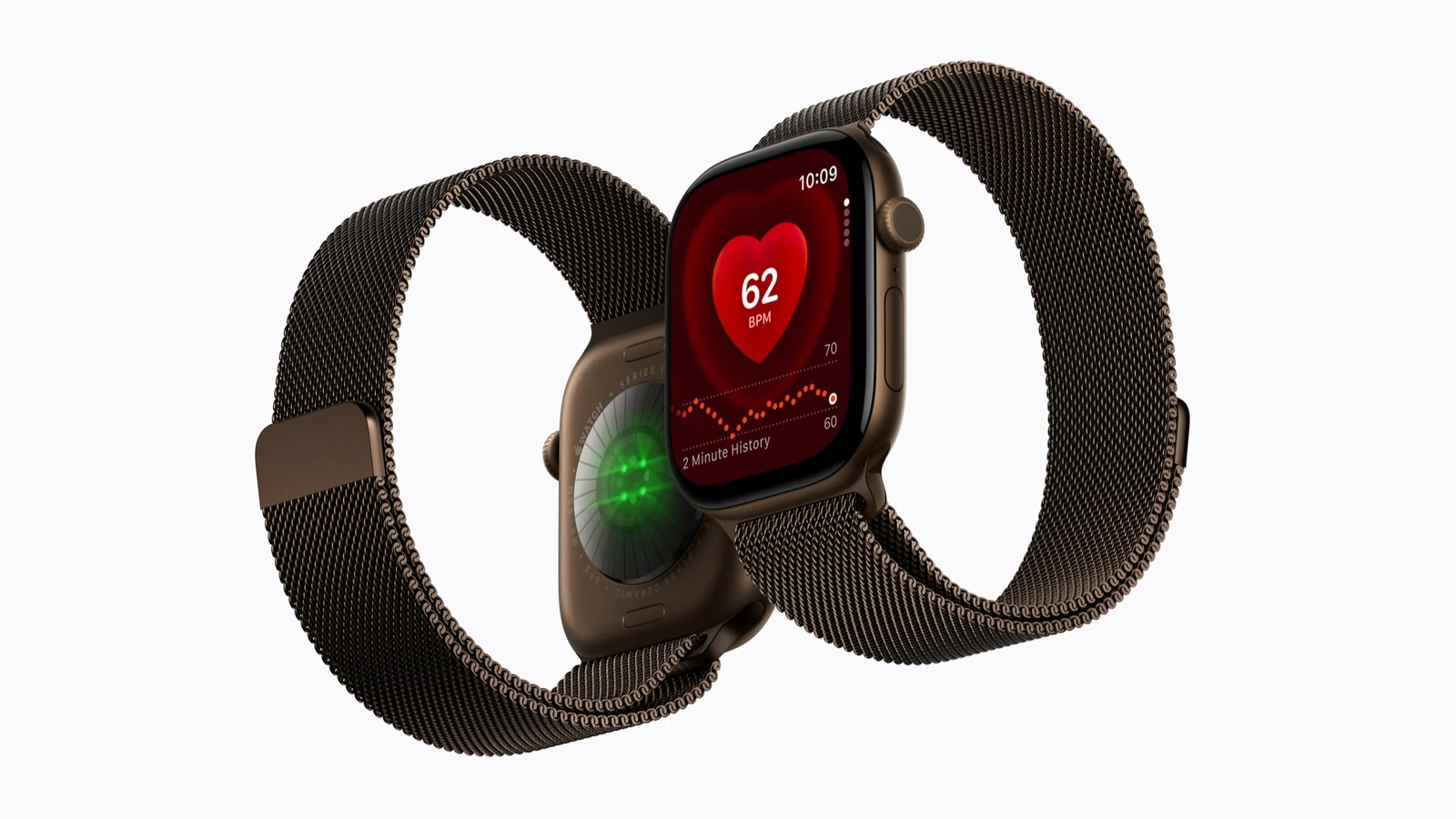
Industry reports indicate Apple is actively developing AirPods 5, with expectations that the model will include an H3 chip and potentially new health features. However, the heart rate sensor reportedly coming to AirPods Pro 3 is not expected to appear in the entry-level AirPods lineup in the near term.
Historical AirPods Release Timeline
- AirPods: 2016
- AirPods 2: 2019
- AirPods 3: 2021
- AirPods 4: 2024
- AirPods 5: 2027 (expected)
This three-year cadence has remained consistent across multiple product generations, suggesting Apple has settled on this timeframe as optimal for balancing component improvements, manufacturing costs, and customer upgrade cycles.
What Apple’s AirPods Strategy Reveals
Apple’s reported plans for its AirPods lineup suggest a deliberate strategy of product segmentation and feature differentiation. By offering multiple tiers within the same product category, the company can address different customer needs while maintaining higher average selling prices.
The camera-equipped AirPods Pro 3 variant represents a test of whether customers will embrace sensor technology in earbuds, potentially paving the way for more advanced spatial computing features. Meanwhile, the extended timeline for AirPods Max 2 may indicate that over-ear headphones represent a smaller priority compared to the higher-volume earbuds market.
For prospective buyers, the reported release schedule suggests that purchasing current AirPods Pro or AirPods 4 models now means a relatively short wait until next-generation options become available. However, those interested in AirPods Max or standard AirPods may want to consider that substantial updates are not expected until 2027.
FAQ
Q: Will the camera-equipped AirPods Pro 3 replace the current model?
A: Based on current reports, the camera version is expected to be offered as a higher-end option alongside the standard AirPods Pro 3, similar to how Apple currently offers two AirPods 4 models at different price points.
Q: Should I wait for AirPods Max 2 or buy the current model?
A: If you need over-ear headphones now, the current USB-C model is a solid option. However, if you can wait until 2027, the next generation is expected to bring meaningful improvements like a lighter design and newer processor.
Q: What new features might the H3 chip enable?
A: While specific H3 chip capabilities have not been confirmed, newer processors in AirPods typically enable improved audio processing, better battery efficiency, enhanced noise cancellation, and support for additional health and fitness tracking features.
MacReview Verdict
Apple’s AirPods roadmap over the next two years shows a company confident in its wireless audio leadership but taking a measured approach to hardware updates. The reported fall 2026 launch of a camera-equipped AirPods Pro 3 variant represents the most immediate and intriguing development, potentially introducing new use cases for truly wireless earbuds.
For AirPods Max and standard AirPods users, the wait until 2027 is longer but likely reflects Apple’s focus on perfecting these updates rather than rushing incremental improvements to market. The three-year cycle for standard AirPods has proven sustainable, while the extended timeline for AirPods Max 2 suggests Apple is working on more substantial changes than the minor 2024 refresh delivered.
As with all pre-release product information, these timelines and features should be considered preliminary until Apple makes official announcements. However, the consistency of reports from supply chain and industry sources suggests these plans reflect Apple’s current development roadmap, even if final specifications and timing may shift before launch.