The short version: Apple Watch Series 12 starts at $399, Apple Watch Ultra 4 starts at $799, both ship Friday, September 18, and pre-orders opened today. Both get a new Health Sensing System. The Health app is being rebuilt around Apple Intelligence with a Longevity tab, the new Apple Watch Health Age metric, at-home movement evaluations, and $119 lab panels through Quest Diagnostics. Sources are Apple’s press releases, linked throughout.
I want to handle this one carefully, and I want to tell you why up front.
Health content is the category where being wrong actually hurts someone. So the rule for this article is simple: I will tell you exactly what Apple claims, exactly what Apple does not claim, and I will not fill the gap between them with my own guesses about what these numbers mean for your body. I am a technology writer with an engineering background. I am not a physician, and neither is your watch.
The hardware: a genuinely new sensor system
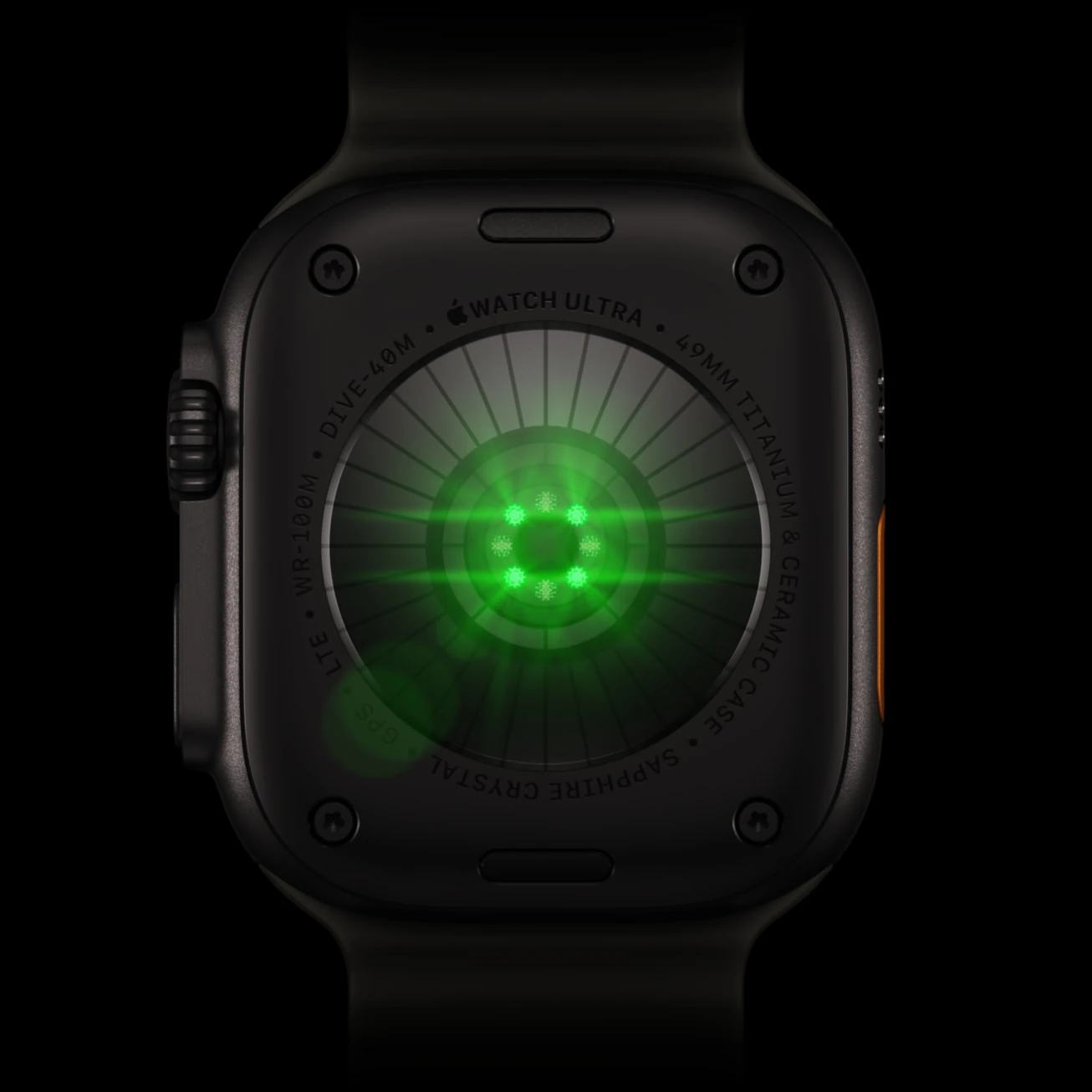
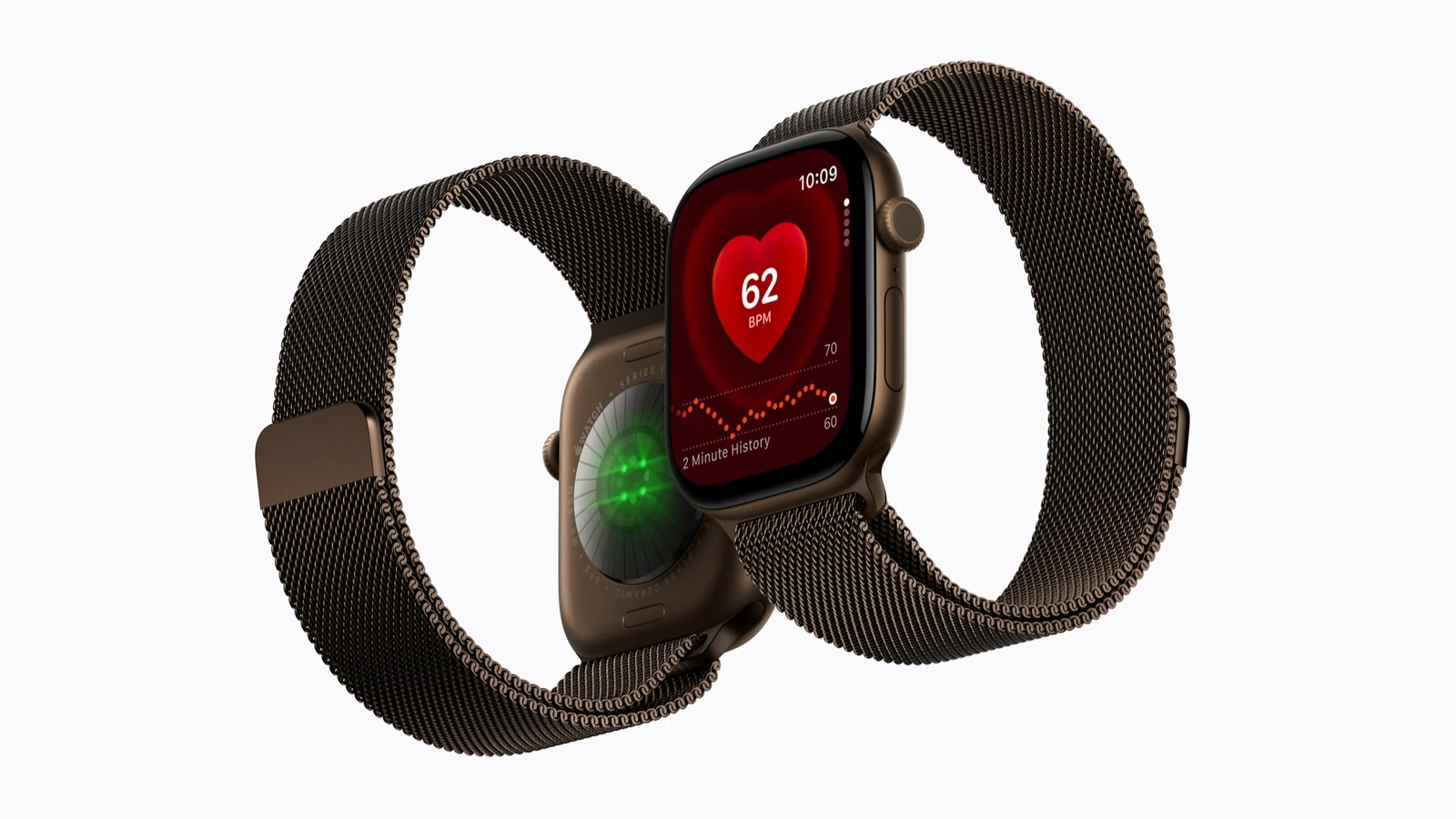
Both Series 12 and Ultra 4 ship with what Apple calls the Health Sensing System: new optical and electrical heart sensors, with larger and more power-efficient green LEDs on the optical sensor.
The sampling change is the real story:
- Heart rate measured every five seconds, all day long
- Heart rate variability measured as often as every five minutes, which Apple describes as 24 times more frequently than before
- Two distinct HRV metrics: Recovery HRV (daily stress and recovery signal) and overall HRV (broader health signal)
Here is why sampling frequency matters more than sensor accuracy in this specific case. HRV is, by definition, a measure of variation between heartbeats. If you sample it a handful of times a day, you are taking a few snapshots of something that changes continuously, and your daily number is heavily dependent on when you happened to sample. Going to every five minutes does not just give you more data points. It changes the statistic from a snapshot to something closer to a real distribution.
Whether Apple’s algorithm makes good use of that is a separate question, and one that will take independent researchers months to evaluate.
Apple also says Series 12 has the most accurate step tracking of any smartwatch, via a redesigned pedometer model. That is a marketing superlative and I have no way to verify it today.
The readiness score
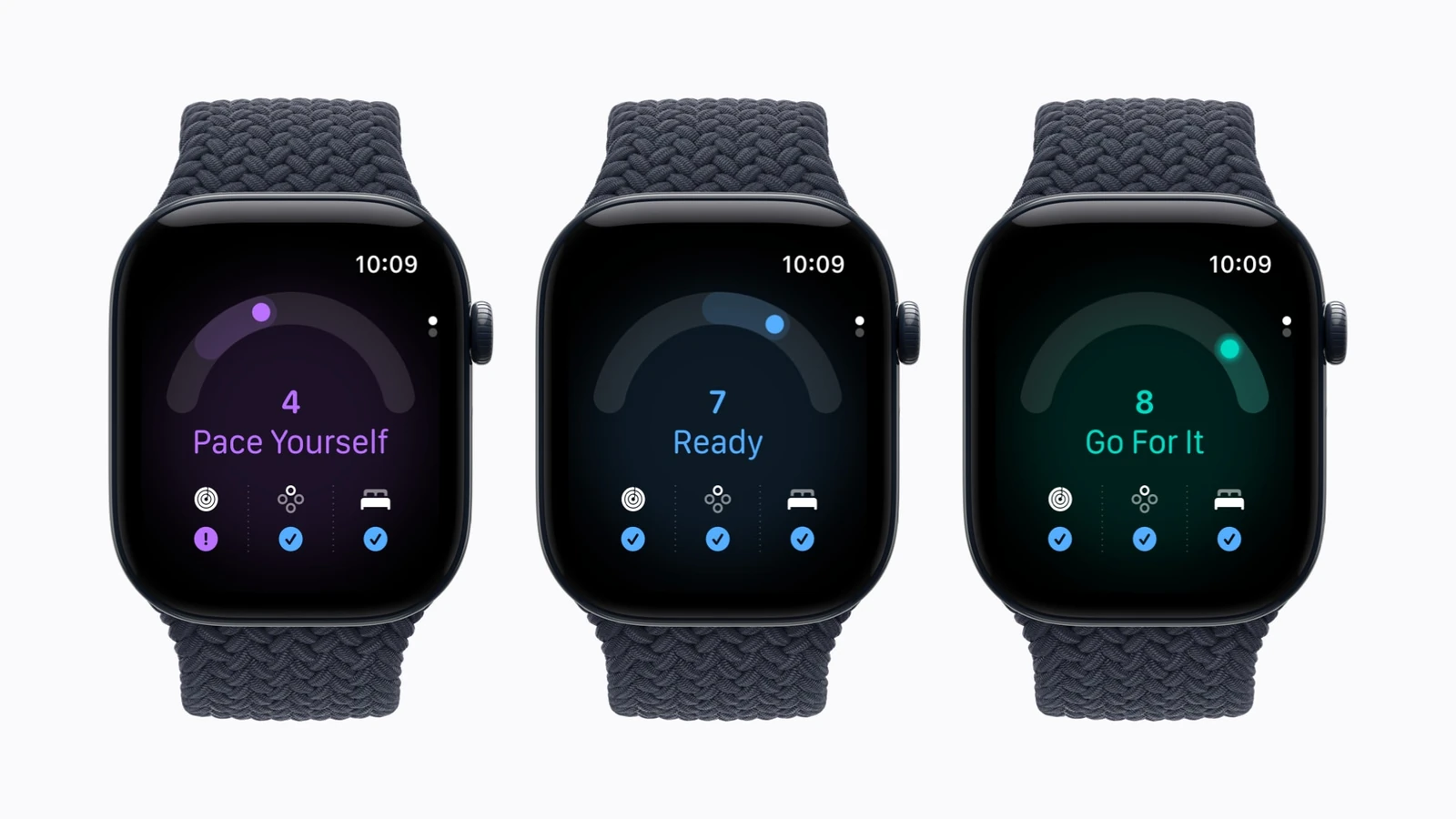
New on both watches: a daily score from 0 to 10, analyzing recent activity, training load, vitals, and sleep. It updates through the day and resolves into one of four recommendations: Recover, Pace Yourself, Ready, or Go For It.
Apple says the algorithm was developed using data from the Apple Heart and Movement Study. That is a meaningful provenance claim, since it is a large longitudinal study Apple runs with Brigham and Women’s Hospital and the American Heart Association, rather than an algorithm tuned on a few hundred employees.
Oura, Whoop, and Garmin have all shipped a version of this. Apple arriving late to readiness scoring is not a knock, because the interesting variable was never the concept. It is whether the underlying sensor data is good enough to make the score mean anything, and Apple just materially upgraded the sensor data.
Vitals, day and night
The Vitals app now shows a daytime view alongside the overnight view, and Recovery HRV is analyzed against your personal baseline rather than a population average. The personal-baseline approach is the correct one. Resting heart rate that is alarming for one person is a Tuesday for another.
Audio Intelligence
Series 12 adds Sound Recognition, Live Rewind, Siri Recap, and Shazam detection, processed in a new hardware compartment Apple calls a Secure Exclave. On Ultra 4, Apple says these features arrive later in 2026.
A dedicated isolated hardware block for always-listening audio is the right architecture. It means the audio processing happens in a compartment that is walled off from the main application processor, which is how you build an always-on microphone feature that a privacy-conscious person can live with.
Series 12 versus Ultra 4: the actual differences
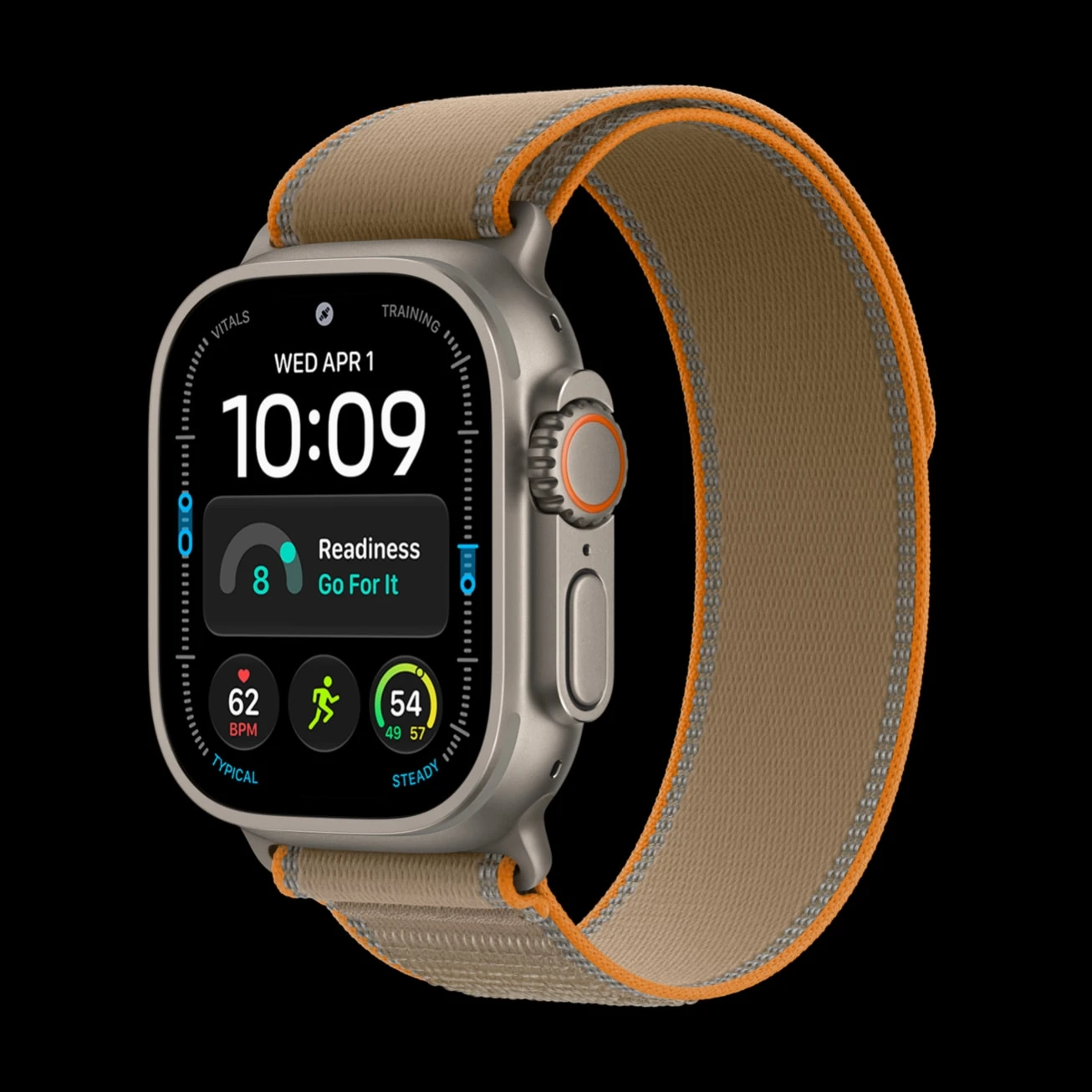
Both run the S11 chip and watchOS 27. Both have the identical Health Sensing System. Here is where they diverge.
Apple Watch Series 12
- Battery: up to 24 hours everyday use. Up to 10 hours outdoor workout, a 25% improvement. 15 minutes of charging gives up to 12 hours, a 50% improvement.
- Sizes: 42mm and 46mm
- Aluminum: dark bronze, black, light gold, space gray
- Titanium: radiant gold, natural titanium
- Ceramic: pearl white, night blue
- Ceramic Shield 2 on the aluminum models, which Apple says is 60% tougher than Ion-X
- Price: starts at $399, or $11.99 per month for 24 months
Ceramic as a case material returning to the lineup is the surprise. Apple sold ceramic Apple Watches years ago and quietly dropped them. It is scratch-resistant, it is heavy, it is expensive, and it shatters differently than metal. Its return alongside titanium suggests Apple is segmenting this line by material more aggressively than before.
Apple Watch Ultra 4
- Battery: more than two days, up to 50 hours everyday use. Up to 84 hours in Low Power Mode. Up to 25 hours in Extended Workout mode, up to 45 hours in Max Extended Workout. 15 minutes of charging adds up to 18 hours.
- Natural and black titanium
- Apple says it has the most accurate on-device GPS in a sports watch
- Satellite communications: Emergency SOS, Find My, and Messages via satellite
- ECG app and heart health notifications
- Price: starts at $799, Apple Upgrade from $24.99 per month
Kaiann Drance, Apple’s VP of Worldwide Apple Watch Product Marketing, on the Ultra 4: “The new Health Sensing System and S11 chip take Apple Watch Ultra 4, our most rugged and capable Apple Watch, to the next level, delivering longer battery life, faster charging, and the most accurate heart rate sensing in a wearable.”
The honest buying guidance: the $400 gap between Series 12 and Ultra 4 buys you battery life, satellite messaging, and GPS accuracy. It does not buy you better health sensing, because the sensor system is the same. If you are buying an Apple Watch primarily for health tracking, the $399 model has the same sensors as the $799 model. Nobody selling you a watch is going to lead with that.
The Health app rebuild
This is the part I find most interesting, and the part with the most caveats. Apple is rebuilding the Health app around Apple Intelligence.
Insights tab
Summaries that update through the day across heart, sleep, readiness, fitness, vitals, and cycle tracking, plus a “For You” section with personalized recommendations and articles.
Longevity tab and Apple Watch Health Age
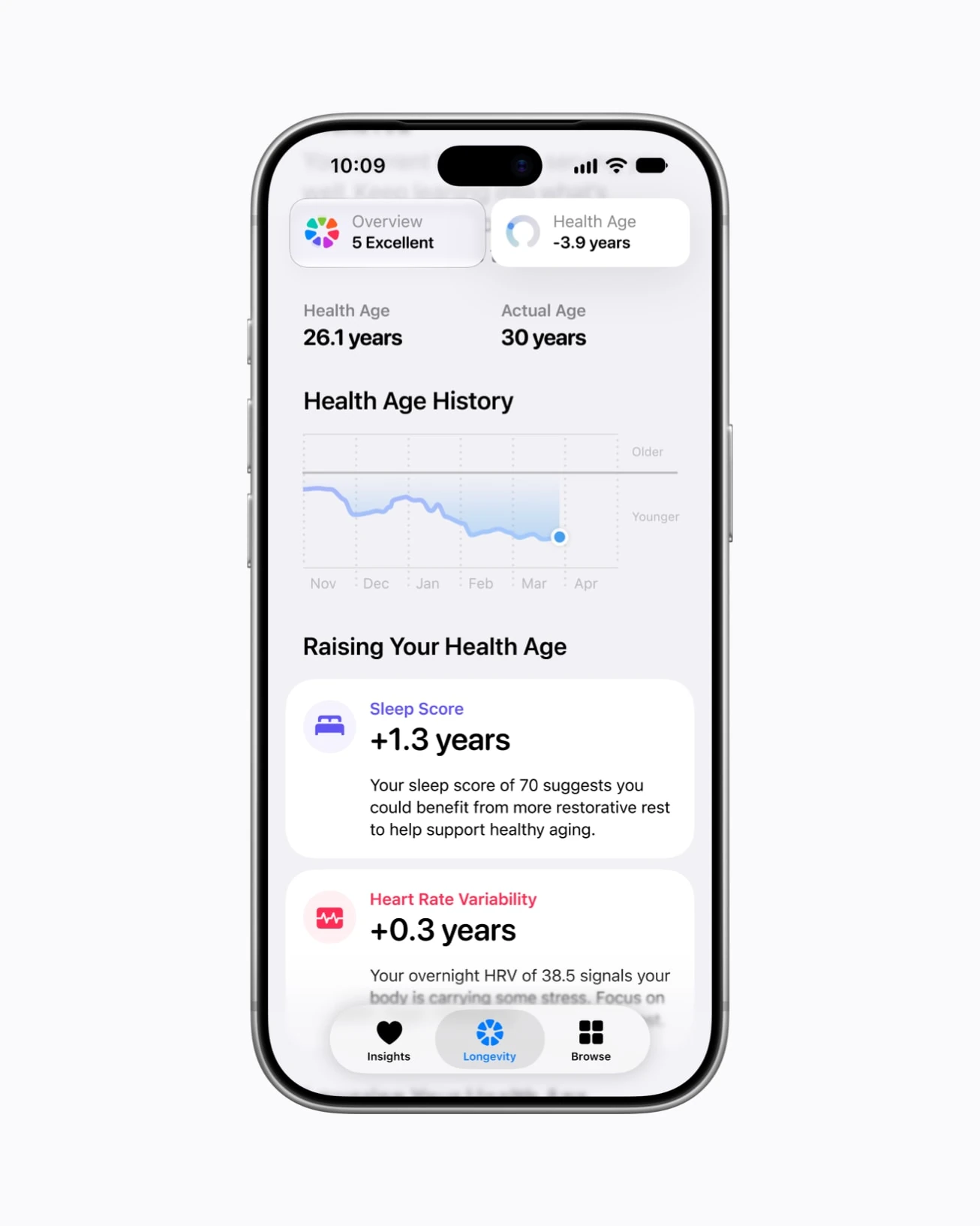
This analyzes longitudinal data across heart health, sleep, mental wellbeing, movement health, metabolic health, hearing, and nutrition. The headline metric is Health Age, which shows your metrics relative to your chronological age, factoring in VO2 max, resting heart rate, sleep, HRV, and lab data including A1c and LDL.
Let me be precise about what this is, because “Health Age” is going to be the most screenshotted number in the App Store by Christmas and the most misunderstood.
A composite age metric is a way of expressing where your measurements sit in a population distribution. If your VO2 max and resting heart rate look like the average 38-year-old’s and you are 47, the number says 38. It is a communication device, and a genuinely effective one, because “your Health Age is 54” motivates behavior change in a way that “your VO2 max is 34.2 mL/kg/min” never will.
What it is not: a prediction about your lifespan, a diagnosis, or a clinical measurement. Apple has not published the methodology behind Health Age, has not stated which population norms it is scored against, and has not published peer-reviewed validation. Until that exists, treat the number as a well-designed motivational dashboard, not a medical result. If it moves in a direction that worries you, the correct next step is a physician, not a forum post.
Movement Evaluations
At-home physical assessments measuring flexibility, strength, balance, movement mechanics, and VO2 max, using the iPhone camera plus Apple Watch, with real-time audio and visual feedback.
Apple’s privacy claim here is specific and worth quoting: it “runs entirely on-device with no video recording or storage.” That is the correct architecture for pointing a camera at yourself in your living room, and it is a claim security researchers will be able to verify with network analysis.
Balance and movement-mechanics screening is, in a clinical setting, a legitimate fall-risk and mobility assessment. Doing a version of it at home for free is meaningfully useful, particularly for older users. It is also the feature most likely to produce false reassurance, so read the next section carefully.
Labs, through Quest Diagnostics
You can now schedule and purchase lab work in the Health app: over 50 key biomarkers for $119, at approximately 2,000 Quest Diagnostics locations in the U.S.
This is the single biggest structural change Apple announced today and almost nobody is going to cover it as such. Apple is now a distribution channel for actual blood work. A $119 panel with 50-plus biomarkers is competitive with the direct-to-consumer lab market and dramatically cheaper than the same panel billed through most insurance deductibles.
It also means Apple’s Health Age metric gets to ingest real serum data (A1c, LDL) rather than inferring everything from a wrist sensor, which makes the composite far more defensible. Strategically, that is the move: own the sensor, own the app, and now own the lab pipeline that validates both.
Perimenopause and menopause tracking
Users can log perimenopause or menopause status and track symptoms over time. Users 40 and older receive notifications if cycle deviations suggest perimenopause, and notifications if bleeding is logged after menopause.
That second notification is clinically significant. Postmenopausal bleeding is something physicians want evaluated. Apple building a prompt around it is a genuinely responsible piece of product design.
Fitness odds and ends
- Workout Buddy now runs on Apple Watch without an iPhone, in English and Spanish, though it requires a paired Apple Intelligence iPhone
- Expanded GymKit lets AirPods Pro 3 users sync heart rate with compatible gym equipment
- Improved treadmill distance calculations using new machine learning models
What Apple is careful not to claim, and you should be too
This is the section I care most about in this article.
Apple’s own disclaimer language in today’s release: “The Vitals app is for wellness purposes only and not for medical use.” And separately: “Cycle Tracking should not be used as a form of birth control.”
There is no FDA clearance language anywhere in the Series 12 announcement for the new Health Sensing System features. That is not an accusation, it is an observation, and it is an important one. Apple has pursued FDA clearance for specific features before, notably the ECG app and AFib History. The absence of that language around readiness, Health Age, and the new HRV metrics tells you these are positioned as wellness features, not medical devices.
Practically, for you:
- A readiness score of 3 is not a diagnosis. It is a suggestion to take it easy.
- A Health Age you like is not a clean bill of health, and it is not a reason to skip a physical.
- A Health Age you dislike is not a prognosis, and panicking about it is not a plan.
- None of this replaces a doctor, and Apple explicitly says so.
I would rather be the site that says that clearly than the site that gets the affiliate click.
Compatibility and dates
- watchOS 27 arrives Monday, September 14, supporting Apple Watch Series 9 or later, Apple Watch SE 3, and Apple Watch Ultra 2 or later. It requires an iPhone 11 or later, or iPhone SE 3, running iOS 27.
- The redesigned Health app arrives “later this year,” starting in U.S. English with more languages to follow. It requires an Apple Intelligence-enabled iPhone or iPad. Health Age requires an Apple Watch. The VO2 max test requires an Apple Watch, AirPods Pro 3, or a third-party heart rate device. Some features require users to be 18 or older.
- Series 12 and Ultra 4: pre-orders opened today, September 9. In stores Friday, September 18.
Note that “later this year” is doing real work in that list. The watches ship September 18. The Health app rebuild that justifies half of the sensor upgrade does not have a firm date. If you are buying Series 12 specifically for Health Age and Movement Evaluations, you are buying hardware today for software that arrives at an unspecified point before December 31.
Sumbul Desai, M.D., Apple’s VP of Health and Fitness, framed it this way: “By combining breakthrough sensing on Apple Watch with Apple Intelligence in the Health app, we’re able to translate complex biometric data into clear guidance for users.”
What we will test
MacReview has not received a Series 12 or Ultra 4 review unit and has done no hands-on testing. When units arrive, the tests worth running: HRV output versus a chest-strap reference over multiple nights, readiness score behavior after a deliberately terrible night of sleep, real battery life on Ultra 4 under GPS load, and whether Movement Evaluations produce consistent results across repeated same-day attempts. A wellness metric that swings 20% when nothing about you changed is a metric you cannot act on.
I will update this article when the Health app rebuild ships and when Apple publishes methodology for Health Age.
Sources: “Introducing Apple Watch Series 12, with the all-new Health Sensing System”, “Apple unveils Apple Watch Ultra 4”, and “Apple advances health and fitness capabilities using Apple Intelligence” (Apple Newsroom, September 9, 2026). Product images credited to Apple Inc. MacReview is not affiliated with Apple Inc.
Medical disclaimer: This article is technology journalism, not medical advice. MacReview’s editorial staff are not medical professionals. Apple states that the Vitals app is for wellness purposes only and not for medical use, and that Cycle Tracking should not be used as a form of birth control. Nothing described here is a substitute for consultation with a qualified healthcare provider. If a health metric on any device concerns you, speak with your physician.
Disclosure: MacReview has not received Apple Watch Series 12 or Ultra 4 review units and has performed no hands-on testing. This article contains no affiliate links.
Last updated: September 9, 2026.