Apple’s next major software update, iOS 27, is reportedly taking a different approach than recent releases. After years of major redesigns and the introduction of Apple Intelligence, the company is expected to focus on stability improvements and performance refinements while preparing the platform for new hardware and AI capabilities. Here’s what we know about the features, timeline, and direction of iOS 27.
Expected Announcement and Release Timeline
Following Apple’s established pattern, iOS 27 is expected to be announced at the Worldwide Developers Conference in June 2026. Apple has consistently held WWDC during the first two weeks of June over the past several years, with the 2025 event taking place June 9-13.
The announcement will likely be followed by a developer beta release immediately after the keynote, with a public beta program opening in July 2026. Based on Apple’s release history, the final version of iOS 27 should arrive in mid-September 2026, likely on the third Monday of the month.
Recent iOS Release Pattern
Apple has maintained a consistent release schedule for major iOS updates:
- iOS 26: September 15, 2025
- iOS 18: September 16, 2024
- iOS 17: September 18, 2023
- iOS 16: September 12, 2022
Reported Focus on Quality and Performance
According to industry reports, Apple’s primary objective with iOS 27 is improving quality and underlying performance rather than introducing sweeping visual changes. This represents a strategic shift after consecutive years of substantial updates, including Apple Intelligence in iOS 18 and the reported Liquid Glass redesign in iOS 26.
Apple’s engineering teams are reportedly conducting comprehensive reviews of the operating system to identify unnecessary code, resolve persistent bugs, and discover opportunities for meaningful performance improvements. This approach mirrors Apple’s historical pattern of occasionally pausing major feature development to strengthen the foundation of its platforms.
Foldable iPhone Optimization
A significant component of iOS 27 development is reportedly preparing the platform for Apple’s first foldable iPhone, expected to launch in September 2026. The device is rumored to feature an approximately 7.8-inch inner display and a 5.5-inch outer display, requiring substantial software adaptations.
While specific features haven’t been detailed, iOS 27 will likely need to accommodate this new form factor with enhanced multitasking capabilities, improved window management, and interface elements designed for the larger unfolded screen. Apple has historically introduced significant software features alongside new hardware form factors, suggesting iOS 27 may include capabilities specifically showcased on the foldable device.
Apple Intelligence Enhancements
Despite the stability focus, iOS 27 is expected to include several new Apple Intelligence features across different system areas.
AI-Powered Health Platform
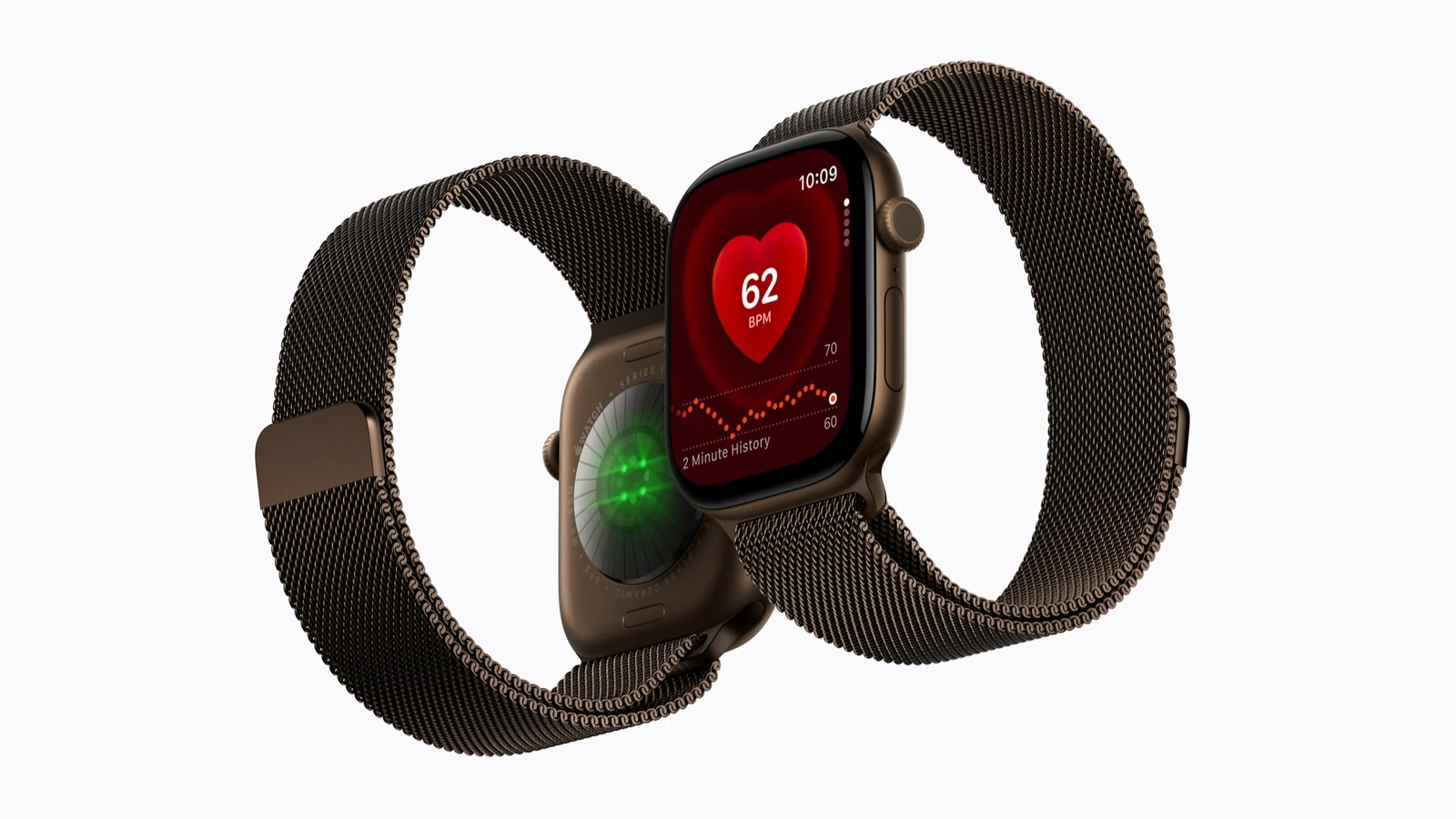
Apple is reportedly developing an AI-powered platform for the Health app that would leverage data collected from iPhone and Apple Watch to provide personalized health insights. The system would analyze existing health metrics to offer users more meaningful interpretations of their data, potentially including explanatory videos about health trends and patterns.
Web Search Capabilities
Work is reportedly continuing on Apple’s AI-powered web search platform, internally known as World Knowledge Answers. This feature would compete with AI search capabilities from services like Perplexity, providing intelligent answers to web-based queries directly within Apple’s ecosystem.
Gemini Integration
Apple has reportedly finalized an agreement with Google to utilize Gemini models for enhanced Siri and Apple Intelligence features. Expected implementations include:
- Siri’s ability to recall and reference previous conversations
- Proactive suggestions based on calendar events and real-time conditions, such as traffic alerts before scheduled appointments
Redesigned Siri Interface
Reports suggest Apple is developing a new visual identity for Siri designed to make the assistant feel more lifelike and engaging. Testing has reportedly included designs resembling an animated version of the Finder logo as well as concepts inspired by Memoji characters. The specific design direction Apple will choose remains unconfirmed.
Calendar App Overhaul
Apple is reportedly working on a significant redesign of the Calendar app planned for release across all platforms with iOS 27 and macOS 27. The update was originally scheduled for earlier release but has been delayed. No specific details about new features or interface changes have been reported.
Additional Rumored Features
References discovered in leaked code suggest iOS 27 may include a new pairing system for AirPods and improved collections functionality within the Photos app. However, details remain scarce, and these features may be modified or removed before the final release.
FAQ
Q: When will iOS 27 be available to the public?
A: iOS 27 is expected to be released in mid-September 2026, following Apple’s established pattern of releasing major iOS updates on Mondays during the third week of September.
Q: Which iPhones will support iOS 27?
A: Apple has not announced device compatibility for iOS 27. Compatibility information typically becomes available when the update is announced at WWDC in June.
Q: Will iOS 27 include major visual changes?
A: Reports suggest iOS 27 will focus primarily on stability and performance improvements rather than major visual redesigns, representing a pause after recent significant interface changes in previous iOS versions.
Q: Can I test iOS 27 before the public release?
A: Apple typically releases a public beta program in July, approximately one month after the developer beta becomes available at WWDC. Public beta participants can test pre-release software and provide feedback to Apple before the September launch.
MacReview Verdict
iOS 27 appears to represent a strategic recalibration for Apple’s mobile platform. The reported emphasis on stability and performance improvements is a sensible approach after several years of substantial feature additions and interface changes. However, the simultaneous goals of bug fixes, foldable device optimization, and continued Apple Intelligence development present a challenging balancing act.
Apple’s historical “refinement year” updates have generally been well-received by users who prioritize reliability over new features. If the company can successfully deliver meaningful performance improvements while preparing iOS for a fundamentally new iPhone form factor, iOS 27 could establish a stronger foundation for future innovation. The success of this approach will likely depend on whether Apple can resist the temptation to overcommit on new features while maintaining its stability objectives.
As with all pre-release information, plans may change substantially between now and the June announcement. We’ll continue monitoring developments as WWDC approaches.