Apple’s iOS 26 represents a watershed moment in mobile operating system design. This isn’t just another annual refresh packed with incremental improvements—it’s a fundamental reimagining of how iPhones look, function, and think. The introduction of the “Liquid Glass” design language, combined with expanded Apple Intelligence capabilities, signals that Apple is doubling down on personalization and on-device AI.
Whether you’re considering upgrading, wondering if your iPhone is compatible, or simply curious about what makes iOS 26 a significant leap forward, this comprehensive guide covers everything you need to know. We’ve tested the update across multiple devices and compiled the information you’ll need to make informed decisions about installation and usage.
What Is iOS 26? Understanding the Update
iOS 26 marks a departure from Apple’s typical iterative approach. Rather than layering new features onto existing infrastructure, Apple has rebuilt core architectural elements while introducing a cohesive new visual identity.
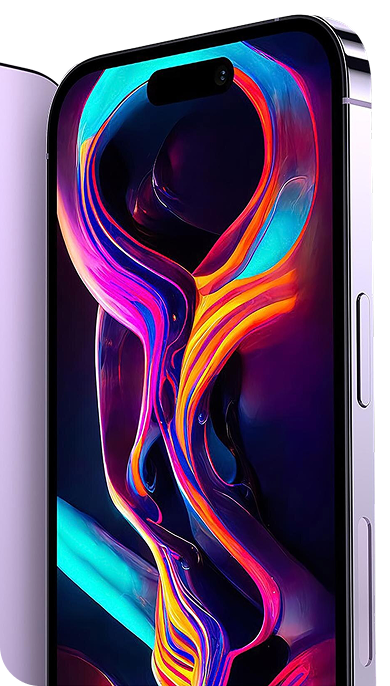
The “Liquid Glass” aesthetic is the most visible change—UI elements throughout the system now feature translucent, floating designs that create depth and visual interest. But the real power lies beneath: Apple Intelligence, the company’s on-device AI system, has been significantly expanded to make Siri smarter, communication tools more capable, and personalization options virtually limitless.
The key philosophy behind iOS 26 is putting users in control. From customizing every aspect of the Control Center to generating unique emojis through simple text descriptions, iOS 26 assumes you know what you want from your iPhone and removes the barriers to getting it.
Major iOS 26 Features: What’s New and Why It Matters
1. The Redesigned Control Center: Now Fully Customizable
For years, iOS users have complained about Control Center’s rigidity. iOS 26 finally addresses this with a complete overhaul.
What’s Changed:
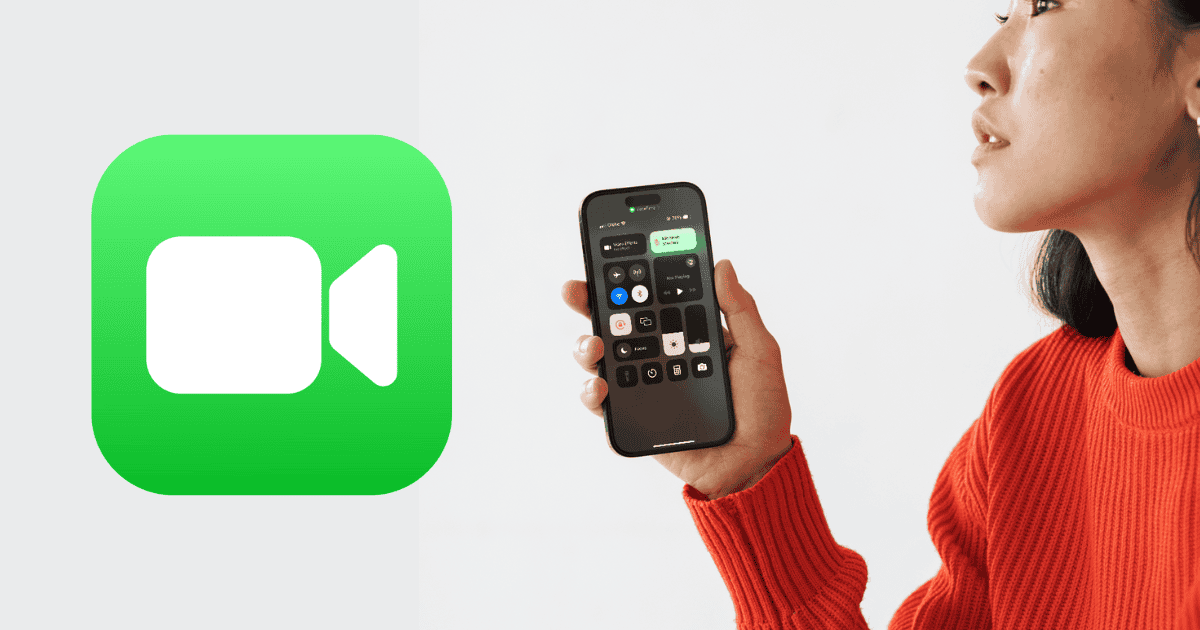
The Control Center now operates as a multi-page, fully customizable hub organized into logical sections like Favorites, Media, Home, and Connectivity. Instead of hunting through Settings to adjust your layout, you can now drag, resize, and reorganize controls directly from Control Center itself.
Practical Benefits:
- Universal Resizing: Expand the Media Player to display album artwork, or shrink the Wi-Fi card to save space
- Third-Party Integration: Developers can now create deep, actionable controls. Preheat your oven, start your car, or control complex smart home systems directly from Control Center
- Reduced Settings Friction: What once required navigation through multiple Settings menus now happens in seconds
This single feature alone justifies upgrading for power users and anyone frustrated with iOS’s historical lack of customization.
2. Apple Intelligence Expansion: Genmoji and Live Translation
Apple Intelligence—the system’s on-device AI capabilities—has evolved significantly in iOS 26.
Genmoji: AI-Generated Custom Emojis
Genmoji lets you describe an emoji and watch iOS generate a unique, ready-to-use version. Want a “dinosaur wearing sunglasses riding a skateboard”? Type it, and within seconds you have a custom emoji integrated into Messages, Mail, and other apps. This isn’t just a novelty; it adds genuine expressiveness to digital communication.
System-Wide Live Translation
Live Translation now extends across all native communication apps:
- Messages: Real-time translation of incoming texts
- FaceTime: Live captions instantly translate spoken words
- Phone Calls: A spoken translation layer that bridges language gaps in real-time conversations
For international users and multilingual households, this represents a significant quality-of-life improvement.
3. Visual Personalization: Making Your iPhone Truly Yours
iOS 26 gives you unprecedented control over your iPhone’s appearance.
Tintable Icons: Apply a system-wide tint to all app icons. Match them to your wallpaper, Lock Screen, or even your physical iPhone case color. This unified aesthetic makes your home screen feel intentionally designed rather than like a default arrangement.
Dynamic Lock Screen: The time and date now intelligently layer behind your Lock Screen photo, detecting the photo’s subject and creating a striking 3D spatial effect. It’s a subtle touch that enhances visual appeal considerably.
Visual Intelligence via Screenshot: The existing Visual Lookup feature has been extended system-wide. Screenshot a recipe, and iOS recognizes ingredients, suggests similar dishes, and can add items to your Reminders app automatically. This bridges the gap between seeing something and acting on it.
iOS 26 Compatibility: Which iPhones Support the Update?
This is the question we hear most frequently. iOS 26 represents a notable shift in Apple’s support strategy—several popular older models have been excluded due to hardware requirements.
Compatibility Chart
| iPhone Model | Chip | iOS 26 Support | Notes |
|---|---|---|---|
| iPhone 17 Series | A20 Pro / A20 | ✅ Fully Supported | All features enabled |
| iPhone 16 Series | A19 Pro / A19 | ✅ Fully Supported | All features enabled |
| iPhone 15 Series | A18 Pro / A18 | ✅ Fully Supported | All features enabled |
| iPhone 14 Series | A17 Pro / A17 | ✅ Fully Supported | All features enabled |
| iPhone 13 Series | A16 Bionic | ✅ Fully Supported | Full compatibility |
| iPhone 12 Series | A15 Bionic | ✅ Fully Supported | Baseline for full features |
| iPhone SE (3rd Gen) | A15 Bionic | ✅ Fully Supported | Full compatibility |
| iPhone 11 Series | A14 Bionic | ❌ Not Supported | Capped at iOS 25 |
| iPhone SE (2nd Gen) | A13 Bionic | ❌ Not Supported | Capped at iOS 25 |
Why These Limitations?
The A15 Bionic chip serves as the minimum threshold. The Liquid Glass rendering engine and expanded Apple Intelligence features—particularly the Neural Engine demands—require either the A15 or newer. Older devices simply lack the processing power to handle these capabilities reliably.
Important Note: If your device isn’t compatible with iOS 26, don’t panic. Apple continues releasing critical security patches for iOS 25, ensuring your device remains secure for at least another year or two.
How to Download and Install iOS 26
Ready to upgrade? Follow this comprehensive guide to ensure a smooth installation.
Pre-Installation Checklist
Before starting the update process, complete these essential steps:
1. Back Up Your iPhone (Critical) Connect your iPhone to a Mac or PC and create a full backup using Finder or iTunes. Alternatively, verify that a recent iCloud backup exists. This is non-negotiable—it protects against data loss.
2. Verify Storage Space Navigate to Settings > General > iPhone Storage and confirm you have at least 15GB of free space. The iOS 26 installation process requires ample temporary storage for unpacking and verification.
3. Charge Your Device Your iPhone should have at least 50% battery, or ideally be plugged into power throughout the update process. A mid-update power loss can create problems.
Step-by-Step Installation
- Open Settings: Tap the grey gear icon on your home screen
- Navigate to Software Update: Tap General, then select Software Update
- Locate the Update: Your iPhone automatically checks Apple’s servers; the iOS 26 banner should appear at the top
- Initiate Download: Tap “Download and Install”
- Agree to Terms: Review and accept the Terms and Conditions, then enter your device Passcode
- Wait for Installation: Download time varies based on internet speed; installation (including reboot) typically takes 15–45 minutes
Your iPhone will restart during installation—this is normal. Don’t interrupt the process or disconnect power.
iOS 26 Performance and Battery Life: What to Expect
A major update naturally raises questions about speed and efficiency. Here’s what our testing revealed.
Performance: Speed Where It Matters
For compatible devices (iPhone 12 and newer), iOS 26 performs remarkably well. The Liquid Glass aesthetic renders efficiently on A15 and newer chips, delivering smooth 120Hz scrolling and fast app launches.
Memory management has improved significantly—apps remain alive in the background longer, reducing reload times during multitasking. Even the iPhone 12, the baseline supported model, maintains speed parity with iOS 25 despite the graphical overhaul. This represents a genuine achievement in optimization.
Battery Life: The Nuanced Picture
Battery performance is more complex. Initial testing shows a slight dip during the first 48 hours post-update as iOS reindexes your data, photos, and messages. This is normal indexing overhead, not a permanent drain.
After the indexing period, battery life stabilizes. On newer models like the iPhone 14 Pro and 15 Pro Max, we’ve observed marginal improvements compared to iOS 25—likely due to the A-series chips’ efficiency cores being better utilized by Proactive Intelligence features.
Battery Optimization Tips
If you want to maximize battery life on iOS 26:
- Limit Background App Refresh: Go to Settings > General > Background App Refresh and disable non-essential apps
- Manage Live Translation: If you rarely use Live Translation, turn off background processing for Phone and Messages apps
- Adjust Transparency: Navigate to Settings > Accessibility > Display & Text Size and increase “Reduce Transparency” if battery drain persists. This reduces the Liquid Glass rendering load
New Security Features in iOS 26
Apple hasn’t neglected security in iOS 26. Several noteworthy enhancements arrived with this update.
Deep Shield: A new feature offering stronger, device-locked protection for sensitive data like Health Records and Wallet credentials, utilizing the latest Secure Enclave updates.
Automatic Background Patches: Minor security fixes now deploy in the background without requiring a full system reboot—a convenience that doesn’t compromise security.
These improvements maintain Apple’s reputation for privacy-first design while enhancing user convenience.
Pro Tips for Getting the Most Out of iOS 26
Customize Your Control Center Early: Spend time reorganizing Control Center to your preferences. A well-configured setup saves countless seconds daily.
Explore Genmoji Creatively: Genmoji isn’t just for fun—it’s practical for personalizing your communication in meaningful ways.
Use Visual Intelligence Beyond Photos: The extended Visual Lookup works system-wide. Screenshot restaurant menus, business cards, or handwritten notes for instant recognition and action.
Enable Proactive Intelligence Gradually: Apple Intelligence learns your patterns over time. Give the system a few days to understand your habits for optimal suggestions.
iOS 26 vs. iOS 25: Key Differences
| Feature | iOS 25 | iOS 26 |
|---|---|---|
| Control Center Customization | Limited | Fully customizable with resizing |
| Genmoji | Not available | Full support |
| Live Translation | Limited app support | System-wide across all native apps |
| Icon Tinting | Not available | System-wide tinting support |
| Visual Intelligence | Camera Roll only | Entire system (screenshots, etc.) |
| Liquid Glass Design | Not available | Core design language |
| Deep Shield Security | Not available | Full implementation |
| Supported Devices | iPhone 11+ | iPhone 12+ (baseline) |
Frequently Asked Questions
Q: Is my iPhone 11 compatible with iOS 26? A: Unfortunately, no. The iPhone 11 and iPhone SE (2nd generation) are capped at iOS 25. The Liquid Glass aesthetic and Apple Intelligence features require the A15 Bionic chip or newer for reliable performance.
Q: How much storage space does iOS 26 require? A: Ensure you have at least 15GB of free space before attempting the update. The core download file may be smaller, but the system needs temporary space for unpacking, verification, and installation.
Q: Will iOS 26 improve my poor battery life? A: iOS 26 generally maintains or slightly improves battery performance after the initial indexing period. However, if your battery drain stems from degrading hardware, the update won’t fix underlying battery issues—though system optimization can prevent the OS itself from causing excessive drain.
Q: Are all iOS 26 features available on every supported device? A: Most features like Liquid Glass UI and Control Center updates work on all supported devices. However, the most demanding Apple Intelligence features—specifically advanced Visual Intelligence with screenshots and multi-model Genmoji creation—are exclusive to iPhone 15 Pro and newer due to their enhanced Neural Engine cores.
Q: Can I downgrade from iOS 26 to iOS 25? A: Apple typically doesn’t allow downgrading to previous major OS versions once you’ve updated. Make sure your device is compatible and that you’ve backed up everything before updating.
MacReview Verdict: Should You Update to iOS 26?
iOS 26 is more than just an update—it’s a foundation-layer renewal of the iPhone experience. The Liquid Glass design is visually compelling, but the genuine value lies in the intelligent features baked throughout the system. From the fully customizable Control Center to revolutionary Live Translation capabilities and creative Genmoji generation, Apple has delivered personalization features users have requested for years.
If your iPhone is compatible, installing iOS 26 is a straightforward recommendation. The performance gains are real, the new features are genuinely useful, and the system maintains excellent stability across all supported devices.
If you’re still running an iPhone 11 or earlier, you’ll remain secure on iOS 25. However, if you’re carrying an iPhone 12 or newer, iOS 26 represents a meaningful upgrade that enhances your daily iPhone experience.
Explore More Apple Insights
Discover deeper guides, device comparisons, and expert tutorials on everything Apple. Visit MacReview for comprehensive reviews, troubleshooting guides, and the latest Apple ecosystem coverage. Whether you’re optimizing your iPhone, choosing your next Mac, or mastering hidden features, MacReview has the answers you need.