Even without major announcements from Apple, the tech world saw significant developments this week. CES 2026 dominated headlines with glimpses of future technologies potentially destined for Apple products, while the company officially confirmed a major shift in its financial services partnership. Meanwhile, iOS 26 adoption rates continue to lag behind historical norms, raising questions about user reception to the controversial Liquid Glass redesign.
CES 2026 Reveals Technology Likely Bound for Future Apple Products
The annual Consumer Electronics Show in Las Vegas showcased several technologies that reportedly align with Apple’s product roadmap. Samsung Display briefly demonstrated a crease-less foldable OLED panel at the event, which is widely believed to be destined for Apple’s foldable iPhone expected later this year. According to attendees who viewed the demo before it was removed, the new panel showed no visible crease compared to current foldable devices like the Galaxy Z Fold 7.
This technology could address one of the primary concerns with existing foldable smartphones. Apple has historically avoided entering product categories until it can deliver what it considers a superior experience, and a truly crease-free display would represent a significant advancement over current foldable offerings.
Other CES highlights included the Clicks Communicator, a new Android device positioning itself as a communication-focused second phone. The company describes it as similar to how a Kindle relates to an iPad, emphasizing focused functionality over broad consumption.
Apple Card Officially Transitions to JPMorgan Chase
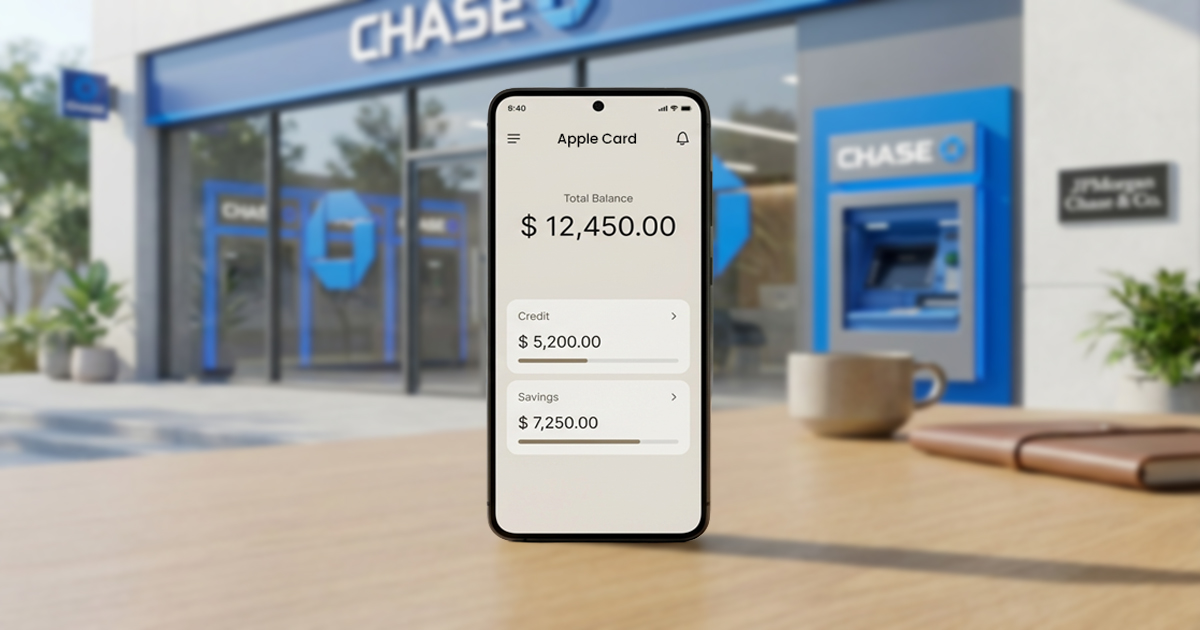
After more than two years of speculation, Apple has officially confirmed that JPMorgan Chase will take over the Apple Card and savings account operations from Goldman Sachs. The transition, reported to take approximately two years to complete, marks the end of Goldman Sachs’ efforts to scale back its consumer banking operations.
During the transition period, Apple Card customers can continue using their cards normally with no immediate changes to their experience. The move to Chase, one of the largest credit card issuers in the United States, potentially provides Apple with a more stable long-term partner for its financial services offerings.
Goldman Sachs has been seeking to exit the partnership for some time as part of a broader strategic shift away from consumer banking. The Apple Card represented a significant departure for the investment bank when it launched in 2019, but reportedly proved challenging to manage profitably.
iOS 26 Shows Unusually Slow Adoption Rate
Third-party analytics data reveals that iOS 26 is experiencing significantly slower adoption compared to previous iOS releases. According to StatCounter data from January 2026, only approximately 15 to 16 percent of active iPhones worldwide are running any version of iOS 26, several months after its release.
This represents a dramatic departure from historical patterns. For context, roughly 63 percent of iPhones were running iOS 18 about four months after its release in January 2025. iOS 17 reached approximately 54 percent adoption over a similar timeframe, while iOS 16 surpassed 60 percent by January 2023.
The slower uptake likely reflects user concerns about the controversial Liquid Glass redesign introduced in iOS 26. Apple has faced criticism over the visual overhaul, with some users reportedly delaying updates due to the significant interface changes. This hesitation suggests Apple may need to reconsider its approach to major design changes or provide more customization options in future updates.
Logitech Certificate Expiration Disrupts macOS Applications
Logitech users on macOS experienced widespread disruptions this week after the company allowed a security certificate to expire, rendering both its Logi Options+ and G HUB configuration applications inoperable. Users of popular Logitech peripherals, including the MX Master series mice and MX Keys keyboards, suddenly found themselves unable to access custom button mappings, scrolling configurations, and gesture settings.
The expired certificate prevented the applications from opening, which also disabled the auto-update feature that would normally resolve such issues. Logitech characterized the oversight as an “inexcusable mistake” and quickly released updates to address the problem, though users must manually download and install the fixes.
The incident highlights the potential vulnerabilities in software that relies on periodic certificate renewals. For professional users who depend on customized peripheral configurations for their workflows, the disruption represented a significant productivity issue.
Affordable 12.9-Inch MacBook Reportedly Launching This Spring
Research firm TrendForce reports that Apple plans to introduce a 12.9-inch MacBook targeting the entry-level to mid-range market this spring, with competitive pricing expected. The laptop is reportedly equipped with a version of the A18 Pro chip from the iPhone 16 Pro, representing Apple’s continued efforts to leverage its silicon designs across product lines.
While specific pricing details remain unconfirmed, the positioning suggests Apple may be aiming to compete more aggressively in the education and budget-conscious consumer segments. A March or April release timeframe would position the product well for the spring semester and graduation season purchases.
This approach would align with Apple’s historical strategy of offering more affordable options while maintaining premium lines for users seeking the highest specifications. The use of an iPhone-derived chip could allow Apple to offer compelling performance at a lower price point than traditional MacBook configurations.
ChatGPT Health Launches With Apple Health Integration
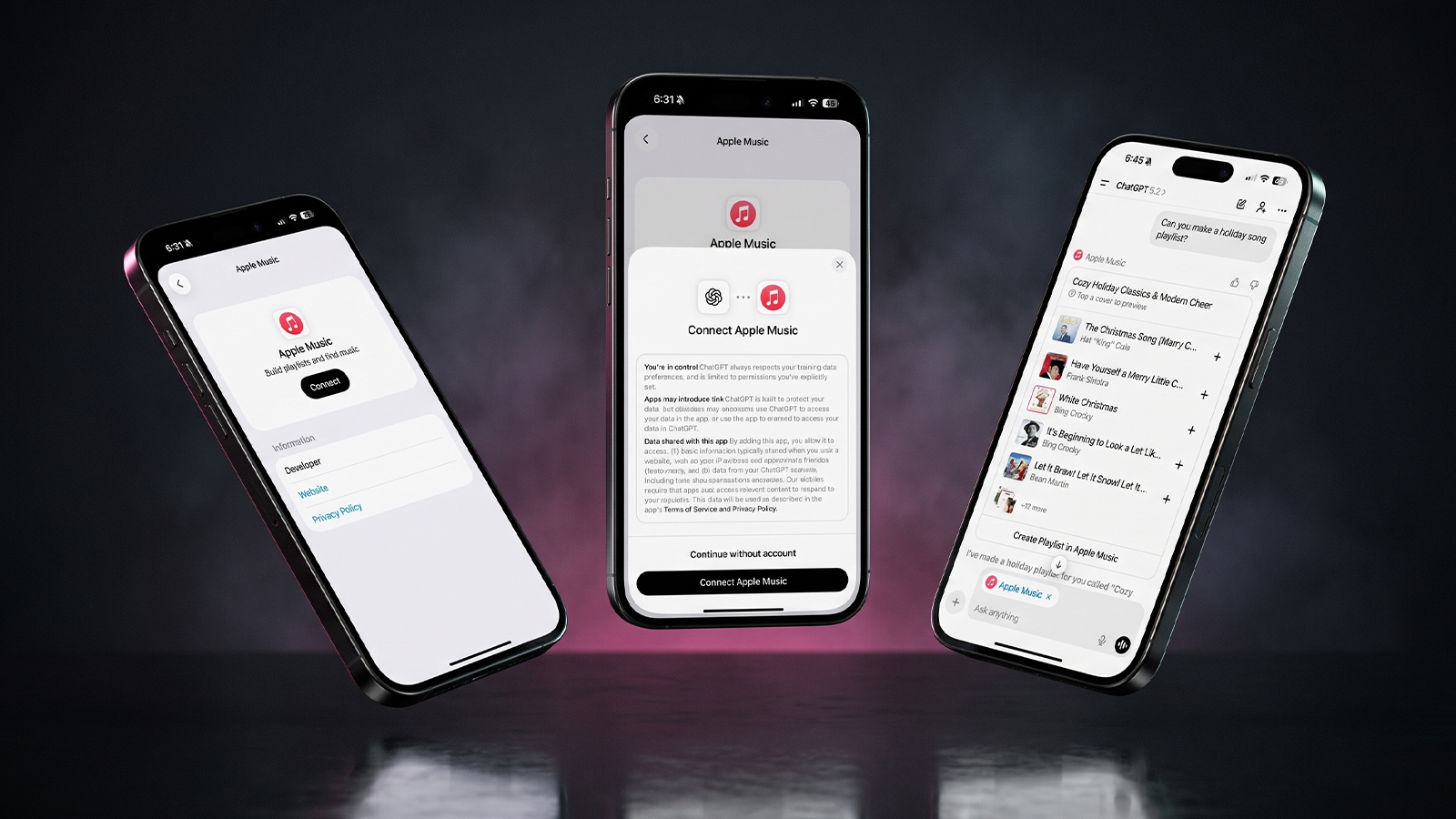
OpenAI announced the launch of ChatGPT Health this week, a dedicated section within ChatGPT for health-related queries that operates separately from the main ChatGPT experience. The service supports integration with multiple health data platforms, including Apple Health, Function, MyFitnessPal, Weight Watchers, AllTrails, Instacart, and Peloton.
Users who connect their Apple Health data will allow ChatGPT to access movement, sleep, and activity patterns for more personalized health responses. The integration represents another step in the growing intersection of artificial intelligence and personal health data, though it also raises questions about data privacy and the appropriate use of AI for medical guidance.
The separation of health queries into a dedicated space suggests OpenAI is taking a more cautious approach to health-related AI assistance, potentially reducing the risk of health information mixing with general ChatGPT conversations.
FAQ
Q: When will the Apple Card transition to Chase be complete?
A: The transition from Goldman Sachs to JPMorgan Chase is expected to take approximately two years. Current Apple Card holders can continue using their cards normally during this period with no immediate changes required.
Q: Will the budget MacBook with A18 Pro chip support all macOS features?
A: While specific details remain unconfirmed, the A18 Pro chip is reportedly capable of running macOS effectively. However, Apple has not yet confirmed which exact macOS version or features will be supported on this device.
Q: Is it safe to update to iOS 26 given the slow adoption rate?
A: The slow adoption appears to be primarily driven by user preference regarding the Liquid Glass redesign rather than technical issues. However, as with any major update, waiting a few months allows Apple to address any bugs discovered after release.
MacReview Verdict
This week’s developments paint a picture of Apple navigating both opportunities and challenges. The crease-less foldable display technology showcased at CES suggests Apple may be positioned to enter the foldable phone market with a genuinely differentiated product, assuming the technology delivers on its promise. The Chase partnership for Apple Card provides stability after years of uncertainty, though the lengthy transition period means customers should not expect immediate changes.
Most concerning is the iOS 26 adoption data, which indicates users are voting with their feet against the Liquid Glass redesign. Apple has historically shown willingness to refine controversial design decisions based on user feedback, and the upcoming iOS 27 reportedly focusing on refinement rather than radical changes may represent that response. The rumored budget MacBook could expand Apple’s addressable market significantly if priced competitively, though final specifications and pricing will determine its true appeal. Overall, Apple appears to be in a period of transition across multiple product lines, with 2026 shaping up to be a year of significant evolution for the company’s ecosystem.