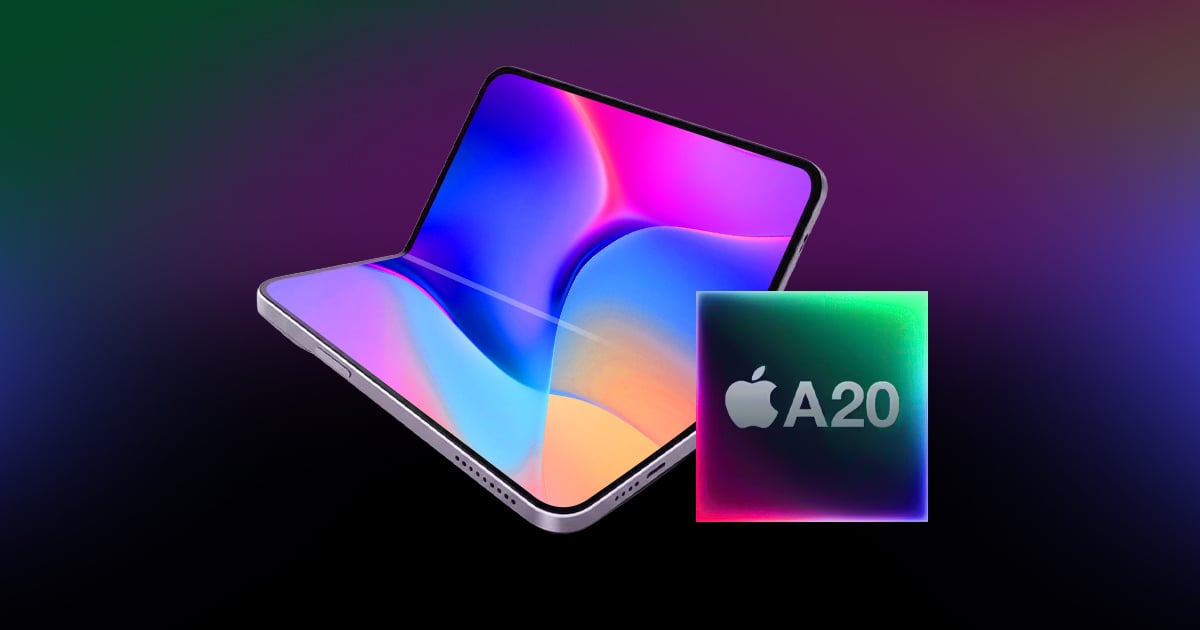
Apple’s anticipated foldable iPhone is reportedly set to debut with the same A20 Pro chip expected in the iPhone 18 Pro lineup, according to industry analyst Jeff Pu. This article examines the projected specifications for Apple’s first foldable device and the performance improvements the new chip architecture may bring.
A20 Pro Chip: A Leap to 2nm Process Technology
The A20 Pro chip is expected to showcase TSMC’s new 2nm process technology, designated N2. According to analyst projections, this manufacturing advancement could deliver performance improvements of up to 15 percent faster processing speeds and 30 percent greater power efficiency compared to current A19 chips. These gains would represent a significant generational leap in Apple’s silicon capabilities.
Beyond raw performance metrics, the N2 process reportedly introduces super-high-performance metal-insulator-metal (SHPMIM) capacitors into the chip’s power delivery system. These components are said to more than double capacitance density while reducing sheet resistance and via resistance by 50 percent. Together, these changes are expected to improve power stability, boost performance, and enhance overall energy efficiency.
Revolutionary Packaging Technology
The A20 Pro chips will reportedly utilize TSMC’s Wafer-Level Multi-Chip Module (WMCM) technology, marking a departure from previous packaging approaches. With WMCM, RAM would be integrated directly onto the same wafer as the CPU, GPU, and Neural Engine, rather than being positioned adjacent to the chip and connected via silicon interposer.
This packaging change is expected to bring several advantages. Faster performance for Apple Intelligence features, extended battery life, and a reduced overall chip footprint could allow Apple to allocate more internal space for other components. This space efficiency may prove particularly valuable in the constrained environment of a foldable device.
Shared Specifications Across Premium Models
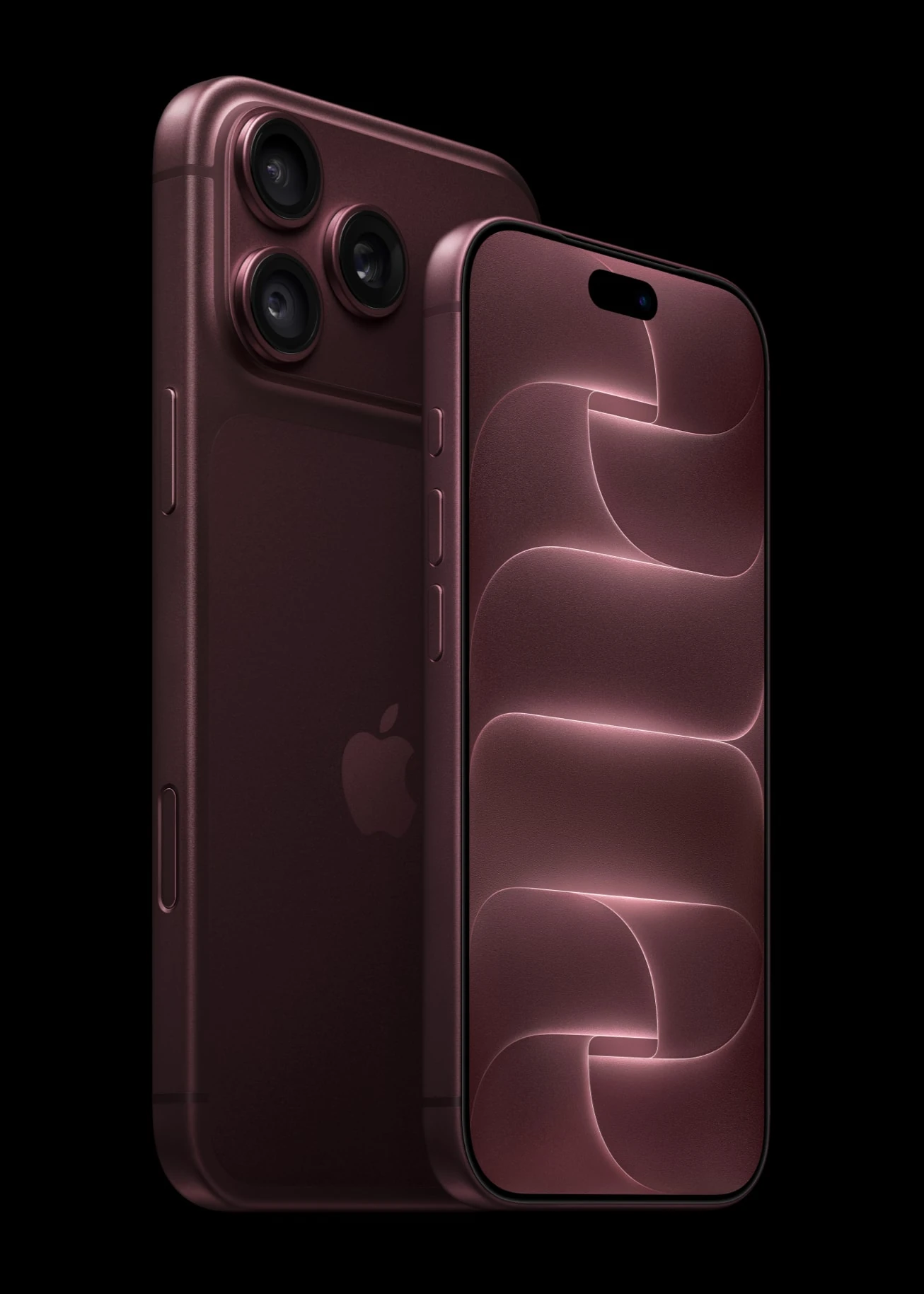
According to Pu’s investor note, the foldable iPhone and iPhone 18 Pro models are expected to share several key specifications beyond the A20 Pro chip. These reportedly include 12GB of LPDDR5 RAM, 48-megapixel rear camera systems, and Apple’s in-house C2 modem. This component parity suggests Apple may be positioning the foldable device as a premium offering alongside traditional Pro models rather than as a distinct product tier.
Foldable iPhone Design Expectations
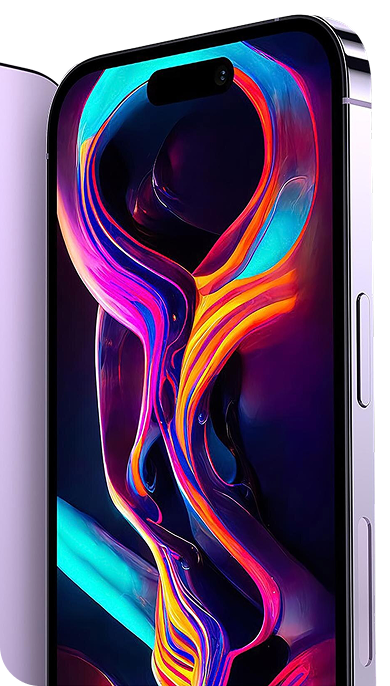
Current rumors suggest Apple’s first foldable iPhone will feature a book-style folding design with a 7.8-inch inner display and a 5.5-inch outer display. The device could reportedly measure just 4.5mm thick when opened and between 9mm and 9.5mm when closed. Additional rumored features include a crease-free screen, Touch ID integration, and front-facing cameras functional in both folded and unfolded states.
These specifications would position Apple’s entry into the foldable market as a premium, feature-rich device rather than an experimental product. The emphasis on a crease-free display and minimal thickness when unfolded suggests Apple is prioritizing the user experience challenges that have affected earlier foldable devices from competitors.
Launch Timeline and Strategy Considerations
The foldable iPhone and iPhone 18 Pro models are expected to debut in September 2026 as part of Apple’s reported new split-launch strategy. Under this approach, standard iPhone 18 and iPhone 18e models would not arrive until spring 2027. This staggered release schedule represents a departure from Apple’s traditional annual September launch cadence for its entire iPhone lineup.
The decision to launch the foldable device alongside Pro models rather than with the standard lineup suggests Apple may be testing market reception for premium devices separately from its volume products. This approach could provide valuable data on consumer interest before committing to broader foldable iPhone production.
FAQ
Q: When is Apple’s foldable iPhone expected to launch?
A: According to analyst reports, the foldable iPhone is expected to debut in September 2026 alongside the iPhone 18 Pro and iPhone 18 Pro Max models.
Q: What are the main advantages of the A20 Pro chip’s WMCM packaging?
A: WMCM technology is expected to deliver faster Apple Intelligence performance, longer battery life, and a smaller chip footprint that allows more space for other internal components.
Q: How does the foldable iPhone’s display size compare to current models?
A: The foldable iPhone is rumored to feature a 7.8-inch inner display when unfolded and a 5.5-inch outer display when closed, making it significantly larger than current iPhone models in its unfolded state.
MacReview Verdict
Apple’s reported approach to its first foldable iPhone reflects the company’s characteristic patience with emerging form factors. By equipping the device with the same advanced A20 Pro chip as the iPhone 18 Pro models and prioritizing features like crease-free displays and minimal thickness, Apple appears focused on addressing the shortcomings that have limited mainstream adoption of foldable devices. The integration of WMCM packaging technology and 2nm process improvements suggests Apple is leveraging its silicon leadership to differentiate its foldable offering. However, all specifications and timelines remain unconfirmed, and Apple’s actual product roadmap may differ from analyst projections. The success of this device will likely depend on whether Apple can deliver a foldable experience that justifies what will presumably be a premium price point without the compromises that have characterized earlier foldable devices from competitors.