A political columnist undergoing chemotherapy for leukemia credits his Apple Watch with potentially saving his life after a dangerous drug interaction triggered severe symptoms. The device’s high heart rate alerts helped medical professionals identify a critical situation that required immediate intervention.
When Routine Medication Becomes a Medical Emergency
Stephen Pollard, a journalist receiving treatment for leukemia, had been managing his condition with a daily regimen that included what he described as his “miracle pill” along with three additional medications to control side effects. When a persistent cough developed into what appeared to be a chest infection, he consulted with a GP who prescribed antibiotics. This seemingly routine prescription set off a chain of events that would highlight the life-saving potential of wearable health technology.
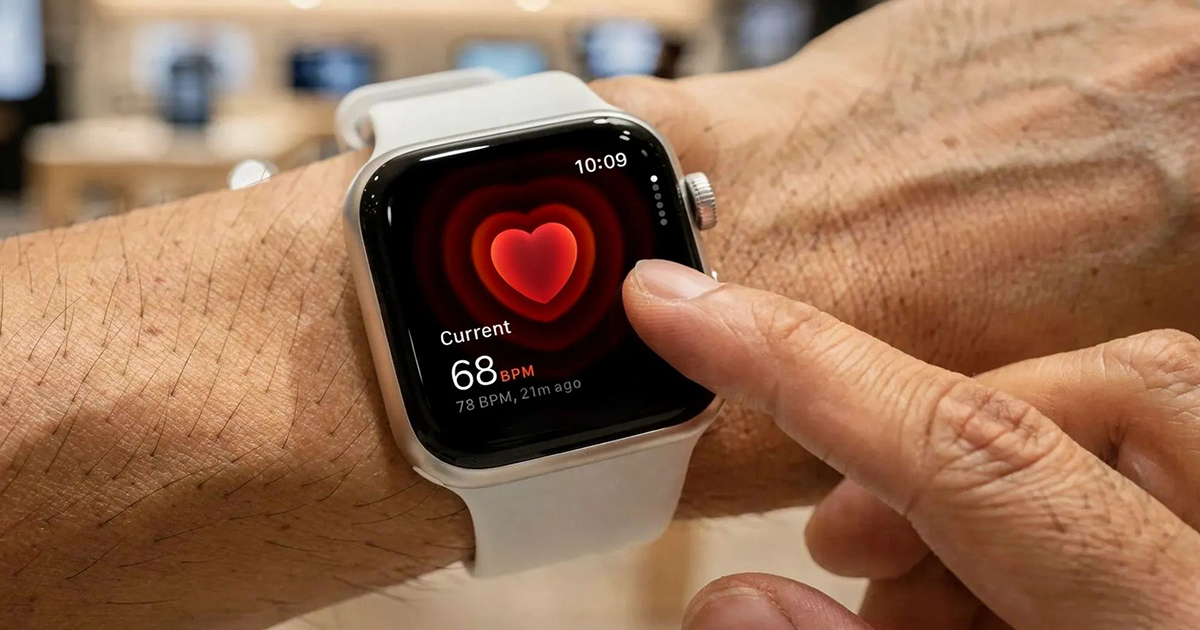
Shortly after beginning the antibiotic treatment, Pollard experienced a severe headache followed by extreme nausea during the night. He reported feeling as though his brain was floating and being pushed around, comparing the sensation to severe seasickness that intensified whenever he tried to move. During this period, his Apple Watch reportedly issued warnings about elevated heart rate despite him being in bed attempting to rest.
The Critical Role of Heart Rate Monitoring
When Pollard eventually contacted another GP from the same medical center, the physician immediately suspended the antibiotic prescription, stating it should never have been prescribed given his ongoing leukemia treatment. The drug interaction between the antibiotic and his chemotherapy medication had created a potentially dangerous situation.
The GP’s questioning about heart palpitations prompted Pollard to recall the Apple Watch alerts he had initially dismissed. This information changed the urgency of the medical response. According to his account, the physician indicated that monitoring his heart rate in the following hours would determine whether lasting damage had occurred. The metric needed to show a decline following the last antibiotic dose, or more serious intervention would be required.
How Apple Watch Heart Rate Alerts Function
The Apple Watch monitors heart rate continuously throughout the day and night using optical sensors on the underside of the device. When the watch detects a heart rate that remains above a user-defined threshold for a specified period while the wearer appears to be inactive, it generates an alert. This feature is designed to identify potentially concerning cardiac activity that might otherwise go unnoticed.
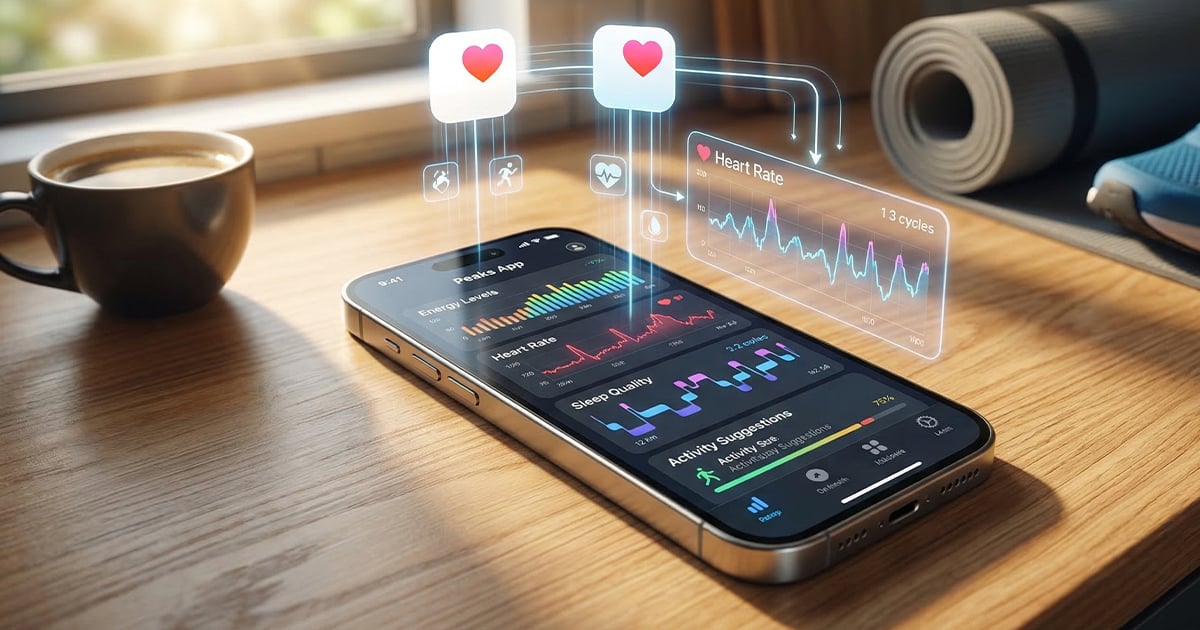
Users can customize the threshold at which they receive high heart rate notifications through the Health app on iPhone. The watch checks for elevated readings periodically when the user has been inactive for at least 10 minutes. This passive monitoring approach allows the device to identify anomalies without requiring active user intervention.
Medical Perspective on Wearable Health Devices
The GP who identified the drug interaction reportedly told Pollard that he should “say a very big thank you to your watch” and that he “might not have been here without it.” This assessment reflects a growing recognition within the medical community of how consumer health technology can provide valuable data points during diagnostic processes.
Pollard used his Apple Watch to monitor his heart rate in the critical hours following the suspension of the antibiotic. The ability to track this metric continuously provided both him and his medical team with real-time information about whether his condition was stabilizing. Fortunately, his heart rate began to decline, indicating that permanent damage had been avoided.
Drug Interactions and Patient Safety
This incident highlights the complexity of medication management, particularly for patients undergoing intensive treatments like chemotherapy. Drug interactions can occur when two or more medications affect each other’s function in the body, potentially reducing effectiveness or causing harmful side effects.
Pollard noted that living alone added another dimension of risk to his situation. A cardiac event occurring during sleep without any monitoring or alert system could have had fatal consequences. The Apple Watch notifications, even though initially dismissed, provided a documented record of the physiological changes occurring during the drug interaction.
Growing Evidence of Health Technology Benefits
This case adds to a growing collection of reports from Apple Watch users who credit the device with identifying serious health conditions. The watch includes several cardiac-focused features beyond basic heart rate monitoring, including irregular rhythm notifications designed to identify potential atrial fibrillation, and ECG capabilities in certain models.
Apple does not market these features as medical diagnostic tools, instead positioning them as information that users can share with healthcare providers. The company consistently emphasizes that the watch is not intended to replace professional medical advice or diagnosis. However, the data these devices collect can serve as an early warning system that prompts users to seek medical attention when they might otherwise delay or avoid it.
MacReview Verdict
This account reinforces the practical health benefits that Apple Watch and similar wearable devices can provide beyond fitness tracking. While the technology cannot prevent medical emergencies or replace professional healthcare, it can serve as an important monitoring tool that identifies concerning changes in vital signs. For individuals managing complex medical conditions or taking multiple medications, continuous heart rate monitoring provides an additional layer of awareness that can prove critical during unexpected health events.
The incident also underscores the importance of medication review and coordination among healthcare providers, particularly for patients undergoing treatments with significant drug interaction risks. Pollard’s experience demonstrates how consumer health technology can bridge gaps in medical care by providing objective data that helps both patients and physicians make more informed decisions during acute situations.