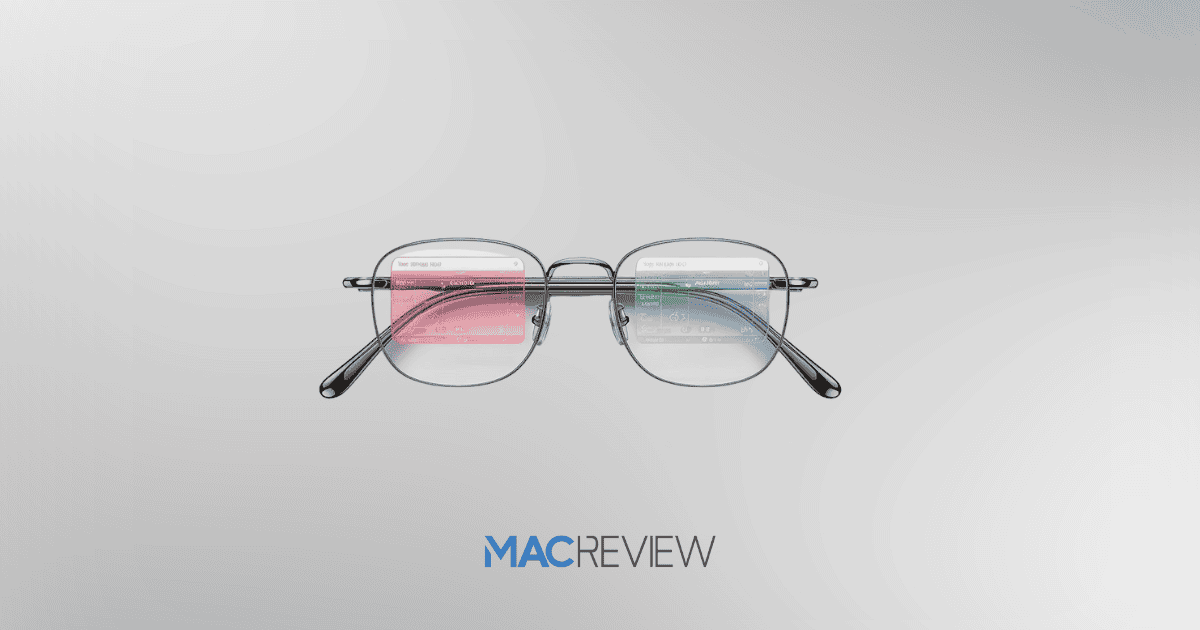
In a bid to expand its augmented reality (AR) offerings, Apple is reportedly working on smart glasses and AirPods with built-in cameras, aiming for a potential release in 2027. According to Bloomberg’s Mark Gurman, these devices are part of Apple’s long-term strategy to make AR features more accessible and appealing to a wider range of users. Following the Vision Pro headset’s rocky market debut, Apple is now looking to diversify its AR lineup with products that integrate augmented reality in more user-friendly, wearable forms.
Apple’s Vision Beyond the Vision Pro
Since its launch, the $3,500 Vision Pro headset has struggled to capture widespread consumer interest, with complaints about its weight, cost, and overheating issues limiting its appeal. Apple’s Vision Products Group appears to be pivoting toward devices with broader consumer potential, such as smart glasses that could serve as a more practical alternative to the Vision Pro.
Gurman’s latest “Power On” newsletter suggests that Apple is exploring options for smart glasses that are akin to Meta’s Ray-Ban Stories collaboration. These glasses and AirPods with cameras could leverage the visual intelligence technology developed for the Vision Pro, enabling devices to process and interpret the user’s surroundings, a feature that Apple aims to eventually bring to more accessible form factors.
Key Features of Apple’s Upcoming AR Devices
Apple’s AR smart glasses and AirPods with cameras are still in the development phase, but early reports offer a glimpse of their potential capabilities. These new devices are expected to incorporate some of the following features:
- Visual Intelligence Integration: Similar to the Vision Pro, Apple’s smart glasses and AirPods are likely to include sensors that can analyze surroundings and provide users with real-time information. This technology would enable hands-free access to data through AR, enhancing daily activities with relevant information overlays.
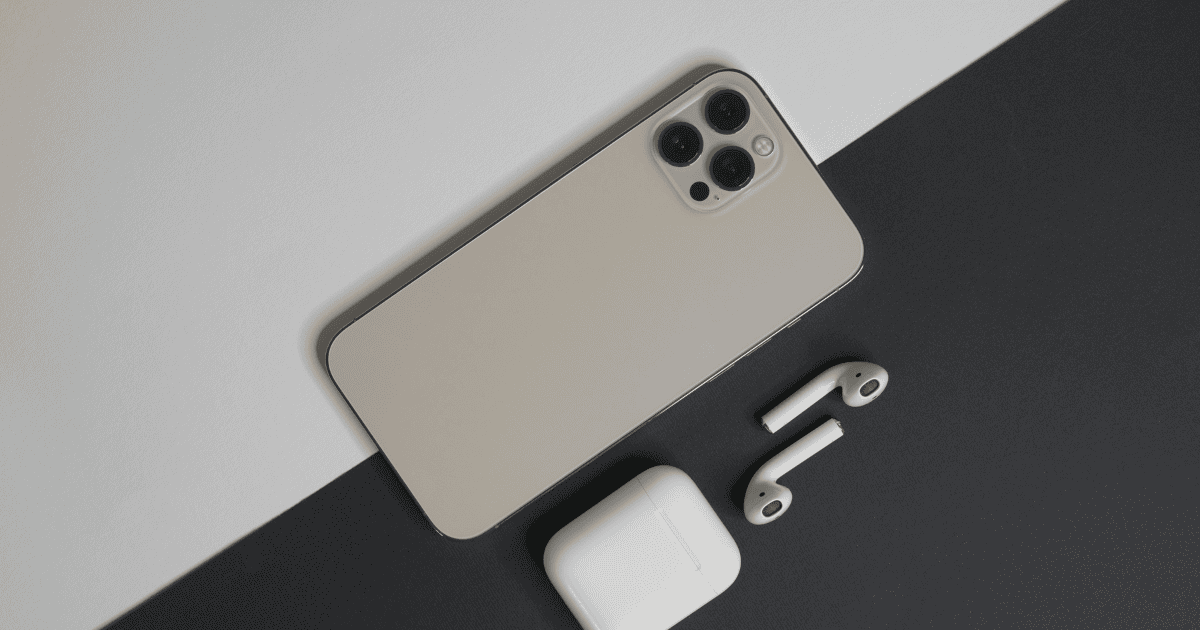
- Built-in Camera for AirPods: The camera-equipped AirPods are expected to allow users to capture photos or videos effortlessly. This feature could also facilitate AR experiences, with the cameras providing additional data for the device to analyze and respond to.
- Object Recognition and Interaction: The technology may extend to object recognition and contextual interactions. For example, pointing the device at a restaurant could provide details like hours and ratings, while interacting with event information might automatically add events to the Calendar app.
A Broader AR Strategy for Wider Appeal
Apple’s move towards developing smart glasses and AirPods with AR capabilities reflects its intent to bring augmented reality into everyday devices that consumers are already familiar with. These innovations represent a more approachable entry point into AR compared to the Vision Pro, which has faced barriers to mass adoption due to its high price and niche market appeal.
Apple is also planning to introduce similar visual intelligence features to the iPhone 16 later this year, allowing users to interact with real-world objects using the Camera app. This feature could be a preview of what to expect from Apple’s future AR devices, demonstrating how augmented reality can enhance common tasks with useful, context-based information.
The Competitive Landscape and Meta’s Influence
As Apple ramps up its efforts in AR, the company is aware of its competition, particularly from Meta. With its lower-priced smart glasses in collaboration with Ray-Ban, Meta has already entered the wearable AR space and offers a more budget-friendly option. Apple’s foray into smart glasses and camera-equipped AirPods seems to be a direct response, aiming to capture the attention of consumers who seek immersive experiences without the hefty price tag.
Apple’s strategy involves delivering AR features through familiar products, which may increase user adoption compared to the Vision Pro. By introducing these capabilities in forms that users already know, Apple can expand its AR footprint in a manner that feels natural and accessible.
Apple’s Broader Augmented Reality Plans
Beyond the potential 2027 release of smart glasses and camera AirPods, Apple has other projects in the works that align with its AR ambitions. Gurman reports that Apple is developing a lower-cost version of the Vision Pro headset, which could arrive as soon as 2025 with a price tag around $2,000. Additionally, a second-generation Vision Pro with upgraded processing capabilities is anticipated in 2026, signaling Apple’s ongoing commitment to refining and expanding its AR product offerings.
By diversifying its product lineup with devices that vary in price, functionality, and form factor, Apple aims to reach a broader audience and establish itself as a key player in the AR market.
Future of Apple’s Augmented Reality Ecosystem
Apple’s long-term AR strategy appears to focus on creating a seamless ecosystem that integrates various augmented reality devices, catering to different consumer needs and price points. With smart glasses and camera-equipped AirPods on the horizon, Apple is setting the stage for an interconnected suite of AR products that enhance everyday life through wearable technology.
As 2027 approaches, Apple’s continued development in the augmented reality space will be a key area to watch. Whether Apple can succeed in bringing AR to a mainstream audience depends on the success of these upcoming devices, as well as the company’s ability to innovate within an increasingly competitive landscape.
4In a bid to expand its augmented reality (AR) offerings, Apple is reportedly working on smart glasses and AirPods with built-in cameras, aiming for a potential release in 2027. According to Bloomberg’s Mark Gurman, these devices are part of Apple’s long-term strategy to make AR features more accessible and appealing to a wider range of users. Following the Vision Pro headset’s rocky market debut, Apple is now looking to diversify its AR lineup with products that integrate augmented reality in more user-friendly, wearable forms.
Apple’s Vision Beyond the Vision Pro
Since its launch, the $3,500 Vision Pro headset has struggled to capture widespread consumer interest, with complaints about its weight, cost, and overheating issues limiting its appeal. Apple’s Vision Products Group appears to be pivoting toward devices with broader consumer potential, such as smart glasses that could serve as a more practical alternative to the Vision Pro.
Gurman’s latest “Power On” newsletter suggests that Apple is exploring options for smart glasses that are akin to Meta’s Ray-Ban Stories collaboration. These glasses and AirPods with cameras could leverage the visual intelligence technology developed for the Vision Pro, enabling devices to process and interpret the user’s surroundings, a feature that Apple aims to eventually bring to more accessible form factors.
Key Features of Apple’s Upcoming AR Devices
Apple’s AR smart glasses and AirPods with cameras are still in the development phase, but early reports offer a glimpse of their potential capabilities. These new devices are expected to incorporate some of the following features:
- Visual Intelligence Integration: Similar to the Vision Pro, Apple’s smart glasses and AirPods are likely to include sensors that can analyze surroundings and provide users with real-time information. This technology would enable hands-free access to data through AR, enhancing daily activities with relevant information overlays.
- Built-in Camera for AirPods: The camera-equipped AirPods are expected to allow users to capture photos or videos effortlessly. This feature could also facilitate AR experiences, with the cameras providing additional data for the device to analyze and respond to.
- Object Recognition and Interaction: The technology may extend to object recognition and contextual interactions. For example, pointing the device at a restaurant could provide details like hours and ratings, while interacting with event information might automatically add events to the Calendar app.
A Broader AR Strategy for Wider Appeal
Apple’s move towards developing smart glasses and AirPods with AR capabilities reflects its intent to bring augmented reality into everyday devices that consumers are already familiar with. These innovations represent a more approachable entry point into AR compared to the Vision Pro, which has faced barriers to mass adoption due to its high price and niche market appeal.
Apple is also planning to introduce similar visual intelligence features to the iPhone 16 later this year, allowing users to interact with real-world objects using the Camera app. This feature could be a preview of what to expect from Apple’s future AR devices, demonstrating how augmented reality can enhance common tasks with useful, context-based information.
The Competitive Landscape and Meta’s Influence
As Apple ramps up its efforts in AR, the company is aware of its competition, particularly from Meta. With its lower-priced smart glasses in collaboration with Ray-Ban, Meta has already entered the wearable AR space and offers a more budget-friendly option. Apple’s foray into smart glasses and camera-equipped AirPods seems to be a direct response, aiming to capture the attention of consumers who seek immersive experiences without the hefty price tag.
Apple’s strategy involves delivering AR features through familiar products, which may increase user adoption compared to the Vision Pro. By introducing these capabilities in forms that users already know, Apple can expand its AR footprint in a manner that feels natural and accessible.
Apple’s Broader Augmented Reality Plans
Beyond the potential 2027 release of smart glasses and camera AirPods, Apple has other projects in the works that align with its AR ambitions. Gurman reports that Apple is developing a lower-cost version of the Vision Pro headset, which could arrive as soon as 2025 with a price tag around $2,000. Additionally, a second-generation Vision Pro with upgraded processing capabilities is anticipated in 2026, signaling Apple’s ongoing commitment to refining and expanding its AR product offerings.
By diversifying its product lineup with devices that vary in price, functionality, and form factor, Apple aims to reach a broader audience and establish itself as a key player in the AR market.
Future of Apple’s Augmented Reality Ecosystem
Apple’s long-term AR strategy appears to focus on creating a seamless ecosystem that integrates various augmented reality devices, catering to different consumer needs and price points. With smart glasses and camera-equipped AirPods on the horizon, Apple is setting the stage for an interconnected suite of AR products that enhance everyday life through wearable technology.
As 2027 approaches, Apple’s continued development in the augmented reality space will be a key area to watch. Whether Apple can succeed in bringing AR to a mainstream audience depends on the success of these upcoming devices, as well as the company’s ability to innovate within an increasingly competitive landscape.