Apple appears poised to expand its monetization strategy across its software ecosystem, according to recent industry analysis. Following the launch of Apple Creator Studio last month, the company is reportedly exploring additional opportunities to introduce paid upgrades and subscription bundles throughout its product lineup.
Creator Studio Points to Broader Monetization Strategy
The introduction of Apple Creator Studio represents a significant shift in how Apple packages its professional creative applications. The subscription service bundles Final Cut Pro and Logic Pro with enhanced features, including AI-powered image and presentation generation capabilities backed by OpenAI technology. While the offering may appeal to power users, it also introduced paid features and promotional messaging into Apple’s previously unrestricted iWork suite, which includes Pages, Keynote, and Numbers.
According to industry reporting, Apple is examining its entire software and services portfolio for similar monetization opportunities. This strategy aligns with the company’s growing emphasis on services revenue, which has become an increasingly important component of its financial performance.
AI Features Drive New Revenue Opportunities
The expansion of artificial intelligence capabilities across Apple’s ecosystem provides the company with justification for introducing premium tiers. Creator Studio’s AI-powered features represent an early example of this approach, offering functionality that extends beyond the capabilities available in standard Apple applications.
The system-level Image Playgrounds app, for instance, reportedly offers fewer capabilities than the image generation features available through Creator Studio versions of Pages and Keynote. Similarly, advanced features like Magic Fill in Numbers are now positioned as premium offerings rather than standard ecosystem benefits.
Long-standing speculation about an AI-enhanced Apple Health+ service suggests the company may be considering subscription models for health and fitness features beyond the current Apple Fitness+ offering.
Balancing Revenue Growth With User Experience
Apple faces a delicate balance as it pursues additional services revenue. The company has historically differentiated itself through integrated hardware and software experiences without excessive upselling. However, recent moves suggest a shift in this philosophy.
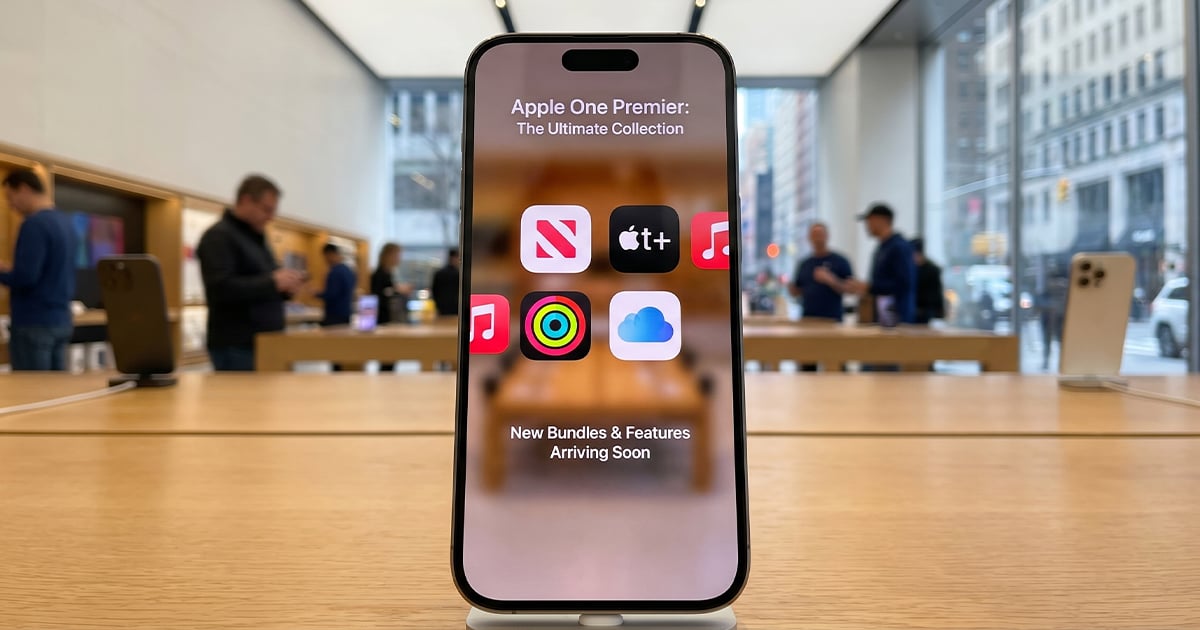
The success of Apple One, which bundles multiple services at a discounted rate, demonstrates consumer appetite for value-oriented subscription packages. This bundle has been well-received and appears to strike a balance between company revenue goals and customer value perception.
However, the proliferation of paid features risks diminishing the premium perception that has long characterized Apple products. Similar concerns have been raised about the ongoing expansion of advertising within the App Store, where increased monetization efforts must be weighed against user experience considerations.
iCloud Storage Pricing Remains Static
Apple’s approach to iCloud storage pricing provides context for understanding the company’s services strategy. The free storage tier has remained at 5 GB since iCloud launched in 2011, despite significant increases in file sizes and user storage needs over the past 15 years. This has effectively converted iCloud storage upgrades into a common recurring expense for many users.
The unchanged free tier suggests Apple views storage upgrades as an established revenue stream rather than a competitive differentiator, potentially indicating how the company may approach other services monetization opportunities.
What to Expect in Future Software Updates
Based on Apple’s historical patterns and recent moves, users should anticipate seeing premium feature tiers introduced across additional applications and services. Likely candidates for enhanced monetization include:
- Advanced AI capabilities in productivity applications
- Professional features in creative software
- Enhanced health and fitness analytics
- Expanded cloud storage and sync capabilities
The company’s approach to these features will likely depend on whether they can be positioned as genuinely new capabilities rather than previously available functions moved behind a paywall. Consumer reception to Creator Studio and similar offerings will probably influence how aggressively Apple pursues this strategy.
FAQ
Q: Will existing free Apple software become paid?
A: Based on current patterns, core functionality in existing free applications is expected to remain available without charge. However, advanced or AI-powered features may be introduced as premium add-ons or subscription tiers.
Q: How does Apple Creator Studio pricing work?
A: Apple Creator Studio bundles Final Cut Pro and Logic Pro with additional AI-powered features for creative professionals. Specific pricing details and feature lists should be confirmed directly through Apple’s official channels.
Q: Could Apple increase the free iCloud storage tier?
A: While the 5 GB free tier has remained unchanged since 2011, Apple has not announced plans to increase it. Given the company’s apparent focus on services revenue growth, a substantial increase appears unlikely in the near term.
MacReview Verdict
Apple’s movement toward increased software monetization through subscription bundles and premium features represents a significant strategic shift for a company that has traditionally used software as a hardware differentiator. While offerings like Apple One demonstrate that well-designed bundles can provide genuine value, the introduction of paid features into previously free applications like the iWork suite raises legitimate concerns about user experience degradation.
The success of this strategy will depend on Apple’s ability to maintain the premium perception that justifies its hardware pricing while introducing new recurring revenue streams. Features that leverage genuinely new AI capabilities may be easier for users to accept as premium offerings compared to functionality that feels like existing features moved behind a paywall.
As Apple continues exploring monetization opportunities across its software ecosystem, the company must carefully navigate the balance between revenue growth and the integrated experience that has long defined its brand. Users should expect to see more subscription options in the coming years, but whether these represent compelling value or unwelcome nickel-and-diming will depend entirely on execution.