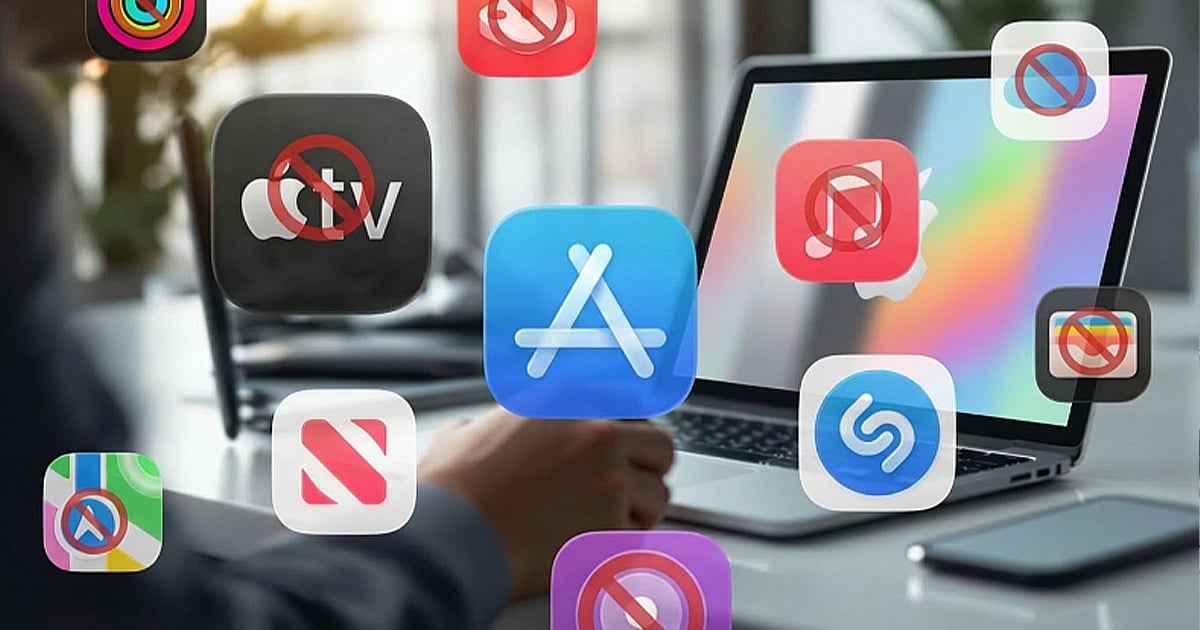
Apple experienced a significant service disruption on January 20, 2026, affecting multiple key platforms including the App Store, iTunes Store, Apple TV, and several other services. The outage, which began in the early evening Eastern Time, left some users unable to access content, make purchases, or use certain cloud-based features across Apple’s ecosystem.
What Services Were Affected
According to Apple’s System Status page, the outage initially impacted the App Store and iTunes Store, with Apple confirming that some users were experiencing issues accessing these services. The Apple TV service also saw intermittent problems, preventing users from accessing certain content or completing purchases. Apple TV Channels, which provides access to third-party streaming services through the Apple TV app, was completely unavailable during the outage.
As the disruption continued, additional services were confirmed to be experiencing issues. By approximately 8:15 p.m. Eastern Time, Apple reported problems with iWork for iCloud, Xcode Cloud, and Apple Maps Traffic. Some users also reported difficulties streaming content through Apple Music, encountering “Resource unavailable” errors, and issues with cloud music library syncing.
Timeline and User Impact
The service interruption began at 6:48 p.m. Eastern Time on January 20, 2026. The outage affected users across multiple platforms and regions, though Apple’s official status page indicated that the impact was not universal, with some users able to access services normally while others encountered errors.
For users attempting to download apps, make purchases, or stream media content during the affected hours, the outage represented a significant disruption to normal device usage. The timing of the outage, occurring during evening hours in the Eastern time zone, meant it coincided with peak usage periods for entertainment and content consumption in the United States.
Apple’s Response and Communication
Apple acknowledged the service disruptions through its System Status page, which provides real-time information about the operational status of Apple’s various online services and platforms. The company’s standard practice during outages is to update this page as new information becomes available and to notify users when services return to normal operation.
The company did not immediately provide specific details about the cause of the outage or an estimated time for full restoration of services. Apple typically investigates such incidents internally before releasing detailed explanations, if any public statement is made at all.
Context for Apple Service Reliability
While Apple’s cloud services generally maintain high availability, outages do occur periodically across the technology industry. The interconnected nature of Apple’s service infrastructure means that issues affecting backend systems can cascade across multiple user-facing services simultaneously.
Service disruptions of this nature highlight the increasing dependence of modern computing on cloud-based infrastructure. Features that were once entirely device-based now frequently require server connectivity for full functionality, from app downloads to media streaming to document synchronization.
MacReview Verdict
The January 20 outage serves as a reminder that even the most reliable technology infrastructure can experience unexpected disruptions. For Apple users, the incident reinforced the importance of the System Status page as a resource for confirming suspected service issues. While the outage was inconvenient for affected users, Apple’s acknowledgment of the problem and tracking of affected services provided transparency during the incident. The expanding scope of affected services as the evening progressed suggested a broader infrastructure issue rather than isolated service problems. Users who regularly depend on Apple’s cloud services may want to bookmark the System Status page for quick reference during future incidents.