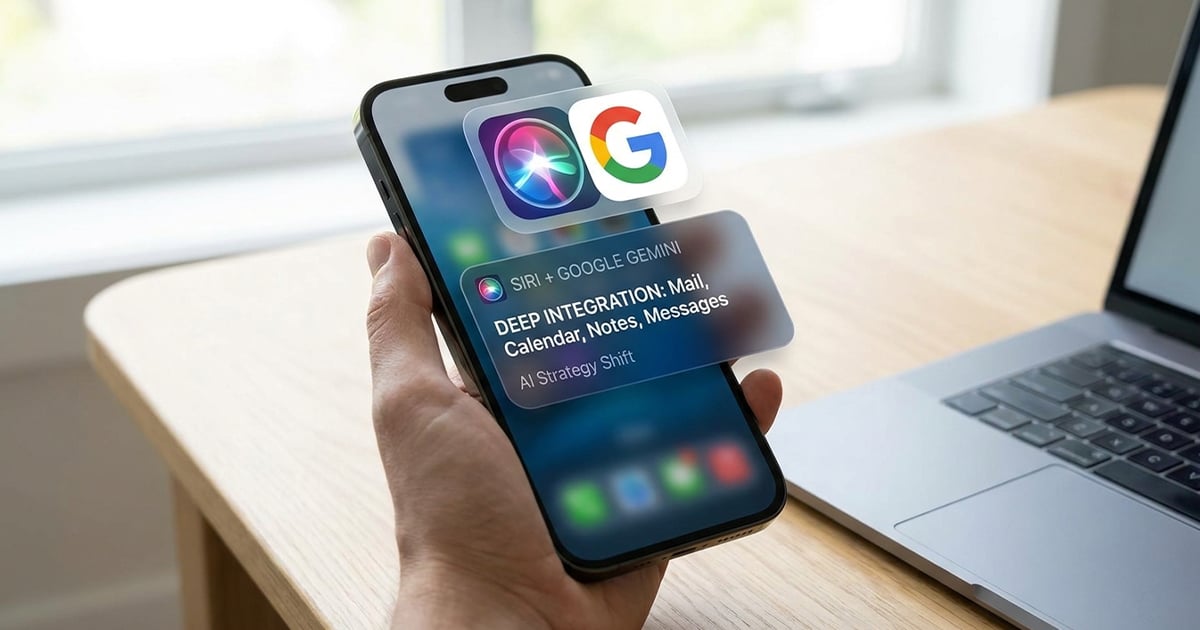
Apple is reportedly preparing to integrate Google Gemini-powered Siri deeply across its core applications, marking a significant shift in the company’s artificial intelligence strategy. The change comes as Apple scales back several ambitious in-house AI projects in favor of leveraging Google’s technology, according to recent industry reports.
Shift Away from Standalone AI Projects
Apple has reportedly scaled back its World Knowledge Answers project, an internal initiative designed to compete with services like ChatGPT and Perplexity. Instead of building proprietary systems from the ground up, the company is now focusing on integrating Google’s Gemini technology into existing Apple services.
The decision represents a departure from Apple’s typical approach of developing core technologies internally. The World Knowledge Answers project had aimed to provide generative AI search capabilities comparable to leading AI assistants, but development priorities have shifted following recent leadership changes within Apple’s AI division.
Safari Redesign Paused
Among the scaled-back initiatives is a planned AI-driven overhaul of Safari. The browser redesign was expected to include features for assessing document trustworthiness and cross-referencing information across multiple sources. While work on this project has been paused, there remains a possibility that development could resume before the company’s developer conference expected in 2026.
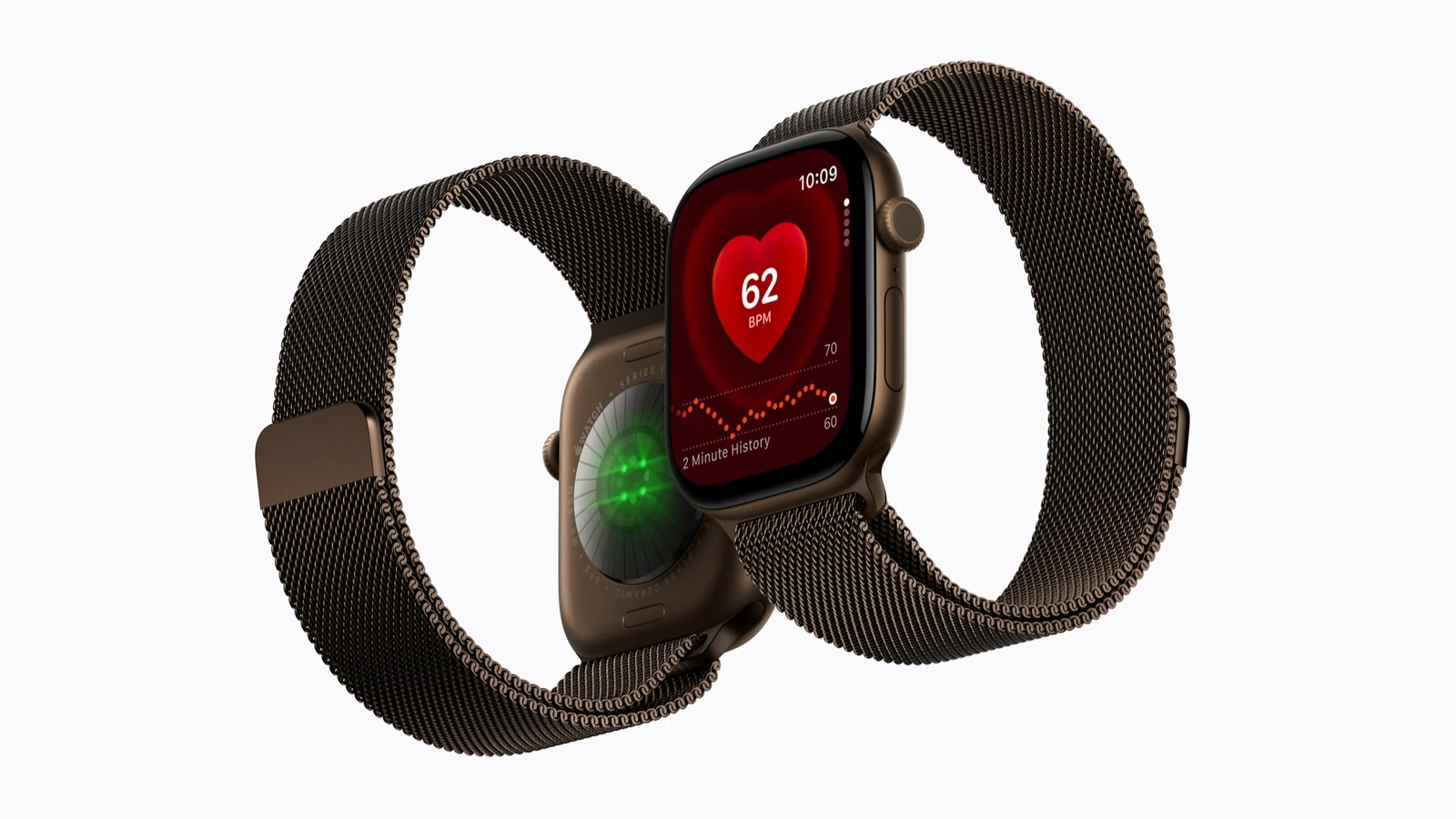
Apple has also reportedly returned to the drawing board for AI-powered Health features, suggesting the company is reevaluating how artificial intelligence fits into its health and wellness ecosystem.
Unified Siri Experience Across Apps
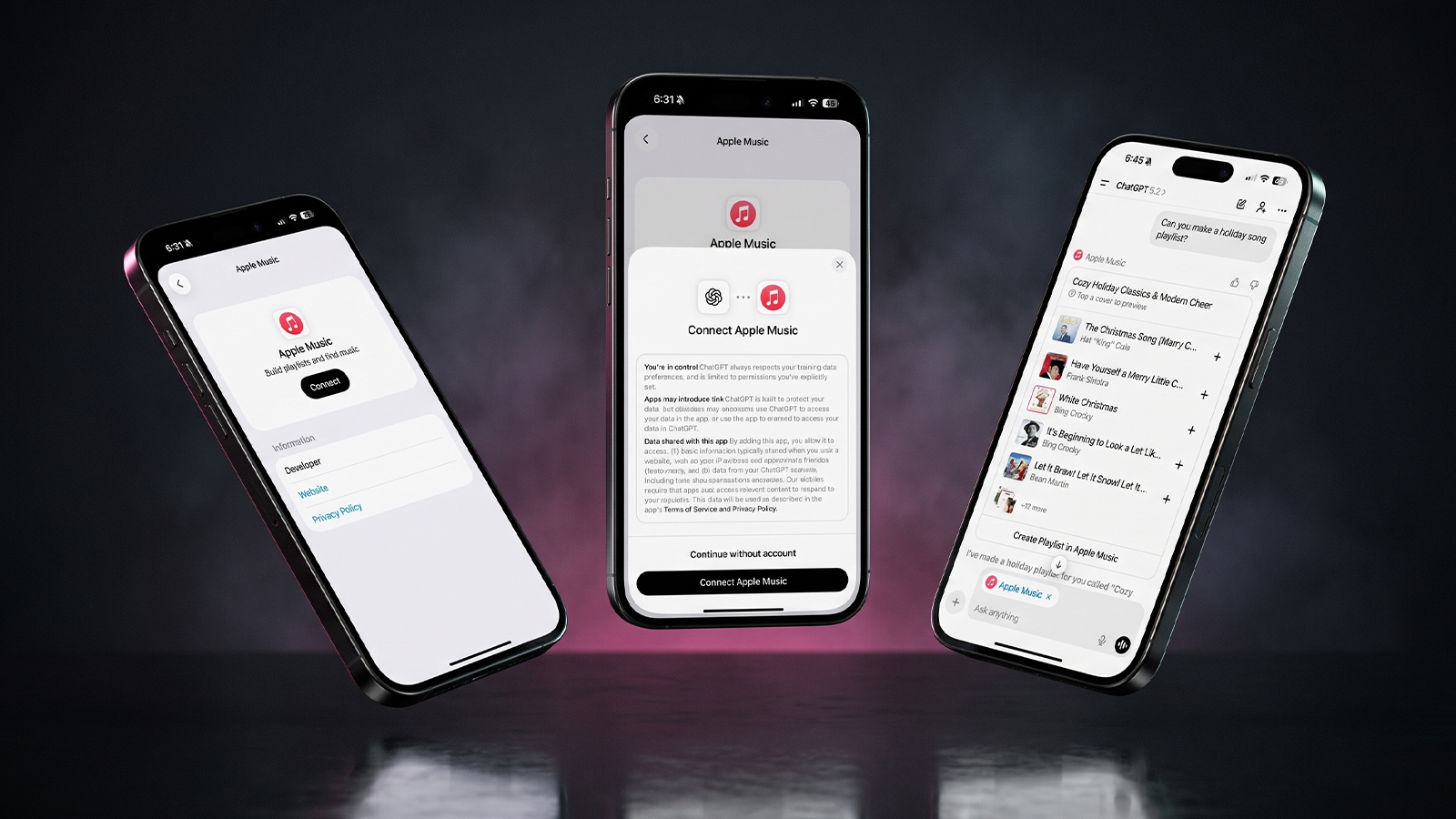
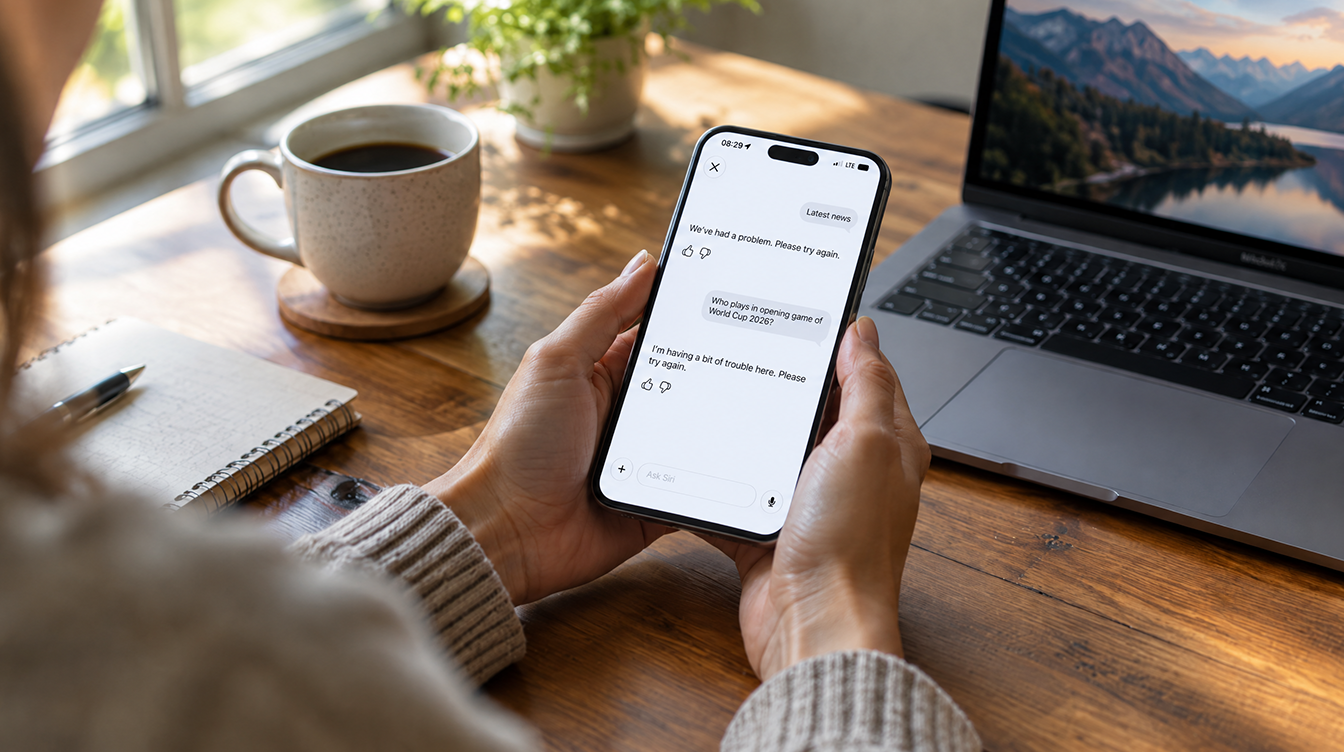
Rather than implementing standalone chatbot-style experiences in individual apps like Safari, TV, Health, Music, and Podcasts, Apple is now planning a more cohesive approach. The upcoming Gemini-based version of Siri will reportedly be integrated deeply across these core applications, creating a consistent user experience.
The shift toward unified integration follows the departure of John Giannandrea, Apple’s Senior Vice President of Machine Learning and AI Strategy. This leadership change appears to have prompted a strategic reassessment of how Apple deploys artificial intelligence across its software platforms.
While specific implementation details remain unclear, Apple has previously demonstrated how Siri could interact with apps through App Intents, a developer framework that allows third-party applications to expose functionality to the system. This existing infrastructure may provide a foundation for the deeper integration being planned.
Expected Announcement Timeline
The new Gemini-powered Siri could be announced as soon as February 2026, with a public launch likely following in subsequent months. Apple first previewed an overhauled Siri at its 2024 developer conference, but full implementation has been delayed as the company refined its approach.
Apple Intelligence Progress
Since launching Apple Intelligence in late 2024, the company has added relatively few new AI features to its applications. Recent additions include AutoMix for Apple Music and Workout Buddy for Apple Watch, but broader integration has been limited compared to initial expectations.
The planned Siri integration represents Apple’s most significant step forward in delivering the AI capabilities promised when Apple Intelligence was first announced. The strategy suggests Apple is prioritizing practical implementation of proven AI technology over developing entirely proprietary systems.
Implications for Apple’s AI Strategy
The decision to integrate Google Gemini rather than build competing technology in-house reflects both the competitive landscape of AI development and Apple’s pragmatic approach to delivering features. While Apple has historically preferred to control core technologies, the rapid advancement of large language models may have influenced the partnership decision.
This approach also allows Apple to focus engineering resources on areas where it maintains clear differentiation, such as on-device processing, privacy protections, and hardware-software integration. By leveraging Google’s cloud-based AI capabilities while maintaining control over user experience and data handling, Apple can potentially deliver advanced features without the extensive infrastructure investment required for competitive large language model development.
FAQ
Q: When will the new Gemini-powered Siri be available?
A: Apple may announce the updated Siri as early as February 2026, though a specific public release date has not been confirmed. Based on Apple’s typical development cycles, availability would likely follow several months after announcement.
Q: Which apps will include deep Siri integration?
A: Reports indicate that Safari, TV, Health, Music, and Podcasts are among the core apps expected to receive deep Siri integration, though Apple has not confirmed specific implementation details.
Q: Will this replace Apple’s own AI technology?
A: The Gemini integration appears to supplement rather than replace Apple Intelligence. Apple will likely continue using proprietary on-device AI for privacy-sensitive features while leveraging Google’s technology for cloud-based capabilities requiring extensive language understanding.
MacReview Verdict
Apple’s reported shift toward deep Gemini integration across core apps represents a pragmatic evolution of its AI strategy. While the decision to scale back proprietary projects like World Knowledge Answers may disappoint those hoping for entirely Apple-built solutions, the approach could deliver more capable features sooner than continued independent development.
The success of this strategy will depend heavily on implementation details, particularly how Apple balances its privacy commitments with cloud-based AI capabilities. If Apple can deliver the enhanced Siri functionality demonstrated in 2024 while maintaining user trust, the Gemini partnership could prove beneficial for users even as it marks a departure from Apple’s traditional approach to core technologies.
With announcements potentially coming as soon as next month, 2026 appears poised to finally deliver the substantive Apple Intelligence updates that have been in development since the initial preview. Whether this represents the beginning of broader third-party AI integration or a temporary solution while Apple continues internal development remains to be seen.