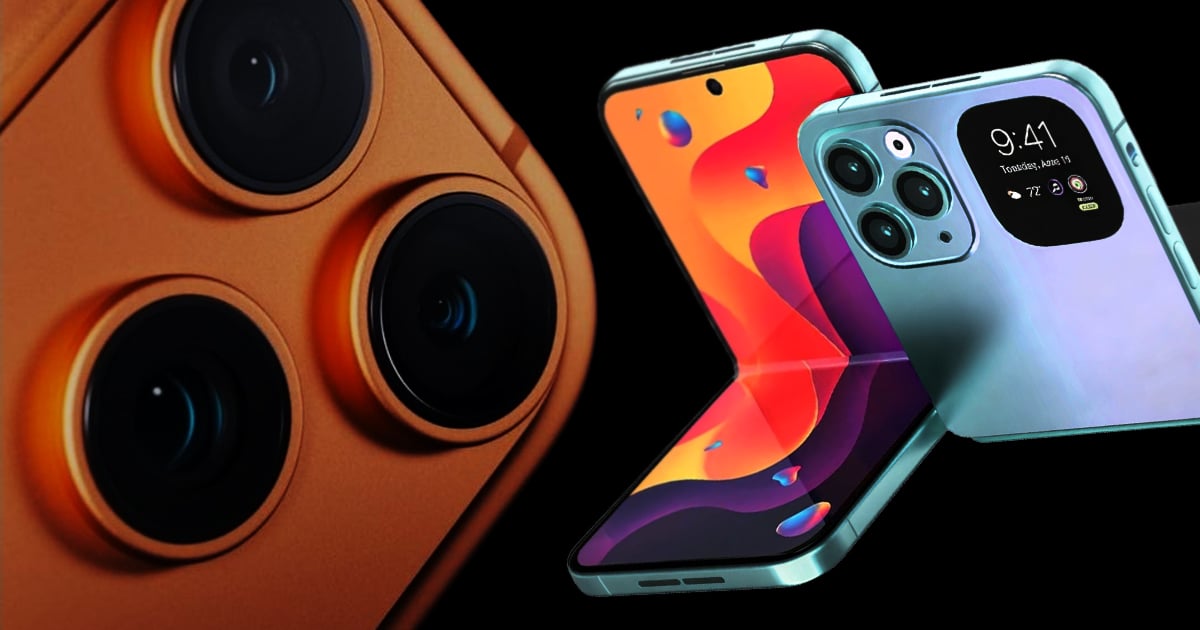
New analyst projections suggest Apple’s 2026 iPhone lineup could help the company gain market share despite an expected contraction in the broader smartphone market. The forecasts include detailed technical specifications for three models reportedly launching in fall 2026: the iPhone 18 Pro, iPhone 18 Pro Max, and a long-rumored foldable iPhone.
Apple Positioned to Counter Market Decline
According to analyst Jeff Pu, global smartphone shipments are expected to decline by approximately 4% in 2026, primarily due to rising memory costs and weakening demand in Android’s low-to-mid-range segments. Despite these headwinds, Apple is reportedly projected to ship 250 million iPhones in 2026, representing a 2% year-over-year increase.
If these projections prove accurate, Apple’s market share would climb to 21%, up from an estimated 20% in 2025 and 19% in 2024. Pu attributes this growth partly to what he describes as “resilient demand” for the iPhone 17 lineup, with Apple reportedly raising its first-quarter 2026 build forecast to 59 million units from a previous estimate of 56 million.
Expected Technical Specifications
Pu’s investor note included a detailed breakdown of anticipated hardware specifications for the three iPhone models expected in September 2026. All three devices are projected to feature Apple’s A20 Pro processor built on the N2 manufacturing process with WMCM packaging, along with 12GB of LPDDR5 memory.
Display and Form Factor
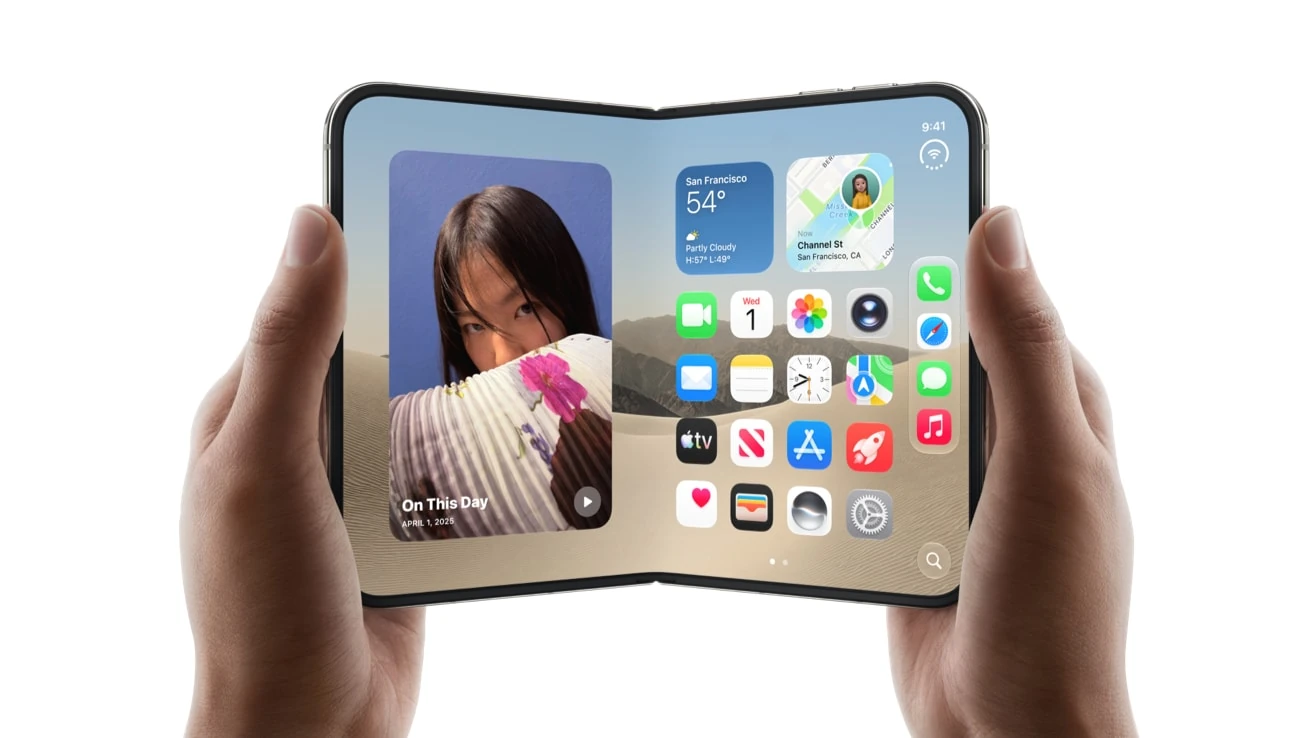
The iPhone 18 Pro is expected to feature a 6.3-inch display, while the Pro Max model would reportedly include a 6.9-inch screen. The foldable iPhone, commonly referred to as the iPhone Fold in industry reports, is projected to offer a 7.8-inch internal display and a sub-5.3-inch external screen when folded.
Camera Systems
Both Pro models are expected to include upgraded 18-megapixel front-facing cameras with six-element lenses. The rear camera systems on the Pro and Pro Max models would reportedly feature a 48-megapixel main camera with variable aperture and seven-element lens, a 48-megapixel periscope telephoto lens, and a 48-megapixel ultrawide camera with six elements.
The foldable model is projected to include dual 18-megapixel front cameras (one for each display state) and a simplified rear system with 48-megapixel main and ultrawide cameras, both featuring seven-element and six-element lenses respectively.
Authentication and Materials
A notable departure in the foldable model’s expected design is the reported absence of Face ID. According to Pu, the device would rely on Touch ID for biometric authentication instead. The Pro models are expected to continue using Face ID with structured light technology and reportedly feature a smaller Dynamic Island design.
Material choices reportedly differ across the lineup as well. The Pro models are expected to use aluminum casings, while the foldable iPhone would combine titanium and aluminum construction. This aligns with previous analyst reports suggesting a hybrid material approach for durability and weight management in a folding form factor.
Revised Launch Strategy
Apple is reportedly planning to launch only three iPhone models in fall 2026, a departure from its typical four-model strategy. The base iPhone 18, along with an iPhone 18e and second-generation iPhone Air, would reportedly arrive the following spring. This staggered release approach would represent a significant shift in Apple’s product launch cadence.
AI Processing Capabilities
The hardware upgrades across the iPhone 18 lineup are reportedly designed to support more advanced on-device AI processing. The move to N2 silicon manufacturing, WMCM packaging, and 12GB of LPDDR5 memory would theoretically provide the computational headroom needed for more sophisticated machine learning workloads.
Pu linked these specifications to Apple’s AI roadmap, suggesting the company expects to roll out enhanced Siri capabilities in 2026. Recent reports have indicated Apple’s partnership with Google to integrate Gemini technology into certain Siri features, though the full scope of these AI enhancements remains unconfirmed.
Context and Considerations
These projections should be viewed with appropriate caution. Analyst forecasts, particularly those made well in advance of product launches, are subject to change based on supply chain developments, competitive pressures, and Apple’s internal decision-making processes. Specifications, launch timing, and product positioning may shift significantly before any official announcement.
The foldable iPhone concept has circulated in industry reports for several years, with various timelines and specifications proposed. While patent filings and supply chain indicators suggest Apple has explored foldable display technology, the company has not confirmed any plans to release such a device.
FAQ
Q: When would the iPhone Fold reportedly launch?
A: According to analyst projections, a foldable iPhone model could launch in September 2026 alongside the iPhone 18 Pro and Pro Max. However, this timeline remains unconfirmed by Apple.
Q: Why would the foldable iPhone use Touch ID instead of Face ID?
A: The analyst report suggests Touch ID for the foldable model, though the reasoning is not specified. This could relate to the device’s form factor, display design, or other engineering considerations in a folding phone.
Q: Will all three models have the same processor and memory?
A: According to the projections, all three September 2026 models would feature the A20 Pro processor and 12GB of LPDDR5 memory, representing a uniform approach to processing capability across the lineup.
Q: What happened to the standard iPhone 18 model?
A: The report suggests Apple may delay the base iPhone 18 until spring 2027, launching it alongside an iPhone 18e and second-generation iPhone Air. This would represent a notable departure from Apple’s traditional launch pattern.
MacReview Verdict
These analyst projections paint an ambitious picture of Apple’s 2026 iPhone strategy, including the long-anticipated entry into foldable devices. The technical specifications suggest meaningful hardware upgrades focused on AI processing capabilities, while the staggered launch approach would represent a strategic shift in product timing. However, these remain analyst forecasts based on supply chain intelligence rather than confirmed Apple plans. The company’s actual product decisions may differ significantly, particularly for a product category as complex as foldable smartphones. Given Apple’s historical approach of entering new form factors only when the technology meets its quality and usability standards, prospective buyers should treat these timelines and specifications as possibilities rather than certainties until Apple makes official announcements.