Apple is reportedly developing a Siri chatbot that will rival ChatGPT, Claude, and Gemini, with plans to unveil it at WWDC in June 2026 as part of iOS 27. While details about capabilities and integration have emerged, one critical question remains unanswered: what will Apple charge for this service? The answer has significant implications for both Apple’s business model and the competitive AI landscape.
What the Siri Chatbot Will Do
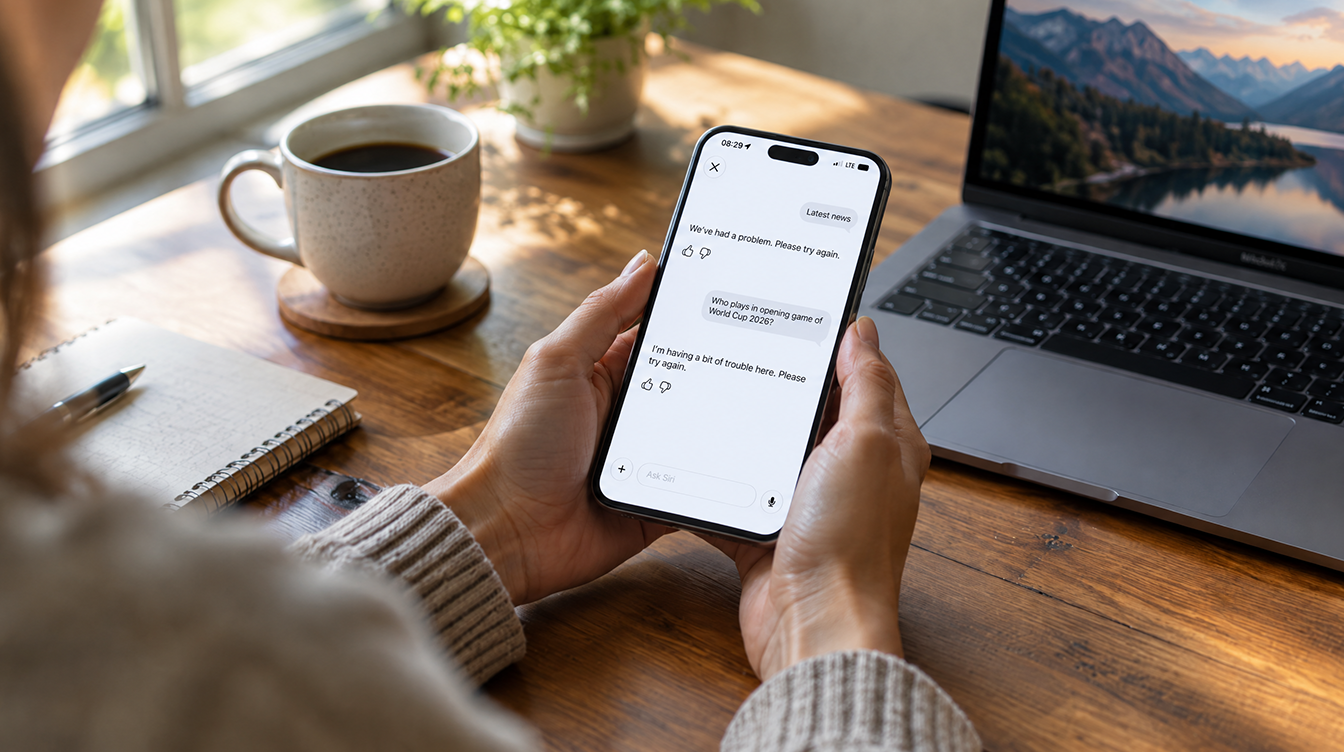
According to reports, the Siri chatbot will offer comprehensive functionality that matches or exceeds current market leaders. The service will reportedly be able to search the web for information, create content, generate images, summarize information, and analyze uploaded files. Beyond these standard chatbot capabilities, Apple plans to integrate the service deeply into its ecosystem, allowing it to control Apple devices and use personal data and on-screen information to complete tasks.
This deep integration represents a significant departure from standalone chatbot apps. Rather than offering a separate application, Apple reportedly plans to build the chatbot functionality directly into iOS, iPadOS, and macOS, making it accessible across billions of devices through the existing Siri interface.
The Infrastructure Challenge
On-Device vs. Cloud Processing
While some chatbot tasks can be completed on-device using Apple’s A-series and M-series chips, the full functionality will likely require substantial cloud infrastructure. Apple is reportedly using a custom AI model developed with the Google Gemini team, roughly comparable to Gemini 3. The full version of Gemini 3 cannot run on even high-end Mac hardware, suggesting that significant server resources will be necessary for the Siri chatbot.
Apple has been building Private Cloud Compute servers for AI features, but it may not have sufficient capacity for a chatbot deployed across its entire user base. Reports suggest Apple is discussing running its chatbot on Google servers, which would involve ongoing costs that Google would not absorb without compensation.
The Cost of AI at Scale
The financial implications of running a chatbot at Apple’s scale are substantial. OpenAI, despite charging for its services, is not yet profitable and reportedly spends billions annually on inference. The company has committed to spending $1.4 trillion on infrastructure to meet demand. Google spent $85 billion on infrastructure to meet AI demand in 2025, and the company reported that the median Gemini Apps text prompt uses 0.24 watt-hours of energy. At scale, electricity costs alone reach hundreds of millions of dollars per year.
Every question Siri is asked and every image it generates will carry a cost for Apple, whether the company uses its own servers or partners with Google for compute resources.
Possible Pricing Models
The Free and Premium Tier Approach
Google has already integrated Gemini into Pixel smartphones and Android devices using a split-tier system that Apple may adopt. Android users have access to a free version of Gemini that can answer questions, summarize text, write emails, and control apps and smartphone features. Access to Gemini Advanced, which offers better reasoning, longer context for analyzing larger documents, and improved coding, requires a $20 monthly subscription.
Apple could implement a similar model, offering a basic version of the Siri chatbot accessible to all users, with more advanced capabilities available through a subscription. This approach mirrors Apple’s existing iCloud strategy, which provides 5GB of cloud storage free but charges for additional capacity.
Competitive Pricing Landscape
If Apple does charge for advanced Siri chatbot features, pricing will likely align with current market rates. The AI industry has largely settled on a $20 monthly price point for premium tiers, though it remains unclear whether this pricing is sustainable given rising costs for training new models and supporting growing user bases.
Current premium AI chatbot pricing includes:
- ChatGPT Plus: $20 per month
- Microsoft Copilot Pro: $20 per month
- Gemini Advanced: $19.99 per month
- Claude Pro: $20 per month
- Perplexity Pro: $20 per month
A Temporary Free Period
Apple may choose to make its Siri chatbot free initially to attract users who are currently paying for competing services. Offering the service without charge for a year or two, or even undercutting current market prices, would likely draw customers and establish Apple as an immediate key player in the AI market. This strategy would be costly in the short term but could pay dividends in market share and ecosystem lock-in.
Currently, Apple Intelligence features, including images generated with Image Playground, are entirely free to use. However, these capabilities are limited compared to what the Siri chatbot is expected to offer, and some functionality runs on-device, reducing infrastructure costs.
Impact on Existing Partnerships
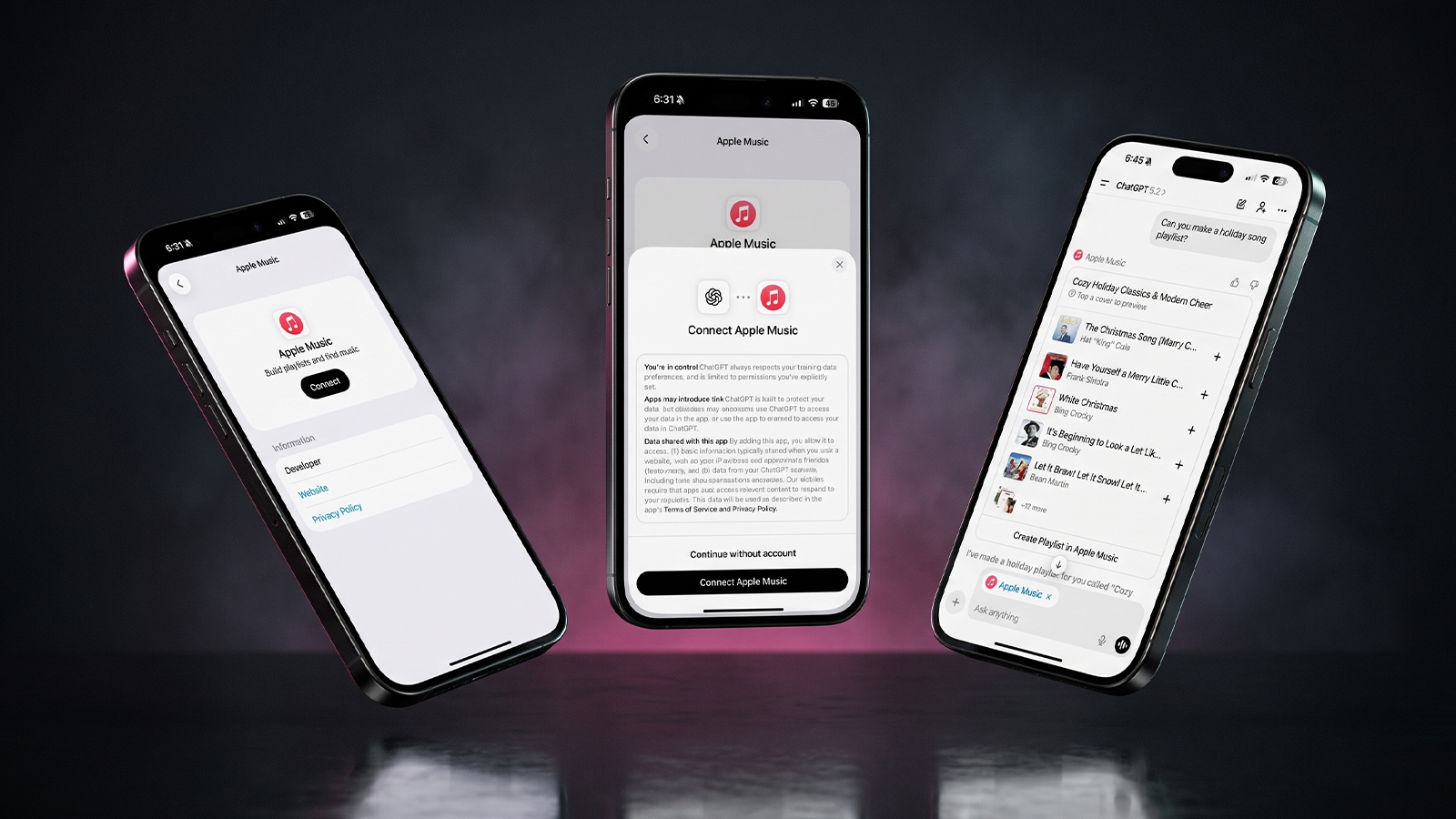
Apple currently has a partnership with OpenAI to hand complex requests off to ChatGPT. Apple does not pay OpenAI for this feature but instead provides ChatGPT with exposure to millions of Apple users. When Apple launches its own Siri chatbot, the ChatGPT integration may be removed or significantly reduced.
This change could also affect Apple’s legal situation with Elon Musk’s xAI company, which has sued Apple and OpenAI for allegedly colluding to promote ChatGPT over other AI assistants like Grok. If Apple stops offering ChatGPT through Siri in favor of its own solution, the situation would be comparable to Google integrating Gemini into Android devices or Meta limiting its smart glasses to Meta AI.
Timeline and Expectations
Apple is expected to unveil the Siri chatbot functionality in June 2026 at WWDC as part of iOS 27, iPadOS 27, and macOS 27. The public release of these operating systems typically occurs in September, meaning consumers may have access to the new Siri capabilities by fall 2026.
More details about pricing, capabilities, and device compatibility will likely emerge in the months leading up to WWDC. Apple’s approach to monetizing the Siri chatbot will set an important precedent for how the company balances its traditionally integrated, consumer-friendly approach with the substantial costs of providing cutting-edge AI services.
FAQ
Q: Will the Siri chatbot work on all Apple devices?
A: Device compatibility has not been officially confirmed. Given that the chatbot is expected to debut with iOS 27, iPadOS 27, and macOS 27, it will likely require devices capable of running those operating systems. Some features may require newer hardware with sufficient processing power for on-device AI tasks.
Q: When will Apple announce pricing for the Siri chatbot?
A: Apple has not confirmed any pricing details. If the company follows its typical pattern, pricing information would be announced at WWDC in June 2026 when iOS 27 is previewed, or possibly closer to the public release in September 2026.
Q: How will the Siri chatbot differ from current Apple Intelligence features?
A: The Siri chatbot is expected to offer more advanced capabilities than current Apple Intelligence features, including web search, content creation, image generation, file analysis, and deeper integration with apps and personal data. Current Apple Intelligence features are more limited in scope and run primarily on-device.
Q: Will Apple continue to offer ChatGPT integration after launching its own chatbot?
A: Apple has not confirmed whether the existing ChatGPT integration will continue once the Siri chatbot launches. Reports suggest the ChatGPT integration may be removed or reduced as Apple promotes its own solution.
MacReview Verdict
Apple faces a complex decision about how to price its Siri chatbot. The company has historically avoided charging separately for core system features, but the infrastructure costs of running an advanced AI chatbot at scale may make some form of monetization necessary. A tiered approach, similar to iCloud storage or Google’s Gemini model, appears most likely. This would provide basic chatbot functionality to all users while reserving the most advanced features for subscribers.
Whether Apple chooses to offer a temporary free period to build market share or immediately implements subscription pricing will depend on the company’s strategic priorities and confidence in the product’s competitive advantages. Given Apple’s emphasis on privacy and deep ecosystem integration, the Siri chatbot may offer sufficient differentiation to justify premium pricing, particularly if the service provides capabilities that competitors cannot match within Apple’s walled garden.
For consumers, the key question is whether Apple can deliver meaningful value beyond what free or lower-cost alternatives provide. If the Siri chatbot’s integration with Apple devices, services, and personal data creates genuinely useful capabilities that justify a subscription, users may be willing to pay. If the differences are primarily cosmetic or the service feels like a repackaged version of existing chatbots, Apple may struggle to convince consumers to add another monthly payment to their budgets.