
Apple’s iPhone 18 Pro is reportedly shaping up to be one of the most significant upgrades in recent years, with numerous rumored improvements spanning design, camera technology, and internal components. With reports suggesting a shifted release strategy and substantial hardware changes, here’s what we know so far about what could make the iPhone 18 Pro worth the wait.
Revised Release Strategy for 2026
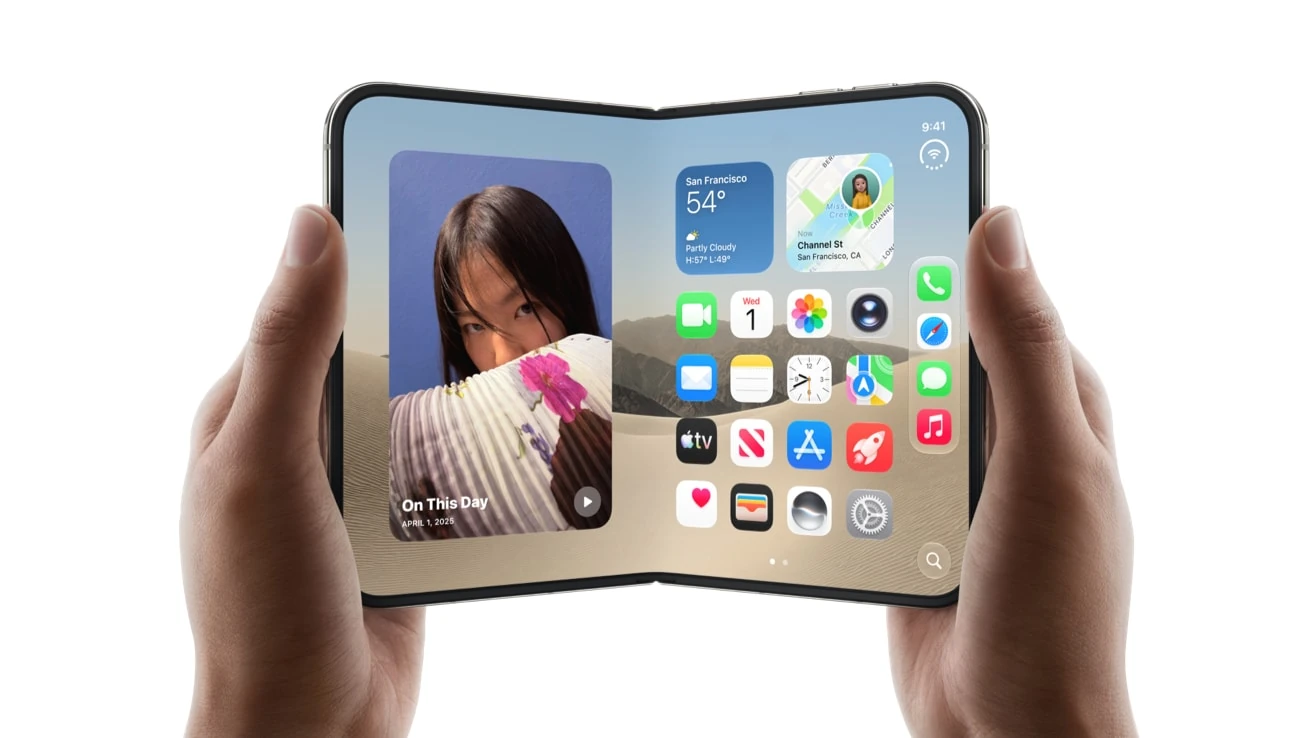
Apple is reportedly planning a major shift in its iPhone release cycle this year. According to current reports, the company may adopt a two-phase rollout starting with the iPhone 18 series. The iPhone 18 Pro, iPhone 18 Pro Max, and a rumored foldable iPhone model are expected to launch in September 2026, with the standard iPhone 18 and iPhone 18e potentially following in spring 2027. This would mark a significant departure from Apple’s traditional annual release pattern.
Design and Display Refinements
Familiar Form Factor With Subtle Changes
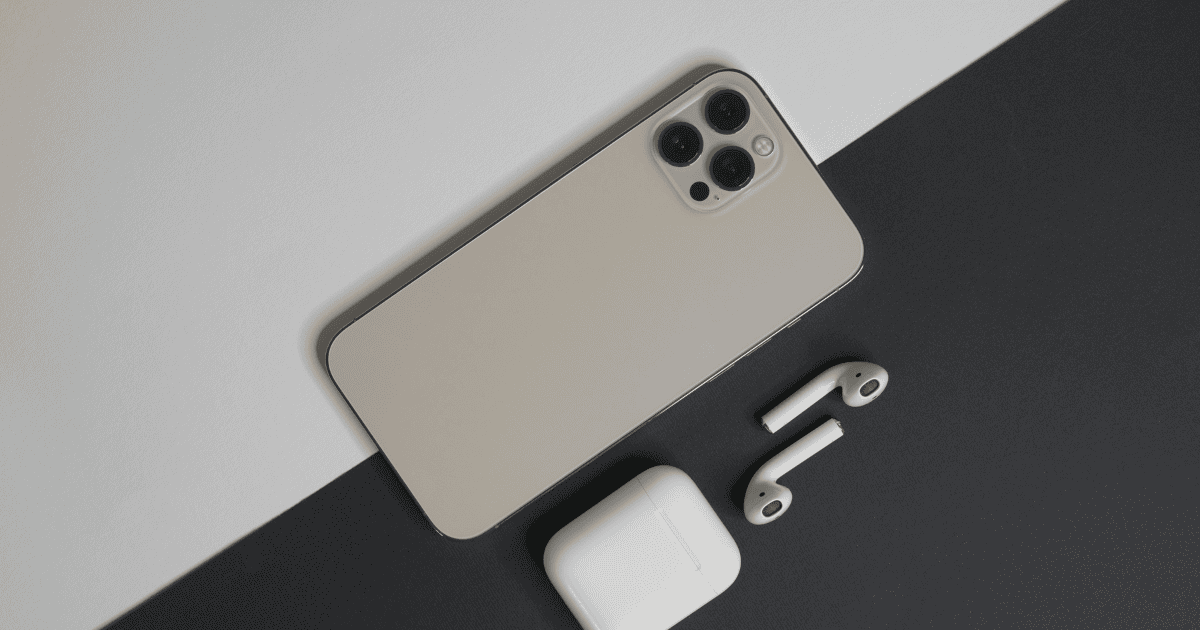
The iPhone 18 Pro lineup is expected to largely retain the design language of the iPhone 17 Pro models, including the raised camera plateau housing three lenses in a triangular arrangement. Display sizes are likely to remain at 6.3 inches for the iPhone 18 Pro and 6.9 inches for the Pro Max, matching the dimensions introduced with the iPhone 16 Pro series.
One reported aesthetic change involves the rear casing. Apple has apparently refined the back glass replacement process to minimize the color difference between the Ceramic Shield 2 glass and aluminum frame, potentially creating a more unified appearance compared to the two-tone look found on the iPhone 17 Pro.
Slightly Thicker Chassis
Reports suggest the iPhone 18 Pro Max may feature a slightly thicker body compared to its predecessor, potentially raising the device weight to approximately 243 grams. This would make it roughly 3 grams heavier than the iPhone 14 Pro Max, currently Apple’s heaviest iPhone. While the exact reason remains unconfirmed, a larger battery capacity is the most plausible explanation for this dimensional change.
Dynamic Island Evolution
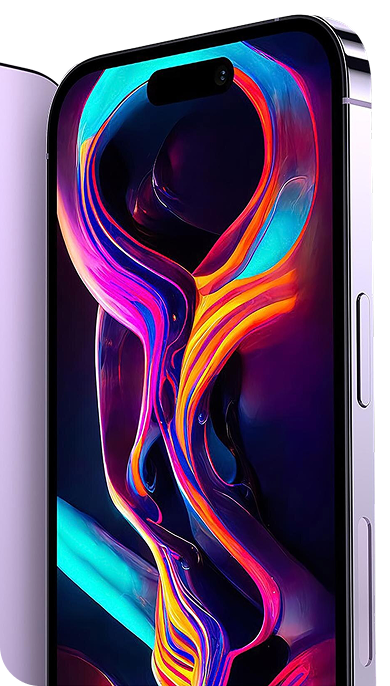
The status of under-display Face ID technology for the iPhone 18 Pro remains uncertain, with conflicting reports from industry sources. One report suggests Apple is targeting a design without a Dynamic Island, replacing it with a single pinhole camera in the upper-left corner of the screen. However, display analyst Ross Young and Bloomberg’s Mark Gurman have both indicated that a smaller Dynamic Island will likely remain present rather than being eliminated entirely.
Apple is also reportedly testing camera miniaturization technology to reduce the size of the front-facing camera currently housed within the Dynamic Island. The consensus among sources suggests Apple may be refining the Dynamic Island before transitioning to a fully all-screen design in future generations.
Performance and Connectivity Advances
A20 Chip Built on 2nm Process
The iPhone 18 Pro models are expected to feature Apple’s A20 chip, manufactured using TSMC’s 2nm fabrication process. The move to 2nm technology increases transistor density, potentially delivering approximately 15 percent faster performance and about 30 percent better power efficiency compared to the A19 series used in iPhone 17 models.
The A20 chip is expected to be packaged with TSMC’s Wafer-Level Multi-Chip Module technology, which may integrate RAM directly onto the same wafer as the CPU, GPU, and Neural Engine. This architecture could contribute to faster overall performance, improved Apple Intelligence capabilities, and enhanced battery efficiency.
Apple’s C2 Modem
Supply chain analyst Jeff Pu reports that Apple plans to include its next-generation C2 modem in the iPhone 18 Pro models. This would succeed the C1 modem that debuted in the lower-cost iPhone 16e and the C1X modem in the iPhone Air. The C2 is expected to deliver faster speeds, improved power efficiency, and support for mmWave 5G in the United States, a feature absent from earlier Apple-designed modems.
This modem represents another step in Apple’s long-term strategy to reduce dependence on Qualcomm, which currently supplies 5G modems for much of the iPhone lineup.
5G Satellite Internet Capability
According to a report from The Information, Apple may add support for 5G networks operating via satellites rather than terrestrial towers as early as 2026. This advancement would potentially allow future iPhones to access full internet connectivity through satellite connections, expanding beyond the limited emergency features currently available. If this timeline proves accurate, the iPhone 18 Pro models would likely be among the first devices to feature this capability, though no service provider has been identified.
Camera System Enhancements
New Three-Layer Image Sensor
Samsung is reportedly developing a new three-layer stacked image sensor specifically for the iPhone 18, according to sources. The sensor, referred to as PD-TR-Logic, integrates three layers of circuitry and could improve camera responsiveness, reduce noise, and increase dynamic range. If accurate, this would represent a significant shift in Apple’s camera supply chain, as Sony has been the company’s sole image sensor supplier for years.
Variable Aperture Lens
Multiple sources suggest Apple intends to equip the iPhone 18 Pro models with a variable aperture lens for the main rear camera. This would be a first for the iPhone lineup. A variable aperture system physically adjusts the lens opening, allowing more light in for low-light photography or narrowing the opening for brighter scenes and greater depth of field.
The main cameras on recent Pro models have used a fixed ƒ/1.78 aperture. With a variable lens, the iPhone 18 Pro would reportedly allow manual aperture adjustment similar to DSLR cameras, providing greater control over depth of field and focus characteristics.
User Interface Changes
Simplified Camera Control Button
Apple is reportedly working to simplify the Camera Control button design on iPhone 18 models, primarily to reduce manufacturing costs. The current implementation on iPhone 17 models uses both capacitive and pressure sensors beneath a sapphire crystal surface. The capacitive layer detects touch gestures while the force sensor recognizes different pressure levels.
According to reports, Apple may remove the capacitive sensing layer and retain only pressure sensing recognition in the second-generation button. This change is not expected to reduce functionality but rather address the reportedly high costs associated with the current solution and expensive after-sales repairs.
New Color Options in Testing
Apple is rumored to be testing three new color options for the iPhone 18 Pro models: burgundy, brown, and purple. A burgundy finish would mark the first time Pro and Pro Max models have been offered in any shade of red, aside from the lighter PRODUCT(RED) used on earlier devices. The iPhone 14 Pro and iPhone 14 Pro Max were previously available in Deep Purple, while Apple has never released an iPhone in a brown color.
FAQ
Q: When is the iPhone 18 Pro expected to be released?
A: The iPhone 18 Pro and iPhone 18 Pro Max are reportedly expected to launch in September 2026, though Apple has not confirmed any release dates. Reports suggest the standard iPhone 18 models may follow in spring 2027.
Q: Will the iPhone 18 Pro have under-display Face ID?
A: Reports remain conflicting on this feature. Some sources suggest a pinhole camera design without a Dynamic Island, while others indicate a smaller Dynamic Island will remain present. The technology appears to still be in development, and Apple has not confirmed implementation plans.
Q: What is the expected price range for the iPhone 18 Pro?
A: No pricing information has been reported for the iPhone 18 Pro models at this time. Apple typically announces pricing closer to the official launch date.
Q: Will the iPhone 18 Pro support satellite internet connectivity?
A: According to one report, Apple is working on 5G satellite internet support that could arrive as early as 2026, potentially making the iPhone 18 Pro among the first devices with this capability. However, this remains unconfirmed and no service provider has been identified.
MacReview Verdict
The iPhone 18 Pro appears positioned to deliver meaningful upgrades across multiple areas, from the efficiency gains of the 2nm A20 chip to potentially transformative camera improvements like variable aperture and advanced image sensors. The reported addition of Apple’s C2 modem and possible satellite internet support would represent significant connectivity advancements, while the refined Dynamic Island design could move Apple closer to its presumed goal of an all-screen display.
However, prospective buyers should approach these reports with appropriate caution. Many details remain unconfirmed, timelines are subject to change, and Apple’s actual implementation may differ from current expectations. The reported shift in release strategy, if accurate, would also represent a notable departure from Apple’s established pattern, suggesting the company may be navigating product development challenges or strategic priorities we cannot yet fully assess.
For users considering an upgrade, the decision ultimately depends on individual needs and current device age. Those with iPhone 15 Pro or newer models may find the incremental improvements less compelling, while users with older devices could see substantial benefits from the accumulated advances. As always, waiting for official announcements and independent reviews remains the most prudent approach before making any purchasing decision.