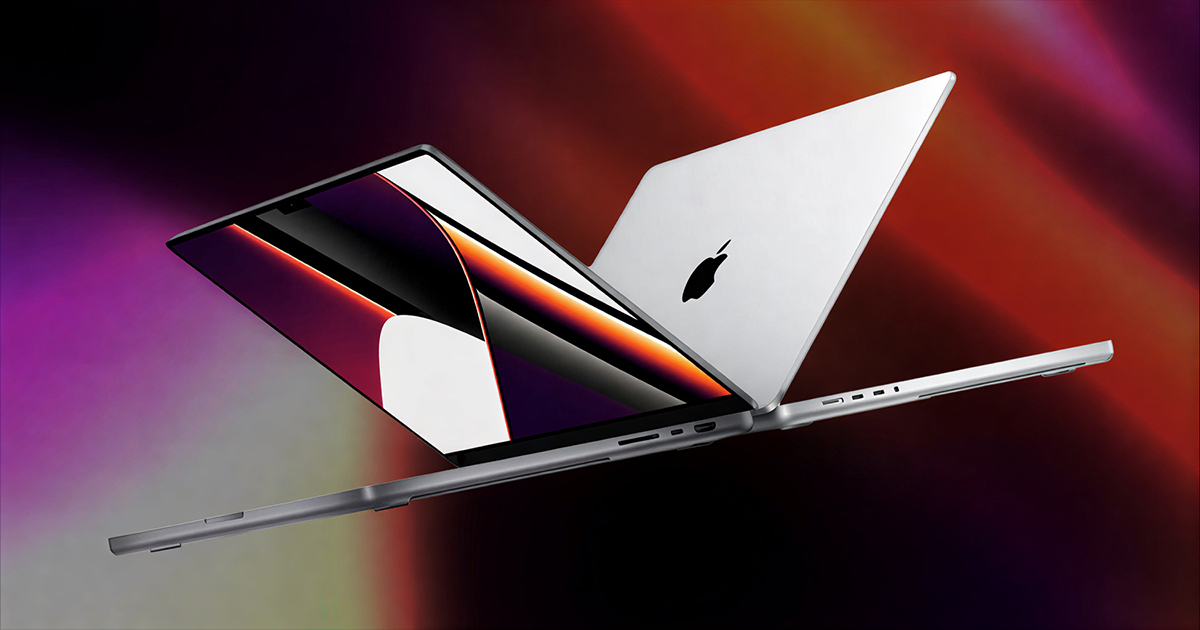
Nearly a decade after introducing its first 120Hz ProMotion display on the 2017 iPad Pro, Apple continues to reserve higher refresh rates for premium models. With the company finally bringing 120Hz to the base iPhone 17 in 2025, it’s time to examine whether this artificial product segmentation still makes sense for mid-range devices like the MacBook Air and iPad Air.
The ProMotion Timeline and Current State
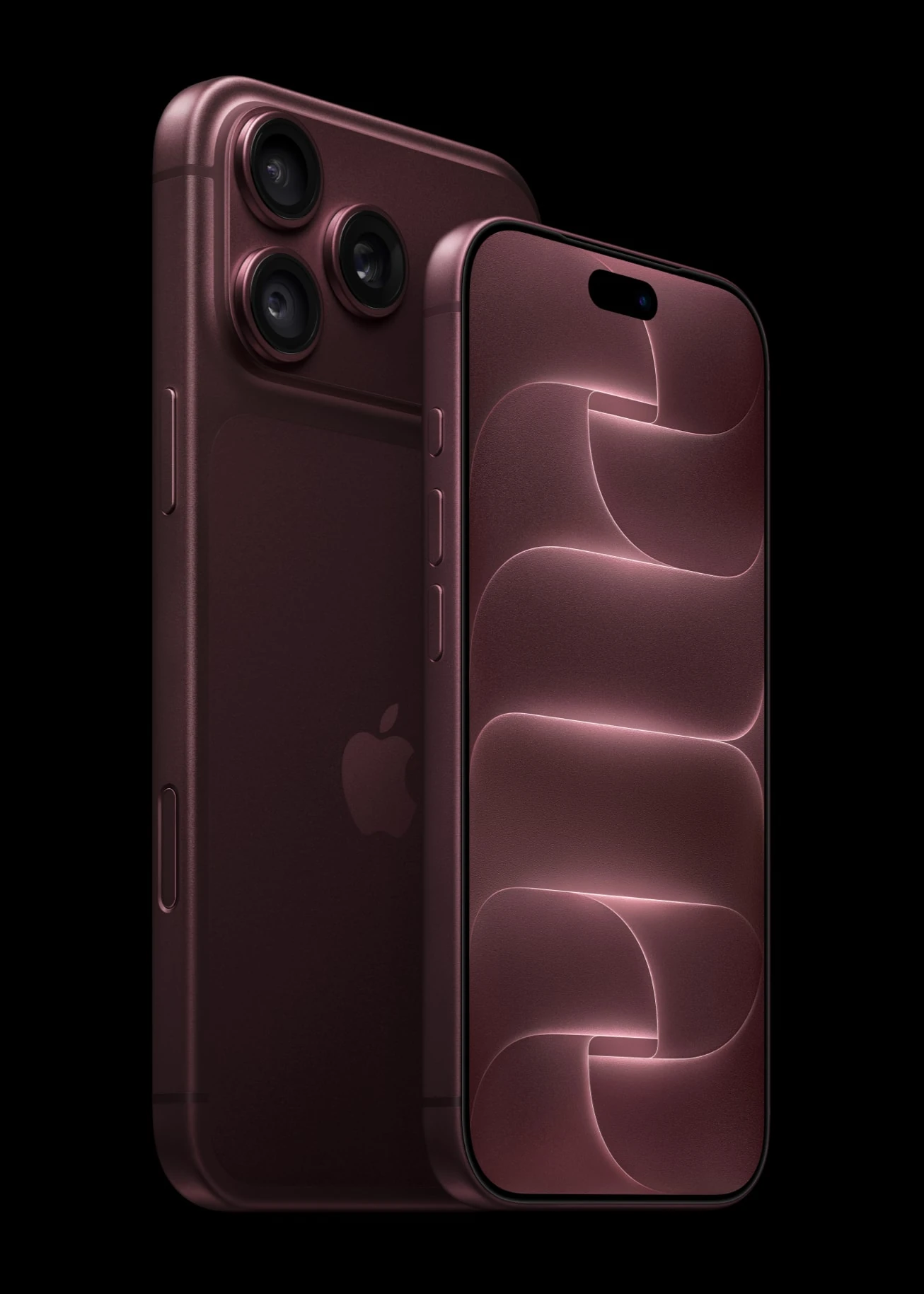
Apple introduced its 120Hz ProMotion technology with the 10.5-inch iPad Pro in 2017, marketing it as a flagship feature that delivered smoother scrolling and more responsive interactions. The technology eventually made its way to iPhone 13 Pro in 2021, but remained exclusive to Pro models for four years until the iPhone 17 base model finally received it in 2025.
Today, several of Apple’s mid-range products continue shipping with 60Hz displays despite their premium pricing. The iPad Air starts at $599 for the 11-inch model and $799 for the 13-inch version, while the MacBook Air begins at $999. These price points place them firmly in the premium category, yet they offer the same refresh rate as budget Android devices and Windows laptops costing significantly less.
The Product Segmentation Problem
Apple’s current pricing structure creates substantial gaps between product tiers. The difference between iPad Air and iPad Pro models ranges from $400 to $600 depending on screen size. For the MacBook line, the gap between the $999 MacBook Air and the $1,599 MacBook Pro represents a $600 premium.
Price Gaps That Limit Cross-Shopping
These pricing differences are substantial enough that few consumers genuinely cross-shop between the tiers. Buyers who need specific Pro features like Tandem OLED displays or the latest Apple Silicon will likely purchase Pro models regardless. Conversely, customers with fixed budgets are unlikely to stretch an additional $400 to $600 primarily for a higher refresh rate display.
This dynamic differs from 2022, when the 11-inch iPad Pro cost $799 compared to $599 for the iPad Air. That $200 gap made feature-based upselling more plausible. Today’s larger price differences suggest that withholding 120Hz from mid-range models serves primarily to maintain artificial product differentiation rather than to drive meaningful upgrade revenue.
Industry Standards and User Experience
While some argue that average consumers don’t consciously notice refresh rate differences, the impact on perceived device responsiveness is measurable. Higher refresh rates contribute to a smoother overall experience, making devices feel faster even when users can’t identify the specific technical reason.
Across the broader laptop market, most $999 Windows devices now include 120Hz or higher refresh rate displays as standard features. Apple has historically distinguished itself by implementing small details that meaningfully enhance user experience. The continued use of 60Hz displays in premium mid-range products appears inconsistent with this philosophy, particularly given that the technology has been in Apple’s product lineup for nearly a decade.
The Cost Consideration
Manufacturing costs for 120Hz LCD panels have decreased substantially since 2017. While Apple does not publish component pricing, industry analysis suggests that incorporating higher refresh rate displays into products like the MacBook Air and iPad Air would represent a relatively modest increase in bill of materials costs. For a company with Apple’s profit margins and brand positioning, this cost difference appears unlikely to materially impact product viability.
Budget Products vs. Mid-Range Offerings
Apple’s continued use of 60Hz displays may be appropriate for true budget offerings. The base iPad at $349 represents the company’s entry-level tablet, and reports suggest a budget MacBook with A18 chip may launch at a significantly lower price point than the current MacBook Air. For these value-focused products, 60Hz displays align with their market positioning.
However, products priced at $599 to $999 occupy a different market segment. These devices compete in the premium category where customer expectations have evolved. The 2017 iPad Pro offered 120Hz at $649, making today’s $599-799 iPad Air with 60Hz displays appear to deliver less capability at similar or higher inflation-adjusted prices.
Alternative Approaches
If Apple wishes to maintain clear product tier differentiation, intermediate refresh rates could serve this purpose. A 90Hz display for mid-range products would provide noticeably improved responsiveness compared to 60Hz while still reserving 120Hz ProMotion for Pro models. Several Android manufacturers have successfully implemented this tiered approach across their product lines.
MacReview Verdict
After nearly a decade of ProMotion technology in its premium products, Apple’s continued restriction of higher refresh rates to Pro models appears increasingly difficult to justify for mid-range offerings. The substantial price gaps between product tiers mean that 120Hz displays are unlikely to drive significant cannibalization of Pro model sales. Meanwhile, the user experience benefits are clear, and manufacturing costs have decreased substantially since 2017.
For a company that has built its reputation on attention to detail and premium user experiences, the persistence of 60Hz displays on $599-999 products seems inconsistent with Apple’s broader design philosophy. Whether through full 120Hz implementation or intermediate refresh rates like 90Hz, it’s time for Apple to bring its mid-range display technology in line with both industry standards and customer expectations at these price points.
The iPhone 17’s adoption of 120Hz across all models suggests Apple may be reconsidering its approach to display technology segmentation. Extending this philosophy to iPad Air and MacBook Air would represent a logical next step that meaningfully improves these products without undermining the value proposition of Pro models, which offer numerous other differentiating features beyond refresh rates alone.