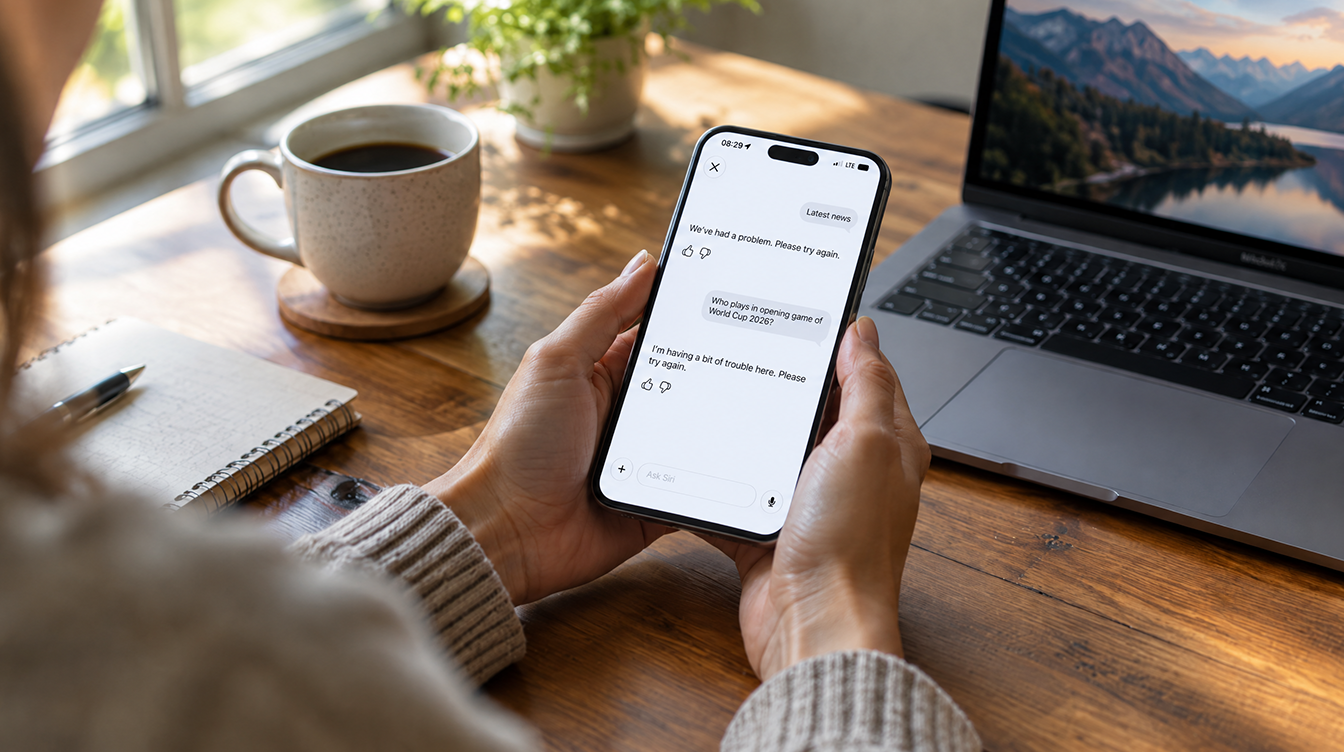

Many iPhone and Mac users question whether reporting spam actually accomplishes anything. The lack of visible results after tapping “Report Junk” has led to widespread skepticism about these features. Apple provides limited public information about what happens after a spam report is submitted, but the system is more effective than most users realize.
Why Spam Reporting Feels Ineffective
The core issue with spam reporting is transparency. Users rarely observe an immediate decline in unwanted messages after submitting reports, leading many to abandon the feature entirely. This problem extends beyond Apple to spam reporting systems across the technology industry. Without clear feedback or visible results, the action feels futile, similar to pressing a placebo button that produces no discernible outcome.
Apple does maintain a support document explaining how to report various types of spam, but it stops short of detailing what the company does with that data once collected. Understanding the backend processes can help users appreciate why their reports matter.
How Apple Uses Your Spam Reports
When users report suspicious emails, messages, or FaceTime calls, they provide threat intelligence that Apple uses to strengthen security across its ecosystem. Each report contributes to several protective mechanisms working behind the scenes.
Machine Learning Filter Enhancement
Moving an email to the Junk folder in an iCloud account reportedly trains Apple’s server-side machine learning systems in real time. The system analyzes patterns including message headers, keyword usage, and sender IP addresses. This data helps the platform automatically block similar spam for other users before it reaches their inboxes. Users should avoid opening suspected junk mail, as doing so may alert spammers that the email address is active and monitored.
Domain Flagging and Takedown Coordination
When Apple receives multiple reports about the same sender or domain, the company can flag it internally and reportedly coordinate with domain registrars to pursue takedowns of malicious sites. This collective approach demonstrates how individual reports gain significance when aggregated across a large user base.
iMessage and FaceTime Network-Level Blocking
Reports submitted through iMessage and FaceTime feed into Apple’s security infrastructure. Flagged phone numbers and accounts can reportedly be blocked at the network level, preventing malicious actors from reaching additional Apple users even before messages are delivered. This proactive blocking happens upstream from individual devices.
The Collective Impact of Individual Reports
A single spam report may not trigger immediate visible changes, but the cumulative effect of thousands or millions of reports shapes Apple’s filtering systems, blocklists, and machine learning models. Phone carriers also benefit from aggregated data when determining which numbers and domains to restrict.
The reporting mechanism operates more like a voting system than a direct complaint channel. Each report adds weight to threat assessments that inform automated security decisions across the platform.
Room for Improvement in User Experience
Apple has made few changes to its spam reporting interface and feedback mechanisms since the features launched. The company could enhance user confidence by providing more transparency about what happens after reports are submitted, or by offering periodic summaries showing how user reports contributed to security improvements.
Despite the lack of visible feedback, the underlying system is functional and actively processes submitted reports. The perception that spam reporting accomplishes nothing stems from communication gaps rather than technical ineffectiveness.
FAQ
Q: Does reporting spam on iPhone actually reduce the amount of junk I receive?
A: Individual reports contribute to broader filtering improvements that benefit all users over time. While you may not see immediate personal results, your reports help train Apple’s systems to block similar spam for the entire user base.
Q: Should I open suspicious emails before reporting them as junk?
A: No. Opening suspected junk mail can alert spammers that your email address is active. Move suspicious messages directly to your Junk folder without opening them.
Q: What happens when I use “Delete and Report Junk” in iMessage?
A: The report feeds into Apple’s security systems, which can reportedly block flagged numbers at the network level, preventing those senders from reaching other Apple users.
MacReview Verdict
Apple’s spam reporting system works more effectively than its lack of user feedback suggests. While the company could significantly improve transparency and user confidence through better communication, the underlying mechanisms do process and act on submitted reports. Each report contributes meaningful data to machine learning models, blocklists, and coordinated takedown efforts that protect the broader Apple ecosystem. Users who continue reporting spam are actively participating in collective security improvements, even when individual results are not immediately visible. The system deserves continued use, but also deserves better explanation from Apple about its real-world impact.