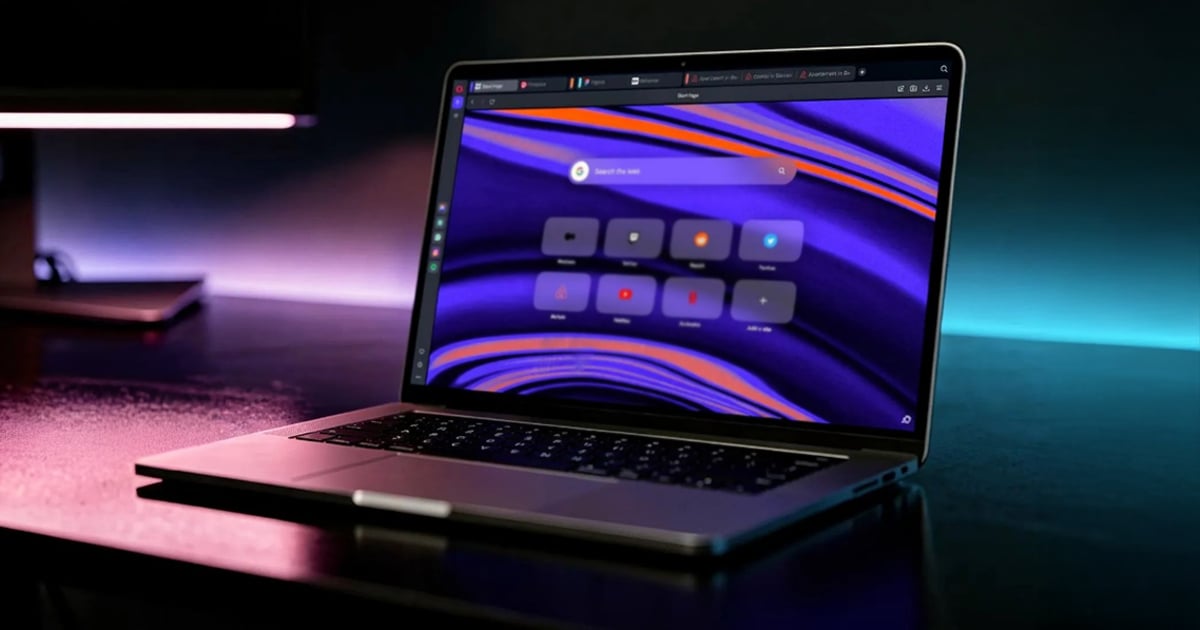
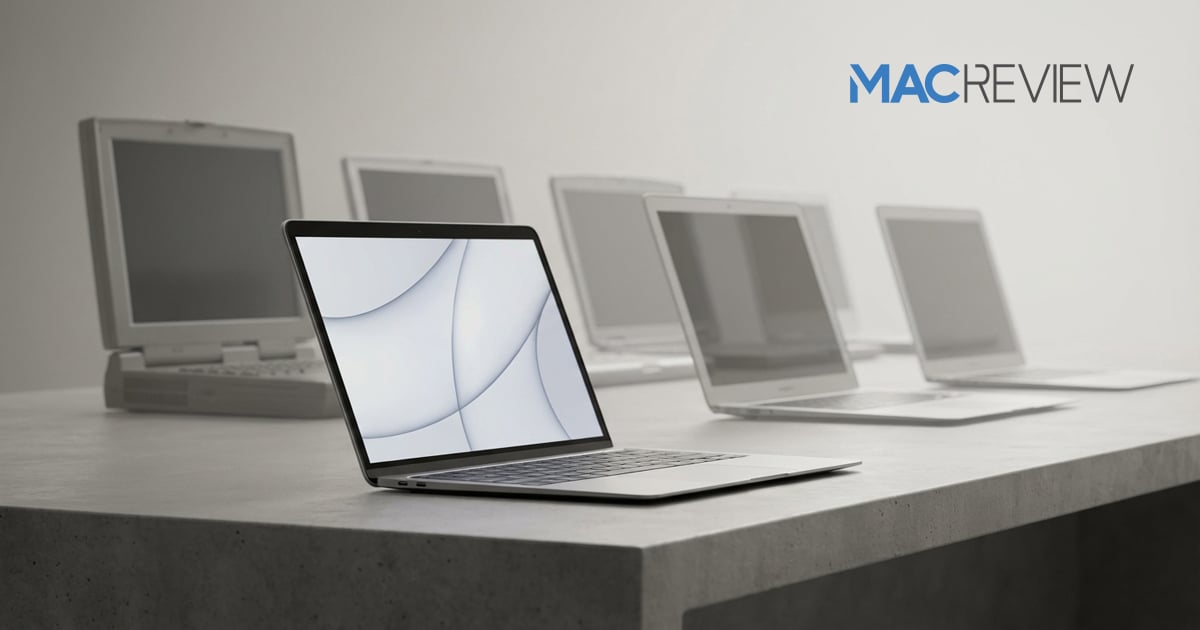
Apple’s MacBook Pro celebrates its 20th anniversary this month, marking two decades since Steve Jobs unveiled the professional laptop as a “One More Thing” moment at Macworld San Francisco on January 10, 2006. The MacBook Pro represented a pivotal transition from PowerPC to Intel processors and established a naming convention that remains central to Apple’s product lineup today.
The Original MacBook Pro Debut
The MacBook Pro replaced the PowerBook line as Apple’s flagship professional laptop, coinciding with the company’s shift to Intel Core processors. Initially available only in a 15-inch configuration, the original model featured a widescreen display at 1,440 by 900 pixel resolution. Two configurations launched at announcement: a $1,999 base model with a 1.67GHz Core Duo processor, 512MB of RAM, and an 80GB hard drive, and a higher-end $2,499 model with a 1.83GHz processor, 1GB of RAM, and a 100GB hard drive.
By the time units began shipping one month later, Apple had already upgraded the available processors to 1.83GHz and 2.0GHz, with a 2.16GHz build-to-order option. A 17-inch model followed several months after the initial launch, expanding the professional lineup.
Evolution Through Design and Features
Over 20 years, the MacBook Pro has undergone substantial transformations. The 13-inch aluminum MacBook debuted in October 2008 and was folded into the MacBook Pro lineup by 2009, establishing the three-size format that persisted for years.
Key innovations introduced throughout the product’s history include built-in webcams, the MagSafe magnetic power connector, aluminum unibody construction, and high-resolution Retina displays. These additions enhanced both functionality and design aesthetics, cementing the MacBook Pro’s reputation among creative professionals.
Controversial Changes and Lessons Learned
Not every innovation resonated with users. The Touch Bar, which replaced traditional function keys, generated mixed reactions and was eventually discontinued. The butterfly-mechanism keyboard proved even more problematic, with widespread failures leading to an extended repair program and multiple class action lawsuits. Apple ultimately returned to a more traditional scissor-switch keyboard mechanism in response to user feedback.
The Apple Silicon Revolution
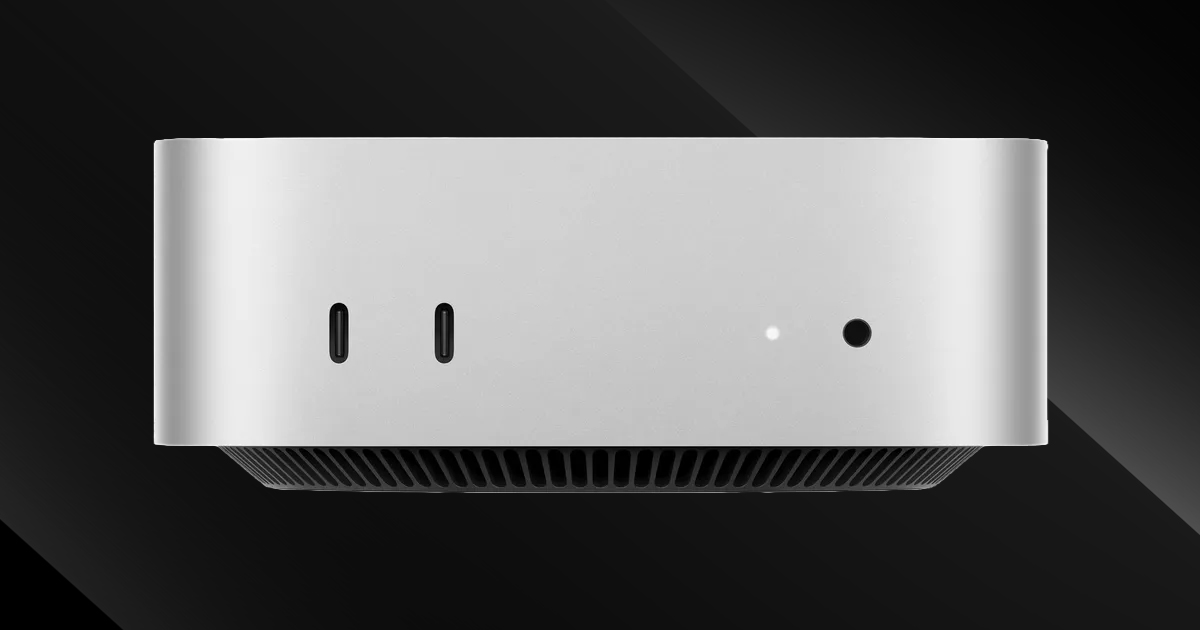
In 2020, the 13-inch MacBook Pro became one of three Mac models to receive Apple’s custom M1 chip, alongside the MacBook Air and Mac mini. This transition away from Intel processors represented a generational shift comparable to the original move from PowerPC to Intel that birthed the MacBook Pro name.
Apple silicon freed the company from Intel’s release cadence and enabled tighter hardware-software integration. The result has been significant improvements in both performance and power efficiency, with professional users benefiting from longer battery life and faster processing capabilities.
What’s Next for MacBook Pro
Looking ahead, the next major evolution for the MacBook Pro is reportedly coming soon. According to industry reports, higher-end models are expected to receive a substantial redesign in late 2026 or early 2027. Anticipated changes include:
- OLED display technology
- Touchscreen functionality
- A Dynamic Island-style cutout similar to recent iPhones
- Thinner and lighter chassis designs
These rumored updates would represent the most significant design overhaul since the current generation launched, potentially redefining what users expect from a professional laptop. However, Apple has not confirmed any of these specifications or timelines.
FAQ
Q: When did Apple transition the MacBook Pro to its own processors?
A: Apple introduced the first Apple silicon MacBook Pro in 2020 with the M1 chip, transitioning away from Intel processors after 14 years. This represented the second major processor architecture change in the MacBook Pro’s history.
Q: What happened to the Touch Bar on MacBook Pro models?
A: Apple discontinued the Touch Bar with the introduction of redesigned MacBook Pro models featuring Apple silicon. The feature, which replaced physical function keys, received mixed reviews during its tenure and was ultimately removed in favor of traditional function row keys.
Q: When are OLED MacBook Pro models expected to launch?
A: According to current reports, MacBook Pro models with OLED displays are expected to arrive in late 2026 or early 2027, though Apple has not officially confirmed these timelines or specifications.
MacReview Verdict
Twenty years after its introduction, the MacBook Pro remains central to Apple’s product strategy and continues to define the professional laptop category. From its origins as a rebranded PowerBook with Intel processors to today’s Apple silicon powerhouses, the MacBook Pro has consistently evolved while maintaining its core identity. The transition to Apple’s own chips has proven particularly transformative, delivering performance gains that once seemed implausible while extending battery life significantly. As the MacBook Pro enters its third decade, rumored additions like OLED displays and touchscreen functionality suggest Apple remains committed to pushing the platform forward, though the company’s track record shows it will only implement changes when the technology meets its exacting standards.