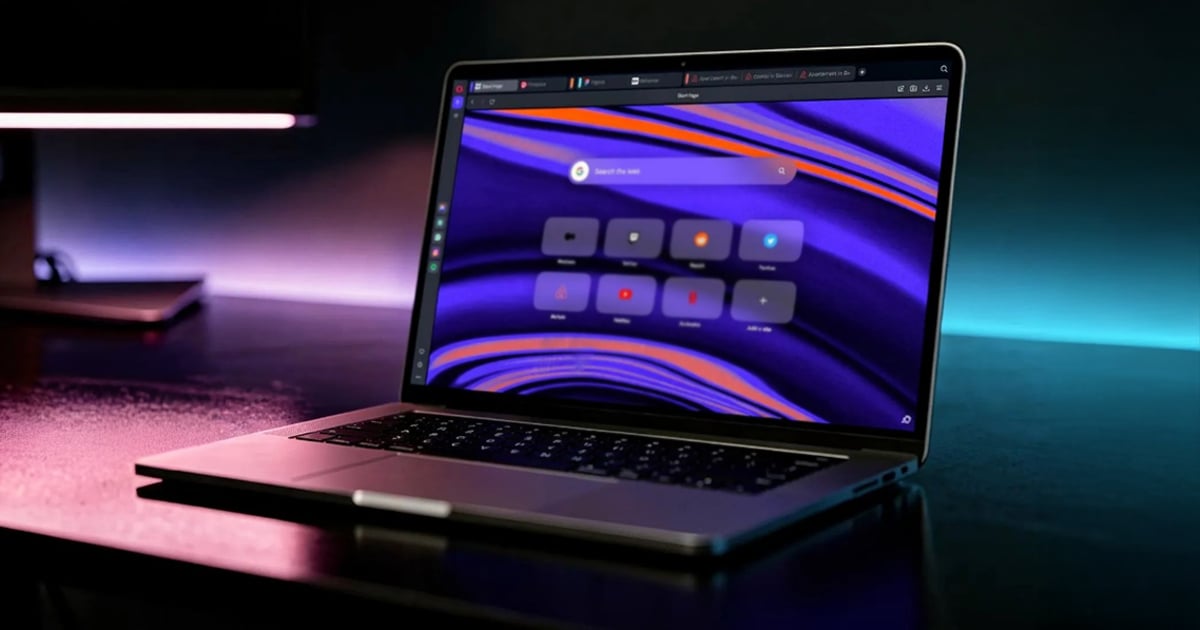
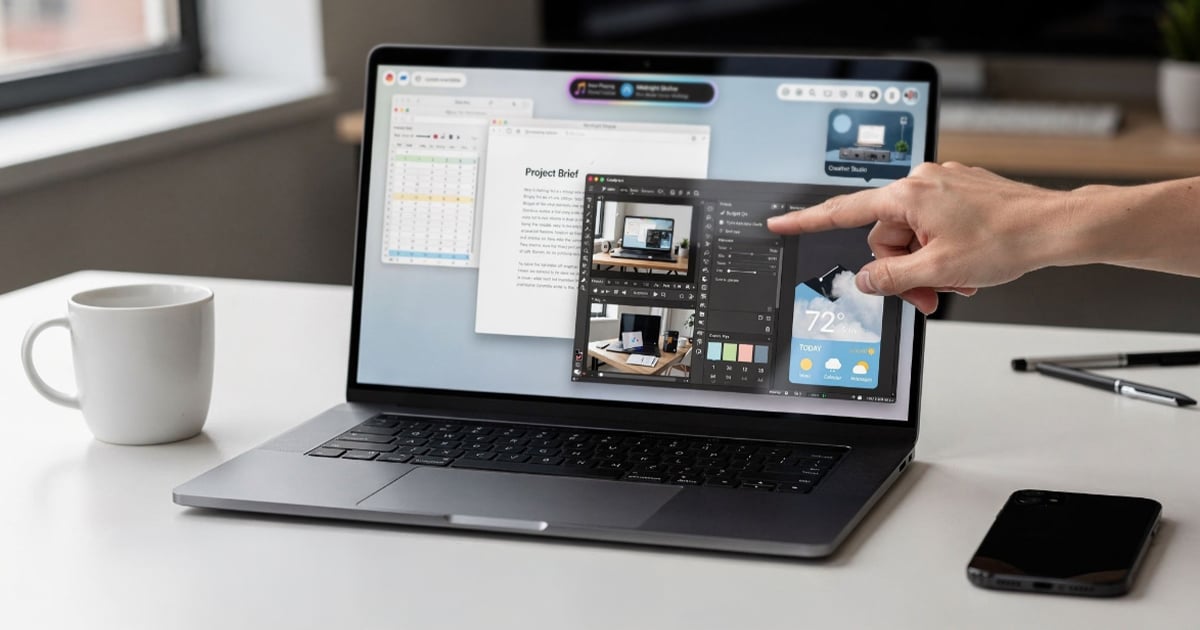
Apple is reportedly preparing to launch its first touchscreen-equipped Mac later this year with the M6 MacBook Pro. New details have emerged about the device’s expected features, including a Dynamic Island interface and a touch-optimized version of macOS that adapts between traditional input and touchscreen interaction.
Dynamic Island Coming to MacBook Pro
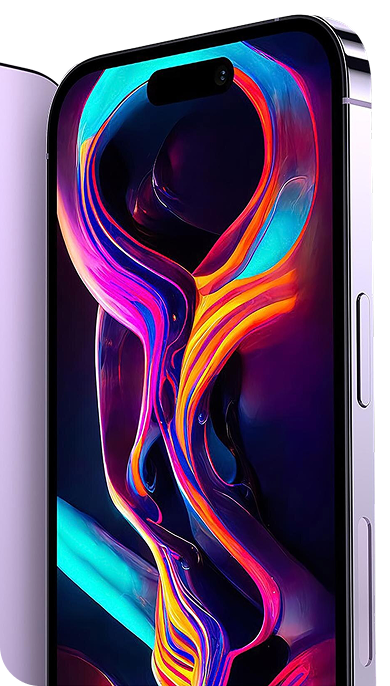
According to recent reports, Apple plans to bring the Dynamic Island feature from the iPhone to the M6 MacBook Pro. The implementation will reportedly center around a hole-punch camera cutout that is smaller than the pill-shaped notch found in current iPhones and significantly more compact than the existing notch on current MacBook Pro models.
The software interface is expected to blend the camera cutout seamlessly into the display by adding interactive Dynamic Island elements around it, similar to how the feature functions on iPhone models introduced in recent years.
Touch-Adaptive macOS Interface in Development
Reports indicate that macOS will receive substantial interface updates to support touch input while maintaining its traditional keyboard and trackpad-focused design. The operating system is expected to intelligently shift between input methods based on how users interact with it.
Context-Aware Touch Controls
When users reportedly touch a button or control, the interface is expected to display a new type of contextual menu that provides touch-optimized options. The system will allegedly determine which controls to show based on whether users are touching the screen or clicking with a trackpad.
The software is also expected to remember previous interactions and adjust the interface accordingly. For example, when a user taps an item in the menu bar, the controls may enlarge to be more easily selectable with a finger.
Familiar Touch Gestures
The M6 MacBook Pro is expected to support standard touch gestures familiar to iOS and iPadOS users, including fast scrolling and pinch-to-zoom functionality for images and PDF documents. The emoji picker is also reportedly receiving a touch-optimized interface.
Touch as a Complement, Not a Replacement
Reports emphasize that Apple is not repositioning the Mac as a touch-first device. Rather, touchscreen support is expected to complement the primary input methods of keyboard and trackpad that have defined the Mac experience. This approach aligns with Apple’s historical resistance to touchscreen Macs and suggests the company views this as an additive feature rather than a fundamental platform shift.
Expected Launch Timeline
While new MacBook Pro models with M5 Pro and M5 Max chips are expected to launch in early March 2026, the M6 MacBook Pro with touchscreen and OLED display is reportedly planned for later in the year. An October or November 2026 release timeframe is considered likely based on Apple’s historical MacBook Pro update cycles.
FAQ
Q: Will existing MacBook Pro models receive touch support through a software update?
A: No, touch support requires new hardware. Only the M6 MacBook Pro models with touchscreen displays are expected to support this functionality.
Q: When is the M6 MacBook Pro expected to launch?
A: Reports suggest an October or November 2026 release, though Apple has not confirmed any details about the device or its launch timeline.
Q: Will the touchscreen MacBook Pro replace the trackpad?
A: No, reports indicate that touch is being added as a complementary input method. The keyboard and trackpad will remain the primary ways to interact with macOS.
Q: Which MacBook Pro sizes will reportedly offer touchscreen support?
A: Current reports have not specified which screen sizes will receive touch support, though Apple typically updates both 14-inch and 16-inch MacBook Pro models simultaneously.
MacReview Verdict
The reported M6 MacBook Pro represents a potentially significant shift in Apple’s approach to Mac hardware and software design. For years, the company maintained that touchscreens were not appropriate for laptop computers, citing ergonomic concerns and the superiority of trackpad-based navigation. This apparent reversal suggests Apple has found a way to integrate touch that aligns with its design philosophy, treating it as an optional enhancement rather than a fundamental change to how users interact with macOS.
The reported Dynamic Island implementation and context-aware interface changes indicate Apple is approaching touchscreen support thoughtfully, attempting to avoid the pitfalls that have limited the success of touch-enabled laptops from other manufacturers. By maintaining keyboard and trackpad as primary input methods while adding touch as a contextual option, Apple may have identified a middle ground that enhances the Mac experience without compromising what makes it distinct from the iPad.
If these reports prove accurate, the late 2026 launch timeframe gives Apple substantial time to refine the software experience and ensure touch integration feels native to macOS rather than bolted on. However, until Apple officially announces the device, all specifications, features, and release dates remain unconfirmed.