New details have emerged about Apple’s long-rumored foldable iPhone, reportedly slated for a fall 2026 release alongside the iPhone 18 Pro lineup. According to analyst Jeff Pu, the device will feature Touch ID rather than Face ID, dual displays, and a hybrid aluminum-titanium construction. These specifications offer the clearest picture yet of how Apple may approach its first foldable smartphone.
Expected Hardware Specifications
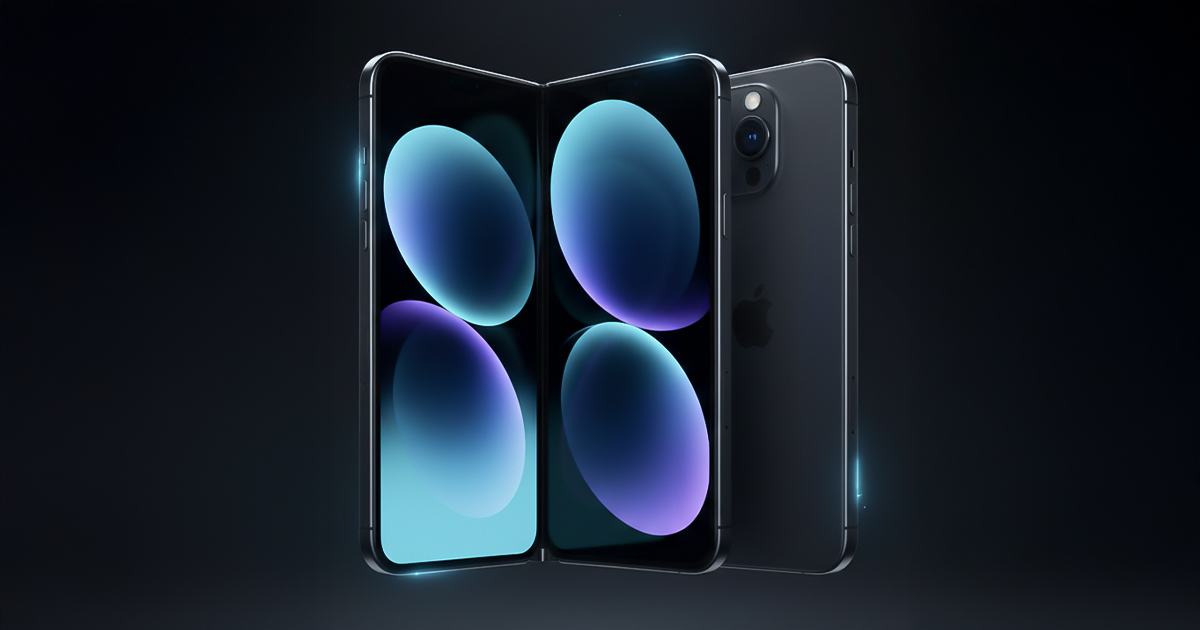
Pu’s investor note, citing GF Securities data, outlines technical specifications for three models expected in September 2026: the iPhone 18 Pro, iPhone 18 Pro Max, and what is being called the iPhone Fold. The foldable model is expected to feature a 7.8-inch internal display and a 5.3-inch external display, both measurements that suggest a design optimized for width rather than height when unfolded.
The device is reportedly planned to use a combination of titanium and aluminum in its casing, a departure from the all-aluminum or all-titanium construction used in current iPhone models. This hybrid approach may reflect the structural demands of a foldable form factor.
Touch ID Instead of Face ID
One of the most notable departures from Apple’s recent design language is the expected reliance on Touch ID for biometric authentication. According to the report, the iPhone Fold will not include Face ID or the Dynamic Island feature that has become standard on Pro models since the iPhone 14 Pro. This decision likely stems from the challenges of integrating TrueDepth camera hardware into a foldable display design.
The return of Touch ID would mark a significant shift for Apple, which phased out the fingerprint sensor from flagship iPhones starting with the iPhone X in 2017. Whether this implementation would use an in-display sensor or a power button integration remains unconfirmed.
Camera and Processing Power
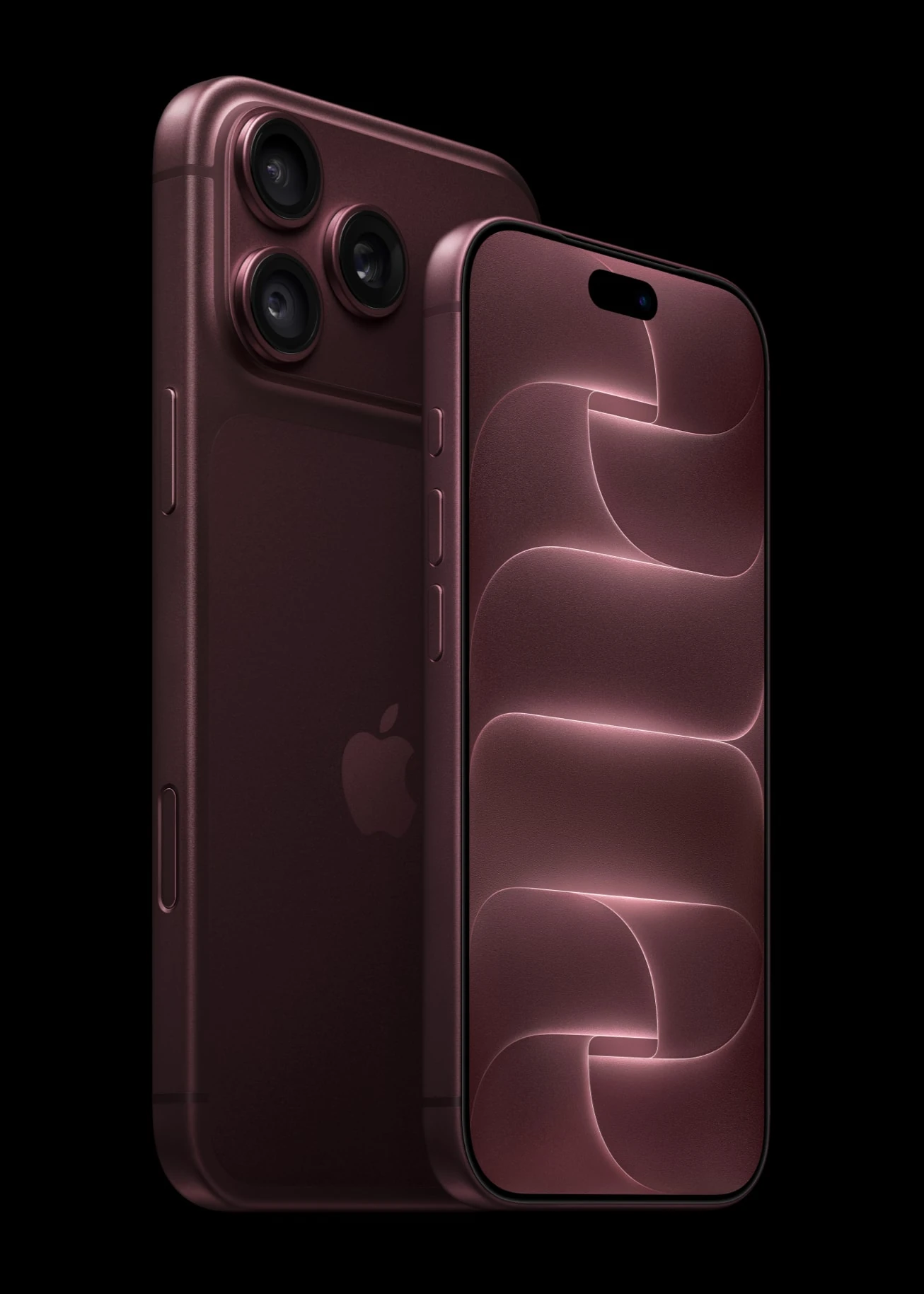
The iPhone Fold is expected to feature a dual-camera system with 48MP sensors, using a 7-element main lens and a 6-element secondary lens. This represents a step down from the triple-camera systems found on the iPhone 18 Pro models, which are reportedly planned to include a periscope telephoto lens.
For the front-facing camera, the device is expected to include 18MP sensors on both the folded exterior and unfolded interior displays. This would provide flexibility for video calls and selfies regardless of which screen is in use.
All three models in the fall 2026 lineup are expected to use Apple’s A20 Pro chip, manufactured on TSMC’s N2 process node with WMCM packaging. Each model is also expected to include 12GB of LPDDR5 memory, a significant increase from current iPhone memory configurations and one designed to support more demanding on-device AI processing.
Market Context and iPhone 18 Lineup Strategy
Pu’s note indicates that Apple is positioning the fall 2026 lineup to gain market share even as the broader smartphone market contracts. Global smartphone shipments are projected to decline by 4% in 2026, primarily due to rising memory costs and weak demand in the Android low-to-mid range segment.
Despite this headwind, Apple is expected to ship approximately 250 million iPhones in 2026, representing a 2% year-over-year increase. This would raise Apple’s market share to 21%, up from an estimated 20% in 2025 and 19% in 2024.
The fall 2026 launch is reportedly planned to include only three models: the iPhone 18 Pro, iPhone 18 Pro Max, and the iPhone Fold. A base iPhone 18 model is expected to arrive in spring 2027, alongside variants referred to as the iPhone 18e and iPhone Air 2. This staggered release strategy would represent a departure from Apple’s traditional fall launch cadence for all new iPhone models.
AI Integration and Silicon Advances
The move to N2 silicon, WMCM packaging, and 12GB of memory across the iPhone 18 lineup is reportedly tied to Apple’s AI development roadmap. These hardware upgrades are expected to enable more sophisticated on-device AI workloads, including a substantially enhanced version of Siri that Apple has indicated will roll out in 2026.
Apple has confirmed that Google’s Gemini will power certain new Siri features, marking a significant partnership between the two companies. The financial terms of this arrangement have not been disclosed, though reports suggest Apple will pay billions for access to Gemini’s capabilities.
Historical Context for Apple’s Foldable Ambitions
Apple has historically been cautious about entering new form factor categories, preferring to wait until technology matures and user experience challenges can be adequately addressed. The company filed patents related to foldable display technology as early as 2011, but has not yet released a foldable product while competitors including Samsung, Motorola, and others have offered foldable smartphones for several years.
The decision to reportedly forgo Face ID on the iPhone Fold suggests Apple may still be working through technical compromises inherent to foldable designs. Display durability, crease visibility, and hinge reliability remain ongoing challenges across the foldable smartphone category.
FAQ
Q: When is the iPhone Fold expected to be released?
A: According to analyst reports, the iPhone Fold is expected to launch in September 2026 alongside the iPhone 18 Pro and iPhone 18 Pro Max models.
Q: Will the iPhone Fold support Face ID?
A: The device is reportedly expected to use Touch ID instead of Face ID, likely due to the technical challenges of integrating TrueDepth camera hardware into a foldable display.
Q: What screen sizes will the iPhone Fold have?
A: The iPhone Fold is expected to feature a 7.8-inch internal display and a 5.3-inch external display, creating a design that is wider than it is tall when unfolded.
Q: How does the iPhone Fold’s camera system compare to the iPhone 18 Pro?
A: The iPhone Fold is expected to have a dual 48MP camera system, while the iPhone 18 Pro models are reportedly planned to include a triple-camera system with a periscope telephoto lens.
MacReview Verdict
The reported specifications for the iPhone Fold represent a measured approach to foldable smartphone design, with Apple apparently prioritizing practicality over feature parity with its flagship Pro models. The decision to use Touch ID rather than Face ID is likely a pragmatic response to technical constraints, though it may feel like a step backward for users accustomed to face-based authentication. The dual-display configuration and hybrid casing materials suggest Apple is working to balance durability with the fundamental challenges of foldable hardware. If these specifications prove accurate, the iPhone Fold would represent a cautious first entry into the foldable category rather than a reimagining of what a premium smartphone should be. Whether this approach resonates with consumers will depend heavily on execution, pricing, and how well Apple addresses the durability concerns that have plagued competitor devices. As always with Apple’s unannounced products, these details remain unconfirmed and subject to change before any official launch.