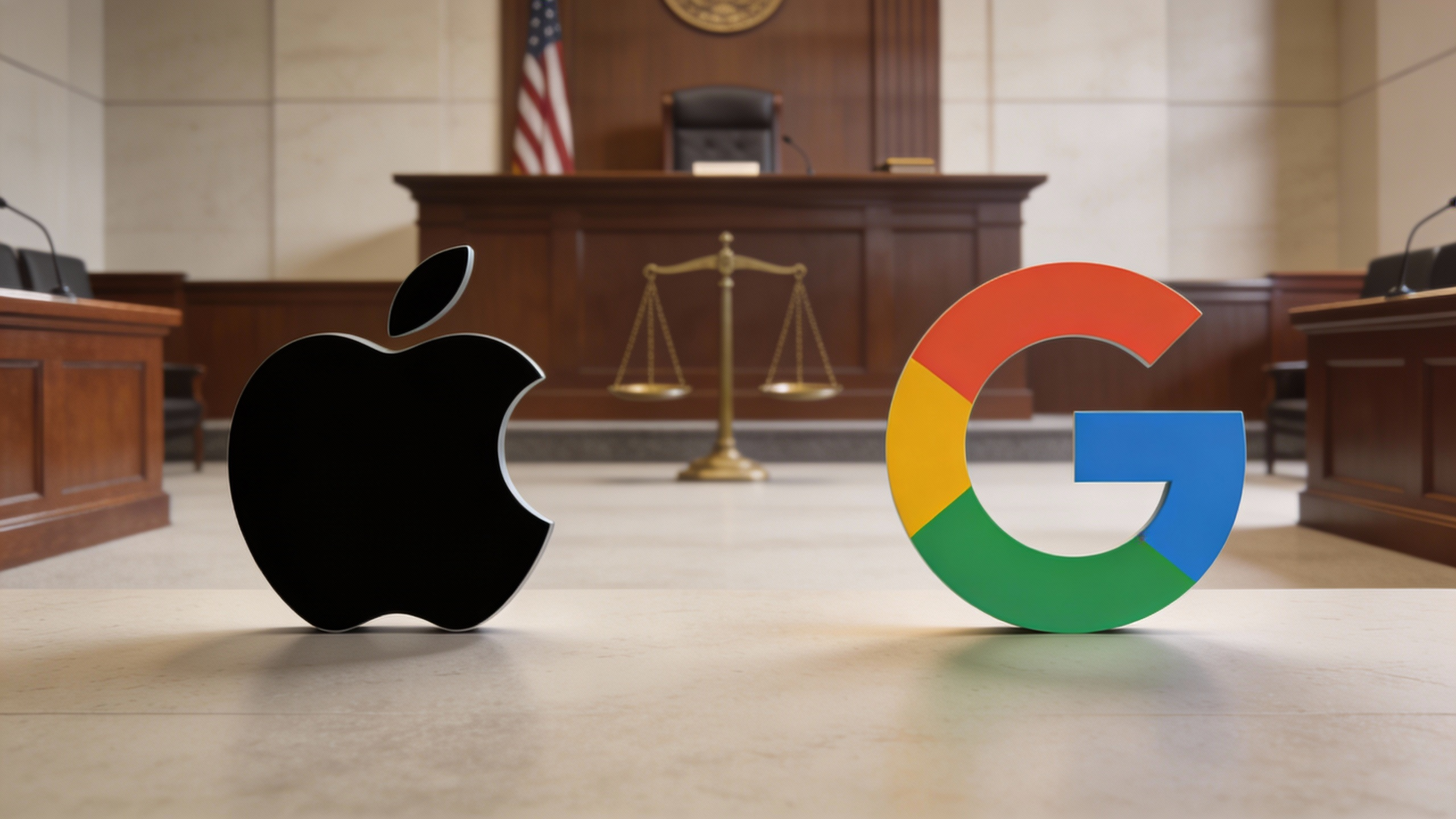
The Department of Justice and multiple states are challenging a federal court decision that allowed Google to continue paying Apple for default search engine placement in Safari. The appeal could renew scrutiny on one of Apple’s most lucrative business arrangements, which reportedly generates billions of dollars annually for the company.
Understanding the Original Antitrust Ruling
In August 2024, Judge Amit Mehta determined that Google had illegally maintained its monopoly in the U.S. online search market. The ruling specifically identified Google’s exclusionary agreements with companies like Apple as creating significant anticompetitive effects. However, the subsequent remedies phase, which lasted approximately one year, resulted in a decision that largely preserved the existing relationship between Apple and Google.
Last September, Judge Mehta issued a final opinion that was notably favorable to Google’s ongoing partnerships. Rather than imposing a blanket ban on revenue-sharing agreements, the court established specific parameters designed to increase competition while allowing existing commercial relationships to continue.
What the Current Rules Allow
Under the September ruling, Apple’s search partnership with Google can continue with several provisions in place. Google may still pay Apple for default search engine status in Safari, provided that the browser allows users to promote other search engines, set different defaults by operating system version or private browsing mode, and change the default setting on an annual basis.
The court rejected mandatory choice screens, finding insufficient evidence that such interfaces improve search competition. This means Apple is not required to add new selection interfaces in Safari or iOS as a result of the ruling. Additionally, Apple retains freedom to promote or integrate non-Google assistants or chatbots even while Google Search remains the default option.
Restrictions Imposed on the Partnership
The ruling does impose meaningful limitations on Google’s agreements with Apple. Exclusivity arrangements are prohibited, including for generative AI products or features. Google cannot require Apple to make Google the only search option, block Apple from featuring competitors, or tie one Google service to another in bundled deals.
Google is also barred from offering exclusivity-adjacent incentives, such as higher revenue-share tiers or bonuses in exchange for exclusive placement or app bundling. Perhaps most significantly, Google cannot condition revenue sharing on keeping any Google service as the default for more than one year, creating annual opportunities for competitors to offer Apple alternative arrangements.
The New Appeal and What It Means
Court documents filed in early February reveal that the Department of Justice, along with fourteen states including California, Texas, Florida, and Michigan, have formally appealed the decision to the D.C. Circuit Court of Appeals. This cross-appeal follows Google’s own appeal of the ruling filed in January.
The specific aspects of the ruling that the DOJ and states intend to challenge have not been disclosed, but legal observers expect them to target provisions that allowed Google’s payments to Apple to continue. The government coalition likely aims to secure more restrictive remedies than those imposed by Judge Mehta.
Apple’s Position Throughout the Case
During the remedies phase hearings, Apple SVP of Services Eddy Cue testified that advances in artificial intelligence could eventually make traditional search engines less relevant. Cue suggested that AI developments might render the exclusive default search agreement obsolete within the next decade, potentially diminishing the arrangement’s competitive significance.
Apple has not publicly commented on the cross-appeal and is expected to remain silent unless the appeals process directly threatens the modified terms of its Google partnership. The company has historically emphasized user choice while defending the commercial relationship as beneficial for Safari users.
Timeline and Next Steps
Google has requested that the federal court stay portions of the ruling while the D.C. Circuit Court of Appeals reviews the case. The appeals process is expected to extend well into late 2026 or potentially beyond, meaning immediate changes to Apple’s search engine arrangements are unlikely.
The appellate court will need to review arguments from all parties, including Google’s challenge to the original antitrust finding and the government’s objections to the limited remedies imposed. Any decision from the appeals court could be further appealed, potentially extending the legal process for years.
FAQ
Q: Will Apple need to change Safari’s default search engine immediately?
A: No. The appeal process means existing arrangements can continue while the case is under review. Changes, if any, would only take effect after appellate courts issue their decisions.
Q: How much does Google reportedly pay Apple for default search placement?
A: While Apple does not publicly disclose the specific amount, industry estimates have suggested the annual payments are in the billions of dollars, representing a significant portion of Apple’s services revenue.
Q: Can Apple users already choose a different default search engine?
A: Yes. Safari on iOS and macOS currently allows users to select alternative search engines including Bing, Yahoo, DuckDuckGo, and Ecosia through Settings, regardless of the default arrangement with Google.
MacReview Verdict
The DOJ’s cross-appeal introduces new uncertainty into one of Apple’s most valuable commercial partnerships. While the September ruling appeared to strike a balance between competition concerns and commercial reality, government prosecutors evidently believe stronger remedies are necessary to address Google’s monopoly power.
For Apple, the stakes are substantial. The revenue generated from Google’s payments contributes meaningfully to the company’s high-margin services business, and any prohibition on such arrangements would create pressure to develop alternative revenue sources or search technologies. However, given the lengthy appeals process ahead and the possibility of further legal challenges, the existing partnership structure appears likely to remain in place for the foreseeable future.
The outcome will ultimately depend on whether appellate judges agree with the DOJ’s position that Judge Mehta’s remedies were insufficient to restore competition in the search market. Until that determination is made, Safari users can expect Google to remain the default search option on Apple devices.