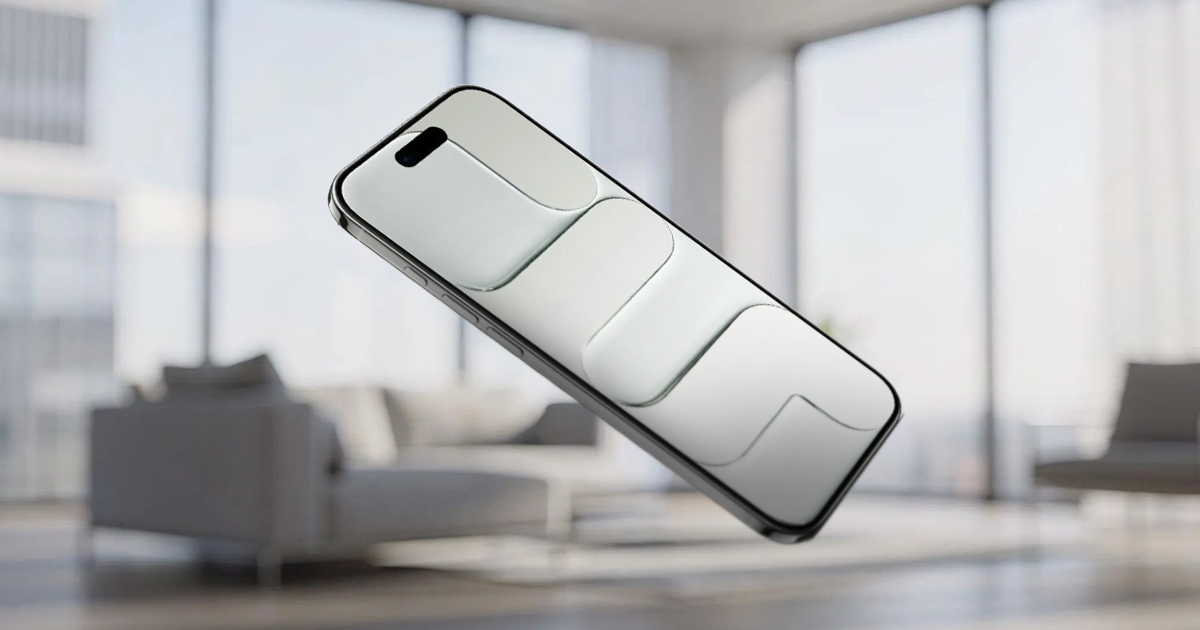
A viral video appearing to show a modified iPhone Air with a physical SIM card tray has sparked debate across tech communities. The modification, reportedly created by a Chinese electronics specialist, demonstrates an unexpected workaround for the device’s eSIM-only design, though questions remain about the authenticity of the mod.
The Modification Process
According to reports circulating on Chinese tech forums and social media platforms, the modification was created by someone identified as Huaqiangbei, a name that also refers to a Shenzhen district known for consumer electronics. The video originally posted on Douyin has since been shared across multiple platforms, including TikTok, where it has generated significant attention.
The modification reportedly involves removing Apple’s standard Taptic Engine and replacing it with a smaller, less capable vibration motor. This trade creates enough internal space to install a physical SIM card tray in the device’s bottom edge.
Technical Trade-Offs
The mod represents a significant compromise in user experience. Apple’s Taptic Engine provides precise haptic feedback for system interactions, notifications, and keyboard typing. Replacing it with an inferior motor would likely result in noticeably degraded vibration quality and reduced responsiveness.
The iPhone Air’s ultra-thin design presents particular challenges for internal modifications. Apple’s engineering team spent considerable effort optimizing component placement to achieve the device’s slim profile while maintaining structural integrity and thermal management.
Authenticity Questions
The video has generated skepticism among observers familiar with iPhone hardware. Some commenters suggest the device may be a clone designed to resemble the iPhone Air rather than an authentic Apple product that has been modified.
Several factors complicate verification. The Huaqiangbei electronics market has a long history of producing convincing iPhone replicas and undertaking complex hardware modifications. Without detailed teardown documentation or independent verification, determining whether the device is a genuine modified iPhone Air or a sophisticated replica remains difficult.
The eSIM-Only Design Choice
Apple’s decision to make the iPhone Air eSIM-only follows a pattern established with recent iPhone models in the United States market. The company views eSIM technology as offering advantages in device design, user convenience, and security.
Eliminating the physical SIM tray provides Apple with additional internal volume for battery capacity, improved water resistance seals, or thinner device profiles. However, the transition has created challenges in markets where carrier eSIM support remains limited or where users prefer the flexibility of physical SIM cards for international travel.
FAQ
Q: Does this modification void Apple’s warranty?
A: Any unauthorized hardware modification would void Apple’s warranty coverage. Additionally, such modifications could potentially damage the device or create safety concerns.
Q: Can the iPhone Air use physical SIM cards in any official capacity?
A: No. The iPhone Air is designed as an eSIM-only device and does not include official support for physical SIM cards. Apple has not announced plans to offer physical SIM versions of the device.
Q: Where can users who need physical SIM support find alternatives?
A: Users requiring physical SIM card support should consider other iPhone models that retain the SIM tray, or verify that their carrier provides robust eSIM support before purchasing an iPhone Air.
MacReview Verdict
While the viral video demonstrates technical creativity, the practicality and authenticity of this modification remain questionable. The trade-off of losing Apple’s precision Taptic Engine for physical SIM support seems poorly balanced, particularly given the growing availability of eSIM services worldwide.
For users genuinely concerned about eSIM-only design limitations, the more prudent approach involves selecting an iPhone model that officially supports physical SIM cards or ensuring carrier compatibility before purchase. Unauthorized hardware modifications introduce reliability concerns, eliminate warranty coverage, and may create unforeseen technical issues.
The video serves primarily as a reminder of the passionate modification community surrounding Apple products, even if the practical value of this particular mod appears limited for most users.