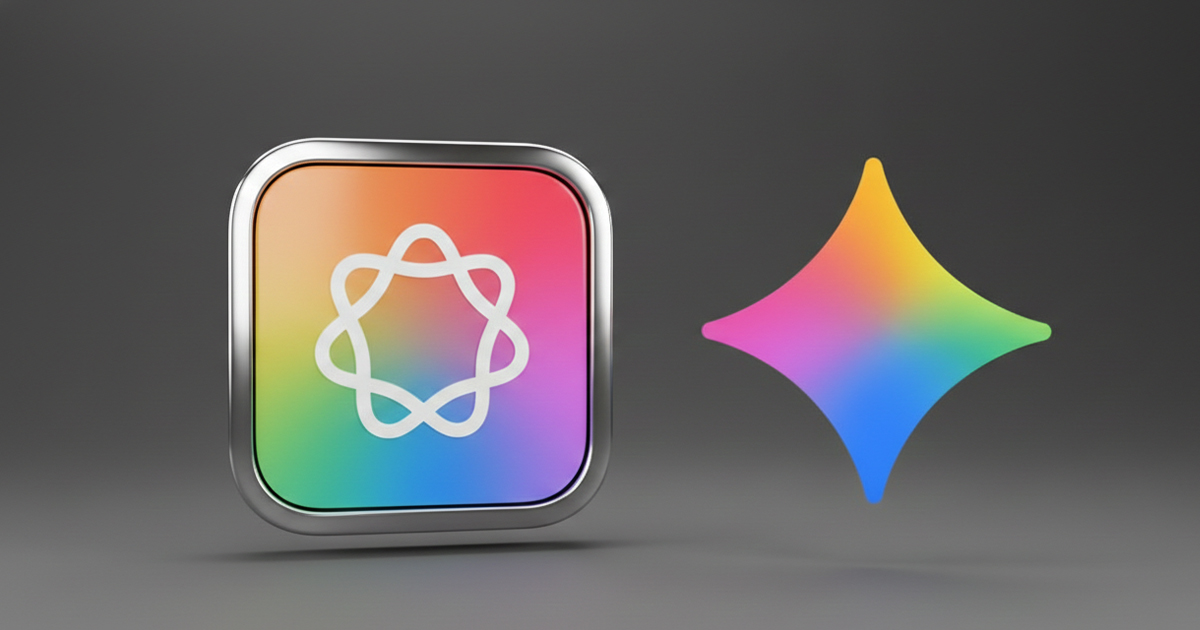
Apple is reportedly preparing to integrate Google’s Gemini AI into its ecosystem with significant customizations that would distance the partnership from direct Google branding. New details suggest the company plans to fine-tune Gemini independently and keep Google’s name off Siri interfaces, marking a careful approach to third-party AI integration that aligns with Apple’s historical emphasis on controlling user experience.
Independent Fine-Tuning Strategy
According to recent reports, Apple intends to fine-tune Google’s Gemini model independently rather than using it as delivered. This approach would allow Apple to customize the AI’s behavior, responses, and integration points to match its own design philosophy and privacy standards. The strategy suggests Apple is treating Gemini as a foundational technology rather than a turnkey solution, similar to how the company has historically adapted third-party components for its hardware.
This level of customization would likely involve training the model on Apple-specific datasets and adjusting its parameters to align with the company’s guidelines for user interaction. While the exact scope of these modifications remains unclear, independent fine-tuning typically allows for greater control over output quality, bias mitigation, and feature-specific optimization.
No Google Branding in Siri
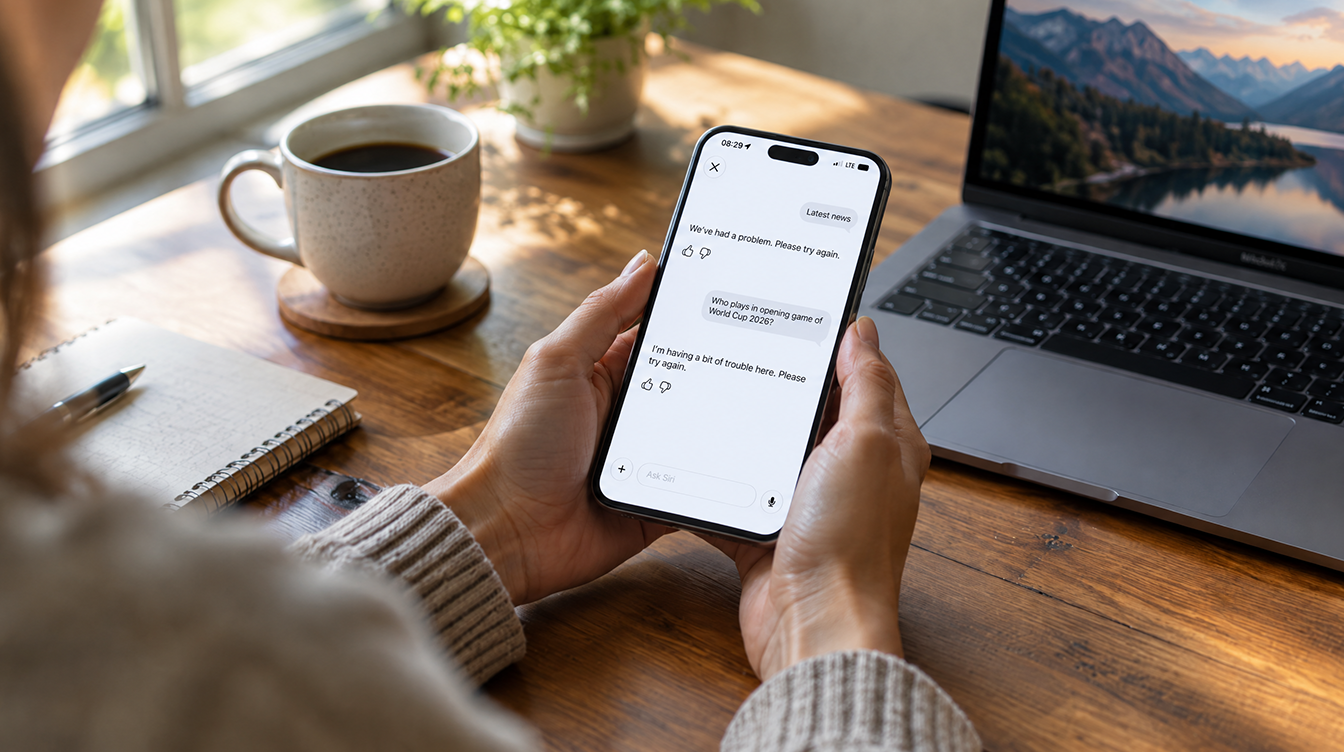
Perhaps most notably, the reported plan calls for Gemini integration without visible Google branding in Siri interfaces. This decision reflects Apple’s consistent preference for presenting a unified brand experience across its products. Users would interact with AI-enhanced Siri features without necessarily knowing that Google’s technology powers certain capabilities behind the scenes.
This approach mirrors Apple’s existing partnerships where third-party technology operates invisibly to end users. The company has long licensed components and services from various vendors while maintaining tight control over how these elements appear in user-facing contexts.
Strategic Implications
The reported partnership structure raises several strategic considerations. By fine-tuning Gemini independently and removing Google branding, Apple would maintain tighter control over its AI narrative while potentially benefiting from Google’s advanced language model development. This arrangement could allow Apple to accelerate its AI capabilities without ceding brand identity or user relationships to a competitor.
The approach also suggests Apple is prioritizing speed-to-market for enhanced AI features while building its own long-term capabilities. Industry observers have noted that Apple’s in-house AI development, while sophisticated in specific areas, has lagged behind competitors in large language model deployment. A customized Gemini integration could serve as a bridge solution.
Privacy and Data Handling
Questions remain about how this partnership would handle user data, particularly given Apple’s strong privacy positioning. The company has consistently emphasized on-device processing and minimal data collection as competitive differentiators. Any Gemini integration would likely need to conform to these principles, potentially requiring architectural modifications to Google’s standard implementation.
Apple would presumably need to ensure that query processing, when handled by Gemini, meets its privacy standards. This could involve on-device preprocessing, differential privacy techniques, or other safeguards that prevent identifiable user data from reaching Google’s servers. The technical implementation of these protections would be critical to maintaining consistency with Apple’s existing privacy commitments.
Timeline and Rollout
No official timeline has been confirmed for when Gemini integration might appear in Apple products. Given the complexity of fine-tuning a large language model and integrating it across Apple’s ecosystem, a phased rollout seems likely if the partnership proceeds. The company could initially limit Gemini-powered features to specific use cases or regions while expanding availability over time.
Apple typically announces major platform features at its Worldwide Developers Conference in June, with public releases following in the fall. However, AI capabilities have proven challenging to predict on Apple’s typical release schedule, as evidenced by staggered rollouts of previous machine learning features.
FAQ
Q: Will users see any mention of Google when using Siri features powered by Gemini?
A: According to current reports, Apple plans to implement Gemini without Google branding visible in Siri interfaces, though this has not been officially confirmed.
Q: How would this partnership affect Apple’s own AI development?
A: The partnership would likely serve as a complementary capability while Apple continues developing its proprietary AI technologies. Independent fine-tuning suggests Apple is using Gemini as a foundation rather than replacing its own research efforts.
Q: When might Gemini integration appear in Apple products?
A: No official timeline has been announced. If the partnership proceeds, features could potentially debut in a future iOS or macOS update, though timing remains speculative.
MacReview Verdict
The reported structure of Apple’s potential Gemini partnership demonstrates the company’s characteristic approach to third-party integration: adopt useful technology while maintaining strict control over implementation and presentation. Independent fine-tuning and the absence of Google branding would allow Apple to enhance Siri’s capabilities without compromising its brand identity or user experience standards.
However, significant questions remain about privacy implementation, performance compared to fully native solutions, and whether this represents a temporary measure or a longer-term strategic direction. Apple has historically preferred to build core technologies in-house when possible, suggesting any Gemini partnership might serve as an interim solution while the company continues developing proprietary alternatives.
For users, the practical impact would depend entirely on execution. If Apple successfully integrates Gemini with robust privacy protections and seamless functionality, the underlying technology source becomes largely irrelevant. The real test will be whether AI-enhanced Siri features meaningfully improve over current capabilities while maintaining the reliability and privacy users expect from Apple products.