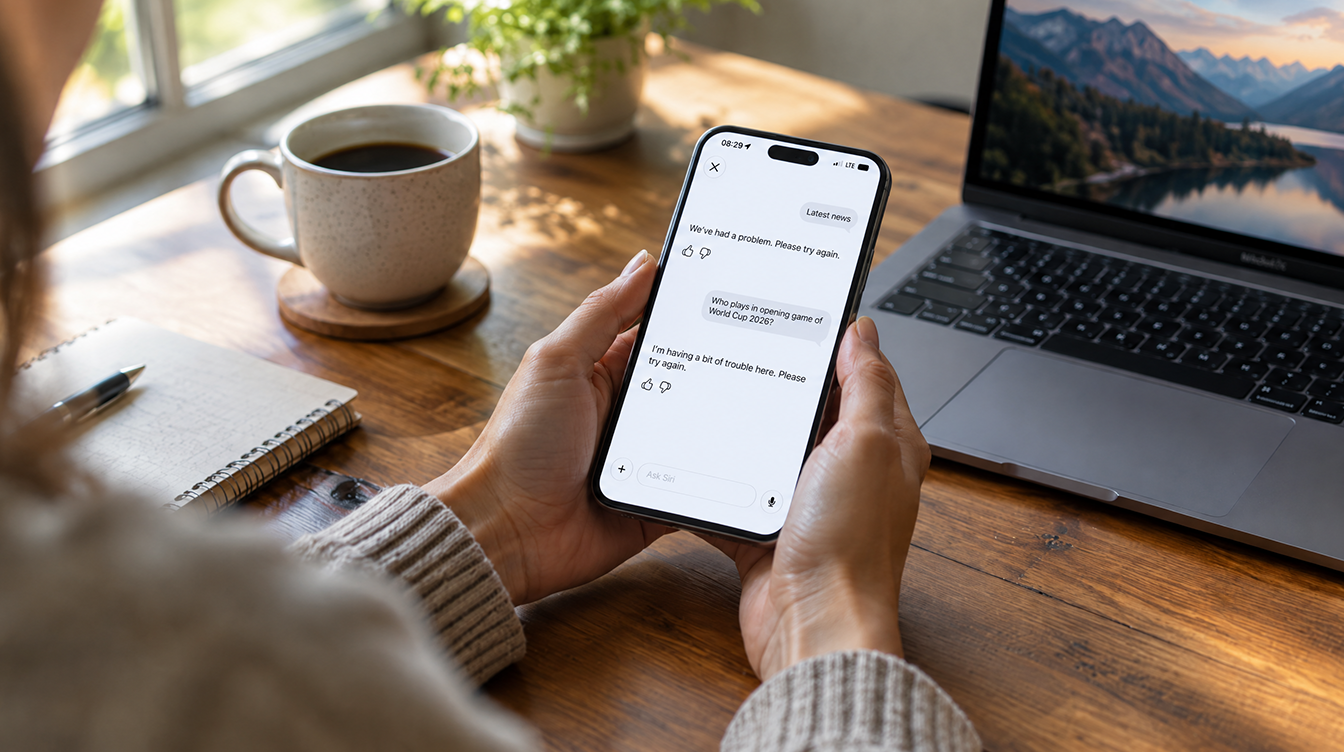
Apple’s redesigned Siri powered by Apple Intelligence is arriving over a year later than originally anticipated, but the extended timeline may benefit more users than initially expected. The delay has allowed a significantly larger portion of the iPhone user base to acquire compatible devices, potentially transforming what could have been a limited launch into a more meaningful software update.
Why Apple Intelligence Siri Is Running Behind Schedule
Apple has reportedly faced challenges developing proprietary AI models for Apple Intelligence features. The company’s commitment to user privacy limits the training data available for machine learning systems, creating technical obstacles that competitors with more permissive data collection practices do not encounter. Financial considerations have also reportedly influenced the pace of development, as building and maintaining large language models requires substantial infrastructure investment.
Apple recently announced a partnership with Google to integrate Gemini models into Private Cloud Compute servers for more intensive Apple Intelligence tasks. This arrangement is expected to power the advanced Siri capabilities demonstrated at WWDC 2024, though local on-device models will continue handling certain functions.
Device Compatibility Has Expanded Significantly
When Apple Intelligence was announced at WWDC 2024, compatibility required an A17 Pro chip or later. This limited support to just two devices: the iPhone 15 Pro and iPhone 15 Pro Max. The feature set launched months later with the same hardware restrictions, meaning only users with high-end 2023 iPhone models could access Apple Intelligence.
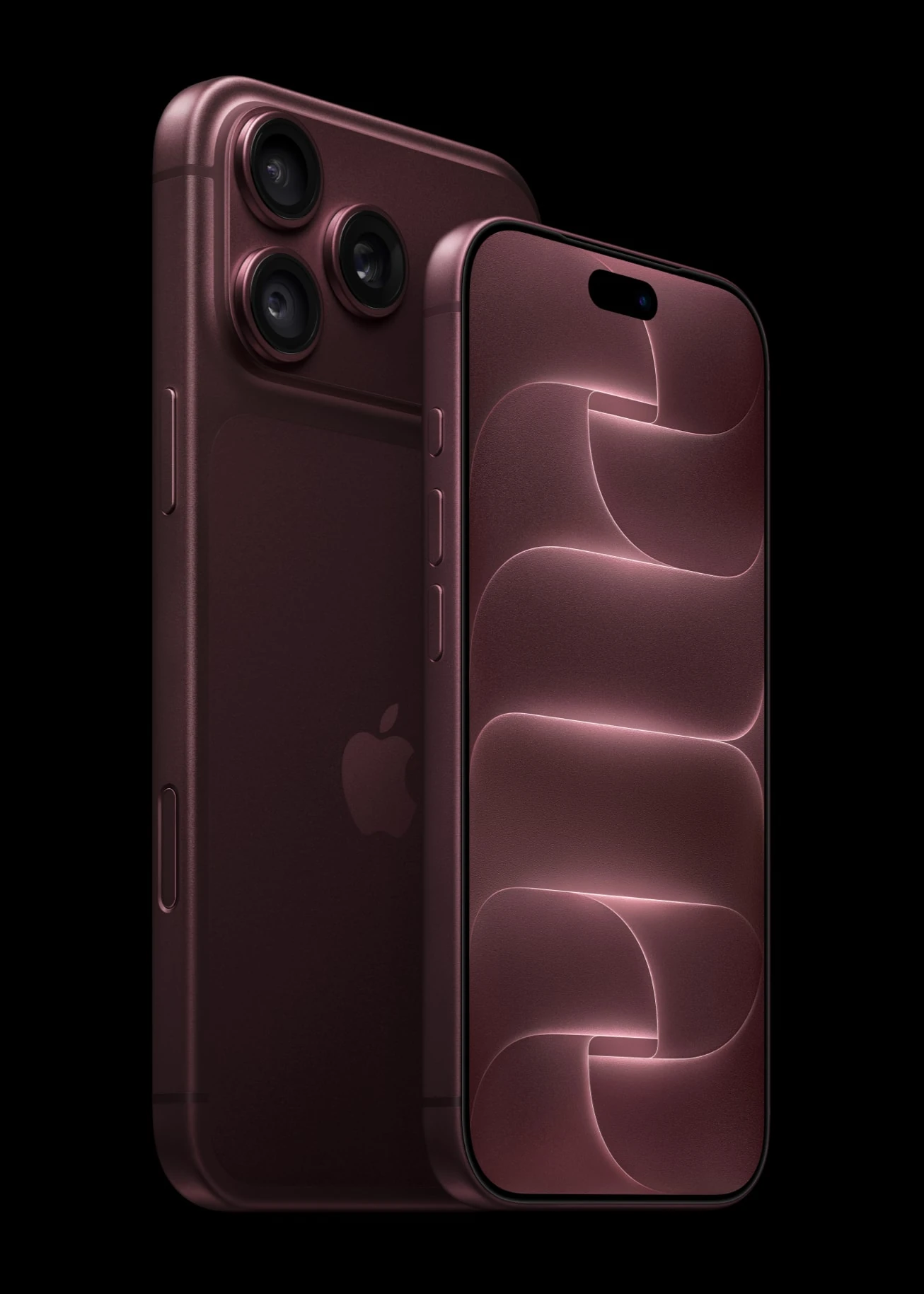
The extended development timeline means compatibility now extends across 11 iPhone models. All iPhone 16 and iPhone 17 variants include Apple Intelligence support as standard, and these devices have been available for purchase throughout 2024 and 2025. This represents a substantially larger installed base compared to the initial two-device limitation.
From Premium Feature to Widespread Availability
Apple Intelligence initially appeared positioned as a distinguishing feature for the iPhone 16 series at launch. With the delay pushing core Siri improvements into 2026, the technology will instead arrive as a software update for a device lineup that now represents a meaningful portion of active iPhones in the market.
Users who purchased any iPhone 15 Pro, iPhone 16, or iPhone 17 model will gain access to the enhanced Siri capabilities without needing to upgrade hardware specifically for AI features. This shift transforms Apple Intelligence from a selling point for new purchases into added functionality for existing customers.
What to Expect From the Rollout
Apple Intelligence-powered Siri features are expected to begin rolling out with iOS 26.4 in spring 2026, with additional capabilities arriving in iOS 27 later in the year. While Google Gemini integration will reportedly handle complex requests through Private Cloud Compute, local models will continue processing tasks that can be completed on-device.
Apple is likely to maintain device requirements that ensure compatibility with on-device AI models, even for features that primarily utilize cloud computing. This approach would preserve the consistent user experience across Apple Intelligence functions while maintaining privacy standards for processing that occurs locally.
MacReview Verdict
The delay in delivering redesigned Siri functionality represents a significant departure from Apple’s original WWDC 2024 timeline, but the expanded device compatibility creates a more favorable launch scenario. Rather than being limited to a small subset of premium devices, enhanced Siri capabilities will reach users across multiple iPhone generations when they finally arrive.
Whether the extended development time translates to a more polished and capable product remains to be seen. The partnership with Google for cloud-based processing suggests Apple has adjusted its strategy to deliver features that would otherwise require additional years of internal development. For users who already own compatible devices, the wait will be justified only if the delivered experience represents a meaningful improvement over the current Siri implementation.
The broader device compatibility does remove one potential criticism: that Apple Intelligence would remain an exclusive feature driving upgrade cycles rather than improving the experience for existing customers. As spring 2026 approaches, attention will shift from availability questions to whether the technology delivers on the capabilities Apple previewed nearly two years earlier.